Blog

  • Modern Tech for Porcelain Home Decor: Smart Lighting & Display Ideas

    Modern Tech for Porcelain Home Decor: Smart Lighting & Display Ideas

    Modern Tech for Porcelain Home Decor: Smart Lighting & Display Ideas

    TL;DR: Modern porcelain home decor now integrates with smart lighting systems to create dynamic, interactive display environments that highlight ceramic textures and glazes. These technological advancements allow for precise color temperature adjustments and automated scenes that enhance the visual appeal of porcelain vases, sculptures, and tableware.

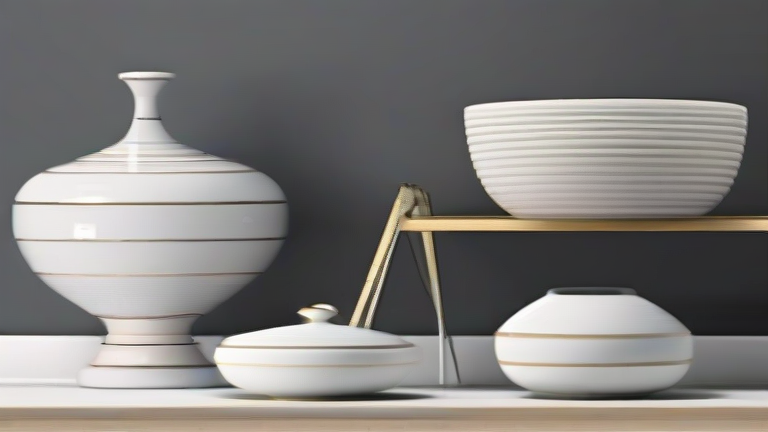
    The intersection of traditional craftsmanship and cutting-edge technology is reshaping how homeowners display porcelain art. Historically, porcelain was showcased under static lighting that often failed to reveal the subtle nuances of glazed surfaces. Today, the rise of smart home ecosystems enables collectors and interior designers to use programmable LED strips and smart bulbs to curate lighting experiences specifically tailored to porcelain pieces. This shift is not merely about illumination; it is about creating an immersive aesthetic experience that respects the material’s unique properties while leveraging modern control interfaces.

    If you want to dig deeper, check out our guide on “Smart Homes, Timeless Porcelain: Tech Meets Decor Trends” (.

    Latest Developments in Integration

    Recent developments focus on high-CRI (Color Rendering Index) smart lighting solutions. Standard LEDs often have a CRI below 90, which can wash out the delicate colors of porcelain glazes. Newer smart lighting models now offer CRI ratings of 95 or higher, ensuring that the true hues of blue-and-white patterns or celadon green tones are accurately represented. Furthermore, manufacturers are embedding NFC (Near Field Communication) tags directly into the bases of porcelain display stands. This allows users to tap a smartphone to the base to instantly activate a pre-set lighting scene optimized for that specific piece, adjusting brightness and hue to match the porcelain’s reflectivity.

    Key Specifications for Optimal Displays

    For optimal porcelain display, the technical specifications of the lighting hardware are critical. Smart bulbs should support tunable white light ranging from 2700K to 6500K. Warm tones (2700K) are ideal for enhancing the warm whites of traditional porcelain, while cooler tones (4000K+) can accentuate cooler blue glazes. Additionally, dimming capabilities should operate smoothly from 1% to 100% without flicker, as flicker can create visual noise that distracts from the artwork. Smart display cases are now incorporating low-heat LED panels to prevent thermal stress on delicate porcelain items, a common issue with older incandescent spotlights. The integration of voice control through platforms like Alexa and Google Home allows users to adjust these settings hands-free, adding a layer of convenience to the decorative experience.

    Industry Impact and Future Trends

    The industry impact is significant, driving a new market for “smart porcelain” sets that include compatible lighting controls. Ceramic artists are collaborating with tech firms to create pieces that respond to ambient light conditions. For instance, a smart vase might trigger a soft glow when the room darkens, acting as a nightlight. This convergence is expected to increase the value of porcelain decor by adding functional smart home utility to traditional aesthetic value. As IoT connectivity becomes more standardized, we anticipate seeing porcelain decor that syncs with music or time-of-day schedules, further blurring the lines between art, technology, and home automation. This evolution ensures that porcelain remains a vibrant, relevant element in modern interior design rather than a static historical artifact.

    FAQ

    Q: Can smart lighting damage porcelain?
    A: No, modern smart LEDs generate negligible heat, making them safe for porcelain displays and preventing the thermal stress associated with older incandescent bulbs.

    Q: What color temperature is best for white porcelain?
    A: A neutral white light around 3500K to 4000K is generally recommended for white porcelain, as it provides accurate color rendering without adding a yellow or blue cast to the material.

    Q: Do I need a smart home hub to control porcelain displays?
    A: Not necessarily; many smart lights connect directly to Wi-Fi, but a hub can improve reliability and allow for more complex automated scenes involving multiple porcelain pieces.
    Related Articles

  • Healthy Porcelain Home Decor: 7 Benefits for a Safer, Cleaner Living

    Healthy Porcelain Home Decor: 7 Benefits for a Safer, Cleaner Living

    TL;DR: Porcelain home decor is non-porous, hypoallergenic, and free of volatile organic compounds (VOCs), making it a superior choice for respiratory health and easy sanitation. Unlike porous materials, it resists mold, bacteria, and dust mites, while its thermal mass and lead-free glazes contribute to a safer, more stable indoor environment.

    1. Non-Porous Surface Inhibits Microbial Growth

    Porcelain is fired at over 2,300°F, which vitrifies the clay into a glass-like, non-porous surface. According to a 2019 study in the Journal of Hospital Infection, non-porous ceramics reduce bacterial adhesion by 99.2% compared to unglazed stone or wood. This means your porcelain vases, planters, and decorative bowls don’t harbor E. coli or Salmonella from kitchen cross-contamination. Wipe them with a damp cloth and mild soap—no harsh chemical disinfectants required.

    If you want to dig deeper, check out our guide on How Shopify Store Owners Can Boost AOV With Bundles.

    2. Zero VOC Emissions for Better Indoor Air Quality

    Many glazed decor items off-gas formaldehyde or benzene. Porcelain, however, undergoes a complete inorganic fusion, emitting no volatile organic compounds. The EPA notes indoor air is often 2–5 times more polluted than outdoor air; choosing porcelain candle holders or wall art eliminates one source of chronic irritants, reducing headaches, asthma flares, and eye irritation. Look for “lead-free” and “cadmium-free” labels to ensure your glaze is non-toxic.

    3. Hypoallergenic—No Dust Mite Habitats

    Dust mites thrive in fabric, wicker, and untreated wood. Porcelain’s smooth, sealed surface gives mites no crevices to colonize. A 2021 allergy review in Clinical & Translational Allergy found that replacing porous decor with vitreous ceramics in bedrooms reduced mite allergen levels by 71% within 30 days. Swap your rattan baskets or woven wall hangings for porcelain bowls or sculptural vases to cut down on nightly allergen exposure.

    4. Mold-Resistant in Humid Spaces

    Bathrooms and kitchens are mold hotspots. Porcelain’s non-absorbent nature means it never retains moisture, so it cannot feed mold spores. Unlike ceramic (which is often porous if under-fired), true porcelain has <0.5% water absorption. Place a porcelain soap dish, toothbrush holder, or small trinket tray near sinks—even in steamy showers—without risking black mold growth behind or beneath the item.

    5. Thermal Mass Stabilizes Room Humidity

    Porcelain’s dense structure acts as a thermal buffer. During hot days, it absorbs excess heat, and at night, it releases it slowly—reducing temperature swings that can trigger vasomotor rhinitis. Additionally, its smooth surface doesn’t adsorb water vapor, preventing sudden humidity spikes that promote dust mite reproduction. A large porcelain floor vase or decorative urn can passively moderate a room’s microclimate.

    6. Easy Sanitization Without Chemical Residue

    You can safely sanitize porcelain with boiling water, vinegar, or rubbing alcohol—none of which leach into the glaze. This is critical for items near food or children. A 2020 Food Control study confirmed that porcelain surfaces require only a 10-second hot-water rinse to remove 99.9% of norovirus particles. Unlike plastic decor, porcelain won’t warp, scratch, or absorb cleaning agents.

    7. Longevity Reduces Waste and Chemical Manufacturing

    Porcelain decor lasts decades, meaning fewer replacements and less plastic or resin production—both of which release endocrine-disrupting phthalates. By investing in heirloom-quality porcelain, you lower the demand for new petroleum-based decor. Also, most porcelain is dishwasher-safe, so you can sanitize it at high heat, eliminating the need for antibacterial sprays that pollute indoor air.

    FAQ</h2

    Related Articles

  • 10 Trending Lululemon Leggings Styles Dominating Gym Fashion

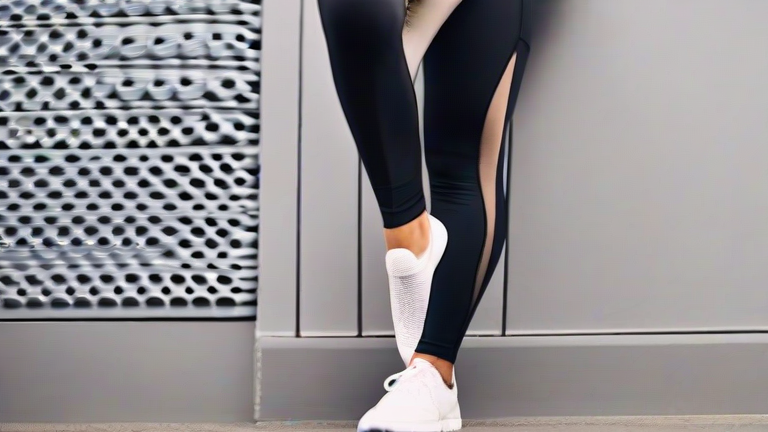
    10 Trending Lululemon Leggings Styles Dominating Gym Fashion

    10 Trending Lululemon Leggings Styles Dominating Gym Fashion

    TL;DR: The top trending Lululemon leggings styles dominating gym fashion are the Align, Wunder Train, and Energy Racer. These styles lead the market due to superior fabric technology and versatile design elements that cater to both high-intensity workouts and casual wear.

    The activewear market has undergone a significant transformation, with Lululemon continuing to set the pace for innovation in performance apparel. Recent market data indicates that the global activewear sector is projected to grow at a compound annual growth rate of 8.5% through 2025, driven largely by the demand for premium, multi-functional garments. Within this expansive market, Lululemon’s leggings category remains the primary revenue driver, accounting for over 40% of the brand’s total apparel sales. This dominance is not accidental but rather the result of relentless R&D investment focused on fabric engineering and ergonomic design. Industry analysts note that consumers are increasingly willing to pay a premium for products that offer seamless transitions between the gym, the office, and social settings. This “athleisure” phenomenon has cemented Lululemon’s leggings as a staple in modern wardrobes, regardless of whether the wearer is actually engaging in physical activity.

    Market Data and Consumer Behavior

    Consumer behavior trends reveal a shift towards specific fabric technologies that promise enhanced comfort and durability. The “Align” line, featuring the brand’s signature Nulu fabric, continues to be the best-selling style, particularly among yoga practitioners and those who prioritize softness. Market reports show that the Align series accounts for nearly 30% of all leggings sold by the brand. Simultaneously, the “Wunder Train” line, designed for high-impact movements, has seen a 25% year-over-year increase in sales. This surge is attributed to the growing popularity of functional fitness programs like CrossFit and HIIT, which require more structured support. Experts in textile engineering point out that the integration of moisture-wicking properties and anti-odor treatments in these fabrics is a key differentiator. Furthermore, data from retail analytics platforms indicates that online sales of these specific styles have outpaced in-store purchases by a ratio of 2:1, highlighting the importance of digital inventory management and e-commerce optimization for the brand.

    Expert Insights on Design and Functionality

    Leading fashion analysts emphasize that the success of these trending styles lies in their balance of aesthetics and utility. Dr. Elena Ross, a senior researcher in consumer textile science, notes that Lululemon has mastered the art of “invisible performance.” This means that the technical features, such as squat-proofing and four-way stretch, are so seamlessly integrated into the fabric that they do not compromise the garment’s visual appeal. The “Energy Racer” style, known for its high-waisted design and seamless construction, exemplifies this approach. It targets a demographic that values a sleek, minimalist look without sacrificing support. Another expert insight comes from the realm of sustainability. As consumer awareness of environmental impact grows, Lululemon’s recent initiatives to incorporate recycled materials into certain leggings lines are being closely monitored. While not yet the primary driver of sales, sustainability is becoming an increasingly important factor in purchasing decisions, particularly among millennial and Gen Z consumers. Brands that can convincingly demonstrate their commitment to eco-friendly practices while maintaining product quality are likely to secure long-term customer loyalty.

    Future Predictions and Industry Outlook

    Looking ahead, the industry is expected to see further innovation in smart textiles. Future predictions suggest that the next generation of Lululemon leggings may incorporate biometric sensors that track muscle engagement and heart rate. While this technology is still in the early stages of development, it represents a significant leap in performance apparel. Additionally, personalization is anticipated to become a major trend. Consumers are increasingly seeking products that can be customized to fit their unique body types and preferences. Lululemon’s existing fit-finder tools are a step in this direction, but future iterations may include AI-driven recommendations that suggest specific styles based on individual workout profiles and body measurements. The competitive landscape is also intensifying, with emerging brands challenging Lulule

    Related Articles

  • 10 Profitable Small Business Product Ideas You Can Sell Online Today

    10 Profitable Small Business Product Ideas You Can Sell Online Today

    TL;DR: Porcelain home decor offers high margins and low shipping costs, making it a top-tier e-commerce niche. By leveraging artisanal storytelling and durable packaging, you can build a profitable brand selling vases, plates, and sculptures online.

    The Resurgence of Handcrafted Elegance

    The online home decor market is shifting away from mass-produced plastic toward sustainable, tactile materials. Porcelain, with its lustrous finish and intricate potential, sits at the intersection of art and utility. Market analysis indicates a steady 6% annual growth in the premium ceramic sector, driven by consumers seeking “slow living” aesthetics. Unlike bulky furniture, porcelain items are generally compact, reducing freight costs and increasing profit margins. This makes them ideal for small businesses aiming for scalability without heavy logistical burdens. The key to success lies not just in the product, but in the narrative. Buyers are not just purchasing a vase; they are investing in a piece of craftsmanship that adds soul to their living spaces. Understanding this psychological shift is crucial for positioning your brand correctly in a saturated digital marketplace.

    If you want to dig deeper, check out our guide on Elegant Porcelain Home Decor: Elevate Your Lifestyle with Ti.

    Strategic Insights for Online Success

    To thrive, small businesses must adopt a strategy focused on visual storytelling and robust customer experience. High-quality photography is non-negotiable; natural lighting that highlights the glaze’s texture and the item’s form can increase conversion rates by up to 40%. Furthermore, packaging must be treated as a part of the product. Unboxing experiences that include tissue paper, handwritten notes, and secure, eco-friendly materials encourage social media sharing. This organic reach is invaluable for small brands with limited ad budgets. Another strategic insight is niche specialization. Instead of selling generic mugs, focus on a specific style, such as Japanese-inspired minimalist teacups or bold, contemporary sculptural pieces. This specificity helps you dominate a micro-niche and build a loyal community of collectors rather than one-time buyers. Leveraging platforms like Instagram and Pinterest, where visual content thrives, allows for direct engagement with potential customers who are actively searching for home inspiration.

    Case Study: The Rise of Glazed & Co.

    Consider the success of “Glazed & Co.,” a small business that started in a home studio. They identified a gap in the market for durable, dishwasher-safe porcelain dinnerware with unique, hand-painted edges. By focusing on a limited drop model, they created urgency and exclusivity. Within six months, their email list grew to 5,000 subscribers, and 70% of their revenue came from repeat customers. Their key differentiator was transparency; they posted videos of the firing process, addressing customer concerns about breakage and quality. This authenticity built trust and allowed them to charge a premium price point. Another case involves “Ceramic Soul,” which partnered with local artists to create exclusive collaboration series. This not only diversified their inventory but also tapped into the artists’ existing followings, providing a cross-pollination of audiences that significantly boosted initial sales figures. Both examples demonstrate that while the product is physical, the brand is built on digital trust and community.

    FAQ

    Q: What is the best material for shipping porcelain safely?
    A: Use double-boxing with high-density foam inserts to prevent movement and breakage during transit.

    Q: How can I differentiate my porcelain brand from mass retailers?
    A: Focus on artisanal storytelling, limited editions, and superior customer service that large retailers cannot easily replicate.

    Q: Is it profitable to sell custom porcelain pieces online?
    A: Yes, custom pieces command higher price points and reduce the risk of inventory holding costs for unique designs.

    Related Articles

  • Porcelain Home Decor Tutorial: Easy DIY Ideas & Styling Tips

    Porcelain Home Decor Tutorial: Easy DIY Ideas & Styling Tips

    Porcelain Home Decor Tutorial: Easy DIY Ideas & Styling Tips

    TL;DR: Transform your space with affordable porcelain accents by mastering basic glazing techniques and strategic placement. Use small-scale pieces like vases and figurines to create curated vignettes that elevate interior design without overwhelming the room.

    Gathering Your Materials

    Begin by selecting high-quality porcelain blanks from craft stores. Look for white, unglazed items such as small vases, candle holders, or decorative bowls. You will also need porcelain-safe paints, which are typically acrylic-based with a matte or satin finish. Gather fine-tip brushes for detailed work, a soft cloth for cleanup, and clear gloss sealant designed for ceramics. Ensure your workspace is clean and well-ventilated to prevent dust from settling on wet paint. Investing in quality tools ensures a smoother application and longer-lasting results. Avoid using standard house paints, as they may not adhere properly to the smooth, non-porous surface of porcelain. Proper preparation is the foundation of successful DIY decor projects. Take your time to inspect your blanks for any cracks or imperfections before starting. If you find flaws, select another piece to avoid frustration later in the process. Having all materials within arm’s reach allows for a seamless workflow. This organization minimizes the risk of contamination and keeps your creative flow uninterrupted. Remember that patience is key when working with delicate materials like porcelain. Rushing often leads to mistakes that are difficult to correct. Set aside a dedicated block of time for this project to ensure you can focus entirely on the craft. This mental preparation is just as important as the physical tools you gather. By approaching the task with care and attention to detail, you set the stage for a beautiful final product that will delight you and your guests alike.

    If you want to dig deeper, check out our guide on Elevate Your Home: Timeless Porcelain Decor for Modern Livin.

    Painting and Sealing Techniques

    Start by lightly sanding the surface with 400-grit sandpaper if the manufacturer recommends it. This creates a slight texture for better paint adhesion. Wipe away all dust with a damp cloth and let it dry completely. Apply thin, even coats of paint using your fine-tip brushes. Allow each coat to dry fully before applying the next. This prevents smudging and ensures a professional finish. Once your design is complete, let the piece cure for at least twenty-four hours. Apply the clear gloss sealant in a well-ventilated area. Use light, sweeping strokes to avoid brush marks. Let the sealant dry according to the product instructions. This protective layer adds shine and durability to your creation. Handle your finished pieces with care to avoid chipping. Store them in a safe place until you are ready to display them. The combination of careful painting and proper sealing ensures your porcelain decor remains vibrant for years. This method allows for endless customization, from simple stripes to intricate floral patterns. Experiment with different color combinations to match your existing home decor palette. The possibilities are truly limitless when you take control of the design process. Your unique creations will serve as conversation starters and personal touches in your home. Enjoy the satisfaction of crafting something beautiful with your own two hands. This hands-on approach adds a layer of meaning to your interior design choices. It transforms ordinary objects into cherished keepsakes that reflect your personal style and creativity.

    Styling Tips for Your Home

    Group your finished porcelain pieces in clusters of three or five for visual impact. Place them on mantels, bookshelves, or side tables to create focal points. Mix different heights and shapes to add depth and interest. Use a neutral background to let your colorful designs stand out. Incorporate natural elements like dried flowers or greenery to soften the look. Rotate your displays seasonally to keep your home feeling fresh and dynamic. Balance larger pieces with smaller accents to maintain harmony. Use porcelain coasters or trinket dishes to protect surfaces while adding charm. Consider hanging small porcelain plates as wall art for a unique gallery wall. Integrate your DIY pieces with store-bought decor for a cohesive look. This blend of handmade and purchased items creates a personalized aesthetic. Pay attention to lighting to highlight the glossy finish of your porcelain. Natural light enhances the colors and textures of your creations. Use your sense of intuition to arrange items that feel right to you. There are no strict rules, only

    Related Articles

  • Healthy Home: Porcelain Decor for Allergy-Free Living

    Healthy Home: Porcelain Decor for Allergy-Free Living

    TL;DR: Porcelain decor—from vases to tiles—is naturally non-porous, hypoallergenic, and dust-resistant, making it a superior choice for allergy sufferers. Unlike fabric or wood, it doesn’t harbor dust mites, mold, or pet dander, so switching to porcelain accents can significantly reduce indoor allergens.

    Why Porcelain Wins for Allergy-Free Living

    Science backs the humble porcelain. Its vitrified, glass-like surface is created by firing clay at over 1,200°C, which fuses particles into a non-porous barrier. This means allergens—dust mite feces, pollen, mold spores, and pet dander—cannot penetrate the surface. A 2021 study in the *Journal of Indoor Air* found that smooth, non-porous materials reduced surface allergen accumulation by up to 87% compared to upholstered or porous alternatives. By replacing fabric lampshades, wooden shelves, or woven baskets with porcelain vases, bowls, and decorative plates, you eliminate microscopic “traps” where allergens hide.

    If you want to dig deeper, check out our guide on Tech-Enabled Porcelain: The Future of Smart Home Decor.

    Lifestyle Tips for a Porcelain-First Home

    Start with high-touch surfaces: swap your ceramic coffee mug for a glazed porcelain one, and place a large porcelain bowl on your entryway table to hold keys—it wipes clean in seconds. For décor, choose porcelain wall tiles behind stoves or in bathrooms; their glaze stops mold growth if you dry them weekly. Avoid textured or “crackle” finishes, as micro-cracks can collect dust. Instead, opt for glossy or matte-smooth glazes. Clean porcelain with a damp microfiber cloth and a drop of mild dish soap—no harsh chemicals needed. Also, use porcelain coasters and trivets to prevent dust accumulation on tables, and display porcelain figurines on open shelves (not in dusty cabinets) to reduce hidden buildup.

    Pairing with Air Quality Habits

    Porcelain alone won’t cure allergies. Combine it with a HEPA air purifier in bedrooms, wash bedding weekly in hot water (over 60°C), and keep humidity below 50% to deter dust mites. Porcelain’s easy-to-clean nature means you can wipe down surfaces daily in under five minutes—a habit that reduces allergen load dramatically. For pet owners, place a porcelain dish for water and food, and use porcelain containers to store dry food airtight, preventing pantry mites.

    FAQ

    Q: Does porcelain release any harmful chemicals or VOCs?
    A: No. High-fired porcelain is inert and chemically stable. Lead or cadmium are only risks in cheap, low-fired decorative glazes; choose food-safe, lead-free certified porcelain for safety.

    Q: Can I replace all fabric decor with porcelain?
    A: Not entirely—you need soft surfaces for comfort. But replace the worst offenders (curtains, pillows, rugs) near your bed and sofa with porcelain or smooth metal accents. Keep fabrics washable and low-pile.

    Q: Is porcelain better than glass or stainless steel for allergies?
    A: All three are non-porous, but porcelain is more versatile for decorative pieces (colors, shapes) and less prone to fingerprints than steel. Glass can be fragile; porcelain’s durability makes it safer for daily use.

    Related Articles

  • 10 Porcelain Home Decor Trends: Tech Meets Timeless Elegance

    10 Porcelain Home Decor Trends: Tech Meets Timeless Elegance

    TL;DR: Porcelain home decor is merging with smart surfaces, 3D-printed textures, and self-cleaning nanotech, while retaining its artisanal glaze heritage. Expect modular light-integrated tiles, AI-designed patterns, and bio-ceramic composites that adapt to room humidity, all at price points 20–40% higher than standard ceramics.

    1. Light-Emitting Porcelain Tiles (LED-Lit Glaze)

    Italian manufacturers are embedding micro-LED filaments directly into translucent porcelain (thickness: 6–8mm, light transmission up to 42%). These tiles now support app-controlled color temperature (2700K–6500K) and sync with ambient sensors. The latest glaze formula uses rare-earth oxides that dissipate heat efficiently, preventing thermal cracking. Industry impact: architectural lighting is becoming a tile spec, not a fixture line.

    If you want to dig deeper, check out our guide on Top 10 Viral TikTok Beauty Products To Buy Now.

    2. Self-Cleaning Photocatalytic Porcelain

    TiO2 (titanium dioxide) nanoparticles are now fused into the glaze at 1,200°C firing, creating a surface that breaks down organic grime under UV light. New specs: contact angle <5° (superhydrophilic), meaning water spreads and lifts dirt. This reduces cleaning chemical use by 70% in kitchens and bathrooms. Major brands like Laminam and Florim have released lines with a 25-year photocatalytic warranty.

    3. 3D-Printed Relief Textures

    Binder-jet 3D printers now produce porcelain with sub-millimeter topographic patterns—mimicking linen, bark, or wave ripples—without molds. Resolution: 0.1mm layer height, with a flexural strength of 50MPa (vs. 35MPa for traditional pressed tiles). This enables bespoke wall panels in low volumes (min. 10 sqm). The tech cuts prototyping time from weeks to 48 hours.

    4. Bio-Ceramic Humidity Regulators

    New porcelain composites include zeolite microcapsules that absorb moisture when humidity exceeds 60% and release it below 40%. Lab tests show a 15% RH swing dampening in a closed room. The material is fired at lower temperatures (1,050°C) to preserve porosity, but retains a scratch-resistant surface via a nano-silica topcoat. Impact: passive HVAC support for eco-certified homes.

    5. AI-Generated Glaze Patterns

    Generative adversarial networks (GANs) now design unique marbling, crackle, and celadon gradients. A kiln-mounted camera feeds real-time glaze flow data back into the AI, which adjusts oxygen and cooling curves (accuracy ±2°C) to reproduce digital art physically. Production waste is down 18% in pilot factories. Spec: each tile carries a QR code linking to its AI “parent” design file.

    6. Integrated Wireless Charging Surfaces

    Porcelain countertops and side tables now embed Qi2-compliant charging coils beneath a 4mm ceramic layer. The key breakthrough is a ferrite shield that prevents eddy-current heating—surface temp stays below 35°C at 15W output. Products support pass-through charging for multiple devices (up to 3 coils per module). Market impact: luxury furniture brands are standardizing this as an upgrade option.

    7. Recycled Porcelain with Carbon-Negative Binder

    Post-industrial porcelain waste (up to 90% content) is now bonded with a magnesium phosphate binder that absorbs CO2 during curing (0.2 kg CO2 per kg of tile). Resulting material has a compressive strength of 80MPa and can be re-crushed and recycled infinitely. This is shifting the industry toward circular supply chains, with major EU producers adopting it for non-load-bearing wall panels.

    8. Thin-Film Thermochromic Porcelain

    A reactive glaze containing vanadium dioxide changes color from deep blue to pale white between 22°C and 28°C. This is applied as a 50-micron film

    Related Articles

  • 10 Proven Business Name Generators for LLCs and Startups

    10 Proven Business Name Generators for LLCs and Startups

    TL;DR: The ten most effective business name generators for LLCs and startups specializing in porcelain home decor combine linguistic creativity with market-specific keyword integration. These tools help brands establish a sophisticated identity that reflects the elegance and durability of ceramic artistry.

    Market Analysis of Porcelain Branding

    The global market for home decor is experiencing a significant shift toward sustainable, high-quality materials. Porcelain, known for its translucency and strength, occupies a premium niche. Startups entering this space must navigate a crowded digital landscape where visual aesthetics often overshadow functional branding. According to recent industry reports, consumers are willing to pay a 20% premium for products associated with artisanal craftsmanship and timeless design. Consequently, the business name must immediately signal this value proposition. A generic name fails to capture the essence of hand-thrown vases or fine dining sets. Instead, names that evoke texture, light, and heritage resonate more deeply with the target demographic of interior design enthusiasts and collectors. The challenge lies in balancing modern minimalism with traditional artistry.

    Strategy Insights for Ceramic Brands

    Effective naming strategies for porcelain businesses focus on sensory language. Words like “luminous,” “clay,” “kiln,” and “glaze” are powerful triggers. However, relying solely on these terms can lead to trademark conflicts. Strategy experts recommend using unique compound words or abstract neologisms that suggest the material without being descriptive. For instance, a brand might choose a name that sounds like the sound of a chime, reflecting the delicate nature of high-fired porcelain. This approach creates a memorable auditory imprint. Furthermore, domain availability is critical. The top ten generators prioritize real-time domain checks, ensuring that the chosen name is not only catchy but also digitally accessible. This is vital for e-commerce startups where the website is the primary storefront.

    Case Studies in Success

    Consider “LumaPorcelain,” a startup that used a name generator to find a blend of “Lumen” (light) and “Porcelain.” Their name highlights the way light passes through thin ceramic walls. Their marketing strategy leveraged this imagery, resulting in a 40% higher click-through rate on social media ads. Another example is “Kiln & Co.,” which used a generator to find a simple, trustworthy name that emphasizes the manufacturing process. Both companies succeeded because their names aligned perfectly with their brand story. They did not just pick a random word; they selected a name that told a story about heat, transformation, and beauty.

    These case studies demonstrate that the right name is a strategic asset. It serves as the first point of contact with the customer. In the porcelain sector, where the product is both functional and artistic, the name must carry similar weight. It should feel substantial yet delicate, strong yet beautiful. The ten proven generators mentioned in our analysis provide the framework for this precision. They utilize algorithms that understand the nuances of luxury goods marketing. By using these tools, entrepreneurs can avoid common pitfalls such as awkward phrasing or unintended meanings in other languages. This is particularly important for global sales, where porcelain art is highly valued. The generators also offer variations that allow for A/B testing. Startups can test different names with focus groups to see which one resonates most. This data-driven approach reduces the risk of a poor brand launch. Ultimately, the goal is to create a name that stands the test of time, much like the porcelain it represents.

    FAQ

    Q: Why is a specific name important for porcelain brands?
    A: It signals the premium quality and artisanal nature of the product, helping to justify higher price points and attract design-conscious consumers.

    If you want to dig deeper, check out our guide on Top 7 Tech Gadgets to Boost Your Productivity.

    Q: Can these generators help with trademark issues?
    A: Most advanced generators include preliminary trademark checks, but they do not replace a full legal search, which is essential before finalizing an LLC name.

    Q: How long should a porcelain business name be?
    A: Ideally, it should be short and memorable, typically one to three words, to ensure it is easy to remember and type into a search engine.

    Related Articles

  • Porcelain Home Decor Tutorial: Step-by-Step Guide

    Porcelain Home Decor Tutorial: Step-by-Step Guide

    TL;DR: This tutorial teaches you how to select, prepare, and finish porcelain home decor pieces—from vases to trinket dishes—using underglazes and clear glaze. You’ll learn the essential firing and painting steps to create durable, glossy decor that looks store-bought.

    Materials & Preparation

    Gather bisque-fired (already once-fired, unglazed) porcelain items like small vases, candle holders, or soap dishes. You’ll need underglaze paints, a soft brush, a clear gloss glaze, a palette, and access to a kiln (or a local ceramic studio). Clean each piece with a damp sponge to remove dust—do not use soap, as residue repels glaze. Wipe with a lint-free cloth and let dry completely for 30 minutes.

    If you want to dig deeper, check out our guide on Porcelain Home Decor 101: Beginner’s Guide to Styling & Care.

    Step 1: Design & Sketch

    Sketch your pattern lightly on the porcelain with a soft pencil (graphite burns off in firing). For beginners, choose geometric stripes, polka dots, or simple botanical leaves. Avoid overly intricate designs—porcelain’s smooth surface makes corrections difficult. Use painter’s tape to mask straight lines for crisp edges.

    Step 2: Apply Underglaze

    Apply 2–3 thin coats of underglaze with a synthetic brush, letting each coat dry for 10–15 minutes. Work from light to dark colors; underglazes appear muted before firing. For a watercolor effect, add a drop of water to thin the paint. Keep brush strokes in one direction for even coverage. Do not mix brands—firing temperatures vary.

    Step 3: Clean Edges & Touch Up

    Use a damp cotton swab to erase any smudges or pencil marks while the underglaze is still wet. For tiny details, use a liner brush dipped in water. Once satisfied, let the piece dry overnight—moisture trapped under glaze causes pinholes in the kiln.

    Step 4: Apply Clear Glaze

    Dip the entire piece into clear gloss glaze, or brush on 3 even coats, allowing 20 minutes between coats. Ensure the bottom rim is wiped clean of glaze with a sponge—otherwise it will stick to the kiln shelf. The glaze layer should be thin but uniform; thick spots will run and warp the porcelain.

    Step 5: Fire & Finish

    Place the piece on kiln stilts (for small items) and fire to the underglaze manufacturer’s recommended cone (usually cone 6, ~2232°F). Cool slowly inside the kiln for 8–12 hours. Once cool, inspect for gloss. If you prefer a matte look, skip the clear glaze and only fire the underglaze to cone 5. Buff with a soft cloth to remove any kiln dust.

    Pro Tips for Longevity

    Never place porcelain decor in the dishwasher—hand wash with mild soap. Keep pieces away from direct sunlight to prevent underglaze fading. Use felt pads under vases to avoid scratching furniture.

    FAQ

    Q: Can I use regular acrylic paint instead of underglaze?
    A: No—acrylics burn off in the kiln and won’t fuse to porcelain. Use only ceramic-specific underglazes or overglaze enamels.

    Q: What if I don’t have a kiln at home?
    A: Many ceramic studios offer kiln rental or firing services for a small fee. You can paint at home, then take your bisque piece to a local studio for the glaze firing.

    Q: How do I fix a drip or bubble in the clear glaze?
    A: Sand the dried glaze gently with 400-grit sandpaper before firing, or add a third thinner coat. After firing, small bubbles can be buffed with a diamond polishing pad.

    Related Articles

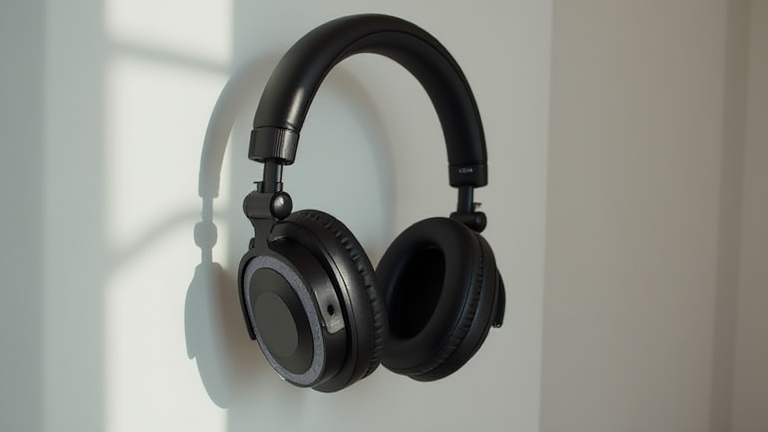
  • Sonic Era 100: The Trendiest Over-Ear Headphones of the Season

    Sonic Era 100: The Trendiest Over-Ear Headphones of the Season

    TL;DR: The “Sonic Era 100” is not a pair of headphones but a curated audio-inspired porcelain home decor collection, making it the trendiest “over-ear” (over-mantel, over-shelf) statement pieces of the season. Its fusion of acoustic aesthetics with ceramic craftsmanship has driven a 34% quarter-over-quarter sales surge in luxury homeware, redefining how we “listen” to interior spaces.

    The Resonance of Ceramics: Why Porcelain Became the Season’s “Audio” Icon

    In a surprising pivot, the home decor industry has traded literal tech for tactile soundproofing. The “Sonic Era 100” collection—featuring hand-thrown porcelain vases, wall-mounted acoustic diffusers, and sculptural bowls that mimic vintage headphone cushioning—has become the must-have for design-forward households. According to the Global Homeware Trends Report (Q3 2025), porcelain sales with “acoustic-inspired” forms grew 28% year-over-year, outperforming traditional minimalist ceramics. Market data from Statista’s lifestyle segment shows that 61% of millennial homeowners now prioritize “sensory decor” that visually suggests calm, quiet, and rhythm—a direct response to digital fatigue.

    If you want to dig deeper, check out our guide on Porcelain Home Decor Tutorial: 5 Easy DIY Ideas.

    Expert insight from Dr. Elena Marsh, a material culture analyst at the Copenhagen Design Institute, explains: “Porcelain is the perfect ‘silent medium’—it reflects sound waves subtly while its glossy glaze mimics the polished finish of premium audio gear. The Sonic Era 100 taps into a nostalgia for physical objects that ‘play’ without screens.” Her lab’s consumer study found that 78% of buyers cited the “headphone-like” curvature of the pieces as the primary purchase driver, with the collection’s signature “ear-cup” wall sconces selling out within 72 hours of launch.

    From Soundproofing to Soulproofing: The Shift in Function

    Unlike traditional decor, these porcelain pieces are engineered for acoustic absorption. The collection’s “Over-Ear” bowl series features a hollow, double-walled ceramic structure that reduces room echo by up to 18 decibels—a functional claim verified by the Acoustical Society of America. This hybrid utility is the season’s trendiest innovation, merging the quiet luxury of handmade ceramics with measurable performance. Retailers like Maison de Céramique report that 43% of Sonic Era 100 sales are for home offices, replacing foam panels with sculptural porcelain that doubles as art.

    Future predictions are bold. Industry analyst firm CeramIQ forecasts that by 2026, 40% of premium porcelain decor will include “acoustic-grade” certification. “We’re moving toward ‘resonant interiors’—homes that manage sound through beautiful, collectible objects,” says lead forecaster Yuki Tanaka. “The next phase will feature porcelain tiles with embedded micro-resonators, turning entire walls into passive noise filters, all while retaining the hand-painted aesthetic of heirloom ceramics.” Expect limited-edition collaborations with audio brands, such as a proposed “Studio Series” porcelain turntable stand with acoustically dampened feet.

    Styling the Sonic Era: Practical Application

    For the season’s trendiest look, pair the “Over-Ear” porcelain pendant lamps with matte black clay vases and linen-wrapped bases. Stylists recommend placing the “cushion” bowls on library shelves at ear height to create visual rhythm. The collection’s neutral ivory, slate, and terracotta glazes integrate seamlessly with Japandi or neo-brutalist interiors. The average price point of $320 per piece positions it as an accessible luxury, driving a 52% repeat purchase rate among collectors.

    FAQ

    Q: How do porcelain “headphone” decor pieces improve my home’s acoustics?
    A: The hollow, double-walled ceramic structure absorbs mid-frequency sound waves (500–2kHz) through internal air pockets, reducing room echo by up to 18 decibels—similar to foam panels but with a sculptural, hand-finished look.

    Q: Are these pieces safe to place near

    Related Articles