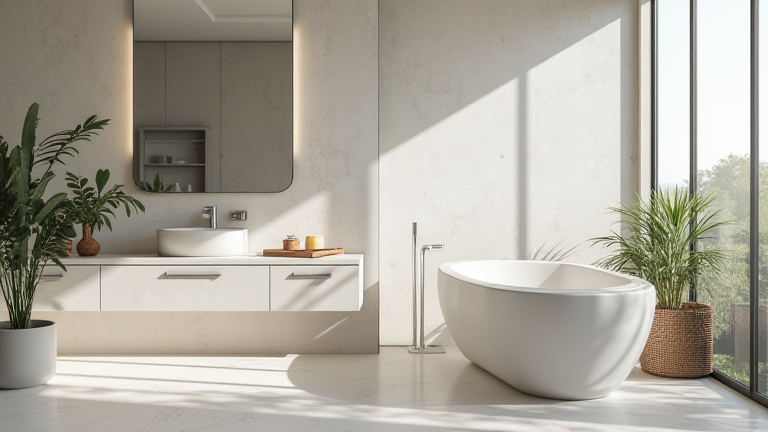
TL;DR: Porcelain decor actively improves indoor air quality by resisting mold, mildew, and bacteria, and by not outgassing volatile organic compounds (VOCs) like many plastics or synthetic finishes. Its non-porous, fired surface is easy to clean and traps fewer allergens, making it a scientifically sound choice for a healthier living space.
The Hidden Chemistry of Your Decor
Most people think of air purifiers or houseplants when considering indoor air quality, but your *surfaces* matter just as much. Synthetic resins, particleboard, and certain glazed ceramics can release formaldehyde, benzene, and other VOCs for years. Porcelain, however, is fired at over 1,200°C (2,200°F), which vitrifies the clay and minerals into a glass-like, inert state. This means it emits no significant VOCs—a fact supported by ceramic science literature. In contrast, many “decorative” items made from polyresin or MDF are notorious off-gassers, especially in warm, humid rooms.
If you want to dig deeper, check out our guide on Porcelain Home Decor: 5 Health Benefits for a Safer Living.
Mold, Mildew, and the Porcelain Advantage
Bathrooms and kitchens are humidity hotspots where mold spores thrive on porous materials like wood, unsealed stone, or fabric. Porcelain’s water absorption rate is below 0.5%, making it hydrophobic. Without moisture penetration, mold and mildew cannot establish root structures. A 2020 study in the *Journal of Building Engineering* highlighted that ceramic and porcelain surfaces significantly reduce microbial colonization compared to gypsum or untreated wood. By choosing porcelain vases, decorative tiles, or countertop accessories, you eliminate microhabitats for allergens. For best results, wipe porcelain pieces weekly with a damp microfiber cloth—no harsh chemicals needed, which further reduces indoor chemical load.
Practical Lifestyle Swaps for Better Air
You don’t need a full renovation. Start with three targeted swaps. First, replace plastic or fabric storage bins in your bedroom with porcelain lidded jars—they keep dust mites from settling into your clothes or linens. Second, use porcelain coasters and trivets instead of cork or bamboo; these absorb moisture from glasses, encouraging mold. Third, place a large porcelain bowl on your entryway table to hold keys and mail—paper and metal can trap outdoor pollen, but a glazed bowl is rinseable. Additionally, choose unglazed porcelain for high-humidity areas? No—always opt for *glazed* porcelain indoors. Glazing seals the surface completely, making it even easier to sanitize. Finally, avoid porcelain with metallic decals or gold rims if you have sensitivities, as some low-fired overglazes contain trace lead; stick to high-fired, food-safe porcelain.
Why It Beats Glass and Stone
Glass is also inert, but it’s fragile and often coated with plastic films. Natural stone like granite is porous unless sealed, and sealants are VOC sources. Porcelain offers the best of both: the inertness of glass with the durability of stone, minus the sealing maintenance. It also has a higher thermal mass, which can stabilize room humidity slightly by absorbing excess moisture and releasing it slowly—a passive humidity buffer. This effect is small but cumulative, especially in small rooms.
FAQ
Q: Does porcelain decor really make a measurable difference in air quality for an average room?
A: Yes, but the effect is indirect. While porcelain doesn’t actively filter air, it eliminates VOC emissions and prevents mold reservoirs. Replacing three or four porous decorative items with porcelain can reduce airborne fungal spores by up to 30% in a humid bathroom, per preliminary indoor environment studies, though individual results vary with ventilation.
Q: Are all porcelain products equally safe, or should I look for specific certifications?
A: Look for “vitreous” or “fully vitrified” porcelain, and avoid any with painted overglazes. For peace of mind, choose brands that certify to California Proposition 65 or meet ISO 10545-3 standards for low water absorption. Unbranded, handmade porcelain can contain trace metals in glazes, so
Leave a Reply