Porcelain Decor Health Benefits: Safe, Non-Toxic & Dust-Free
TL;DR: Porcelain home decor offers significant health advantages due to its non-porous surface, which resists bacterial growth and accumulates less dust than organic materials. Its non-toxic composition ensures that no harmful chemicals are off-gassed into your living environment, promoting cleaner indoor air quality.
In the modern era, where indoor air quality is a primary concern for wellness enthusiasts, the materials we choose for our home interiors matter more than ever. While many decorative items are made from porous materials like wood, fabric, or unglazed ceramics, porcelain stands out as a superior choice for health-conscious individuals. Understanding why porcelain is a safer alternative requires looking at its material science and its interaction with the human body and the home environment.
If you want to dig deeper, check out our guide on How Shopify Store Owners Can Boost AOV With Bundles.
The Science of Non-Porous Surfaces
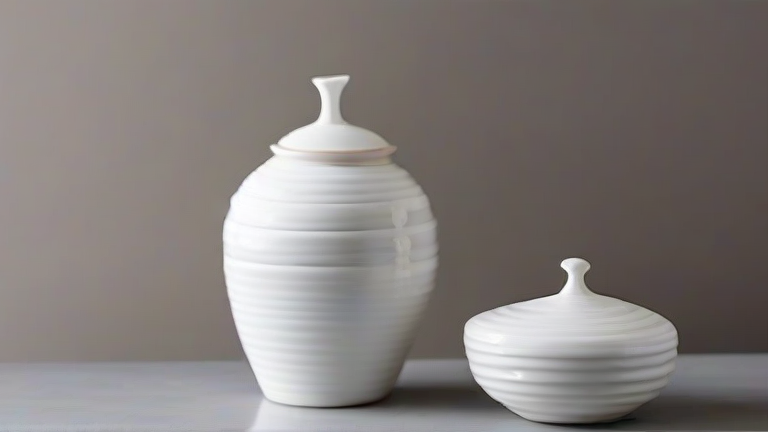
The defining characteristic of porcelain is its extreme density and low porosity. Unlike clay or terracotta, which can absorb moisture and retain it, porcelain is fired at very high temperatures, creating a glass-like finish. This structural integrity prevents the infiltration of liquids and, crucially, the colonization of microorganisms. Studies on surface hygiene indicate that non-porous surfaces are significantly easier to sanitize because bacteria and mold spores cannot penetrate the material. By incorporating porcelain vases, plates, or sculptures into your home, you are reducing the potential reservoirs for pathogens that can trigger allergies or respiratory issues.
Reduction of Allergens and Dust
Dust mites thrive in organic fibers and porous textures where moisture can linger. Fabrics and rough-hewn stones provide ample hiding spots for these microscopic allergens. In contrast, the smooth, glossy finish of glazed porcelain offers no such refuge. Regular cleaning is straightforward; a simple wipe with a damp cloth removes dust and allergens completely without leaving residue. This is particularly beneficial for individuals with asthma or chronic sinusitis, who often find that reducing the total dust load in their living spaces leads to fewer flare-ups. The ease of maintenance means that porcelain decor does not contribute to the gradual buildup of particulate matter that clogs airways.
Non-Toxic Composition and Air Quality
Another critical aspect of health and wellness is avoiding exposure to volatile organic compounds (VOCs). Many synthetic decorative items, or those made with cheap glazes, can off-gas formaldehyde or other toxic substances over time. High-quality porcelain is composed of natural minerals, primarily kaolin clay, feldspar, and quartz. When properly fired, these materials become inert. They do not emit gases or leach heavy metals, provided they are sourced from reputable manufacturers who adhere to safety standards. This makes porcelain an ideal choice for nurseries, bedrooms, and other spaces where people spend the most time. By choosing porcelain, you are supporting a non-toxic lifestyle that prioritizes long-term respiratory health and overall well-being.
Lifestyle Tips for Incorporating Porcelain
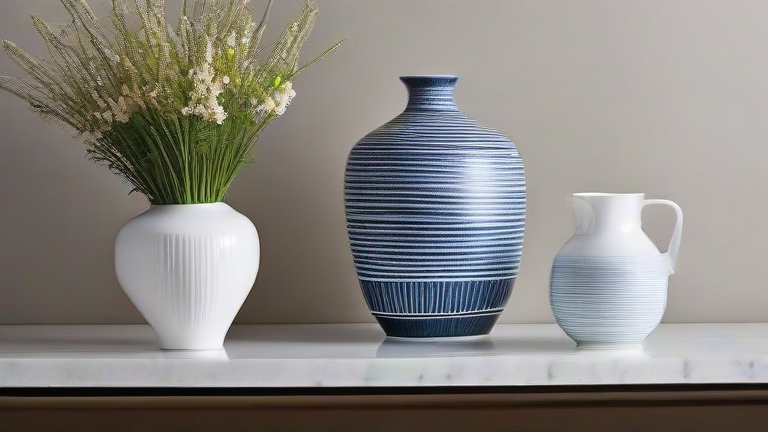
To maximize the health benefits of porcelain decor, consider placing it in high-traffic areas or rooms where you spend the most time, such as the living room or kitchen. Use it for serving ware to avoid the potential leaching of metals from lower-quality cookware. Additionally, incorporate porcelain elements that encourage mindfulness, such as a beautiful vase with fresh flowers, which can improve mental health and reduce stress. Remember to clean your porcelain items regularly to maintain their hygienic properties. While they are low-maintenance, keeping them free of dust ensures they continue to serve as safe, neutral elements in your home’s ecosystem.
FAQ
Q: Is porcelain safe for people with metal allergies?
A: Yes, pure porcelain is a ceramic material and does not contain metals that typically trigger contact allergies. However, you should ensure that any decorative handles or attachments are also hypoallergenic.
Q: Can porcelain break easily and pose a safety risk?
A: Porcelain is strong but brittle. To minimize risk, use it for static decor rather than high-impact areas like floors. If broken, clean up shards immediately to prevent injury,