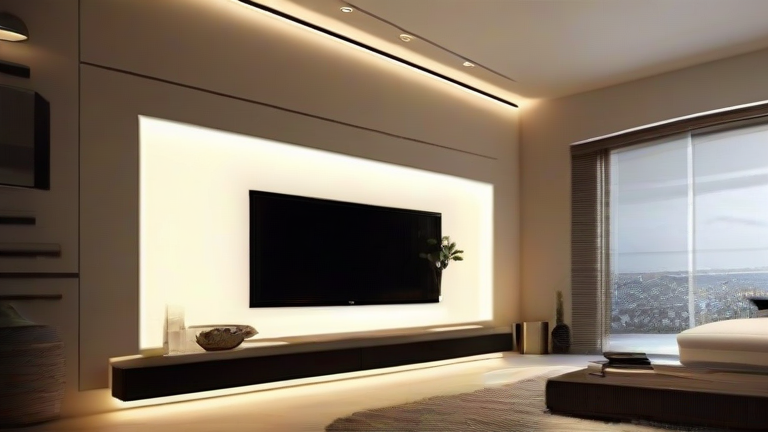
Modern Tech for Porcelain Home Decor: Smart Lighting & Display Ideas
TL;DR: Modern porcelain home decor now integrates with smart lighting systems to create dynamic, interactive display environments that highlight ceramic textures and glazes. These technological advancements allow for precise color temperature adjustments and automated scenes that enhance the visual appeal of porcelain vases, sculptures, and tableware.
The intersection of traditional craftsmanship and cutting-edge technology is reshaping how homeowners display porcelain art. Historically, porcelain was showcased under static lighting that often failed to reveal the subtle nuances of glazed surfaces. Today, the rise of smart home ecosystems enables collectors and interior designers to use programmable LED strips and smart bulbs to curate lighting experiences specifically tailored to porcelain pieces. This shift is not merely about illumination; it is about creating an immersive aesthetic experience that respects the material’s unique properties while leveraging modern control interfaces.
If you want to dig deeper, check out our guide on “Smart Homes, Timeless Porcelain: Tech Meets Decor Trends” (.
Latest Developments in Integration
Recent developments focus on high-CRI (Color Rendering Index) smart lighting solutions. Standard LEDs often have a CRI below 90, which can wash out the delicate colors of porcelain glazes. Newer smart lighting models now offer CRI ratings of 95 or higher, ensuring that the true hues of blue-and-white patterns or celadon green tones are accurately represented. Furthermore, manufacturers are embedding NFC (Near Field Communication) tags directly into the bases of porcelain display stands. This allows users to tap a smartphone to the base to instantly activate a pre-set lighting scene optimized for that specific piece, adjusting brightness and hue to match the porcelain’s reflectivity.
Key Specifications for Optimal Displays
For optimal porcelain display, the technical specifications of the lighting hardware are critical. Smart bulbs should support tunable white light ranging from 2700K to 6500K. Warm tones (2700K) are ideal for enhancing the warm whites of traditional porcelain, while cooler tones (4000K+) can accentuate cooler blue glazes. Additionally, dimming capabilities should operate smoothly from 1% to 100% without flicker, as flicker can create visual noise that distracts from the artwork. Smart display cases are now incorporating low-heat LED panels to prevent thermal stress on delicate porcelain items, a common issue with older incandescent spotlights. The integration of voice control through platforms like Alexa and Google Home allows users to adjust these settings hands-free, adding a layer of convenience to the decorative experience.
Industry Impact and Future Trends
The industry impact is significant, driving a new market for “smart porcelain” sets that include compatible lighting controls. Ceramic artists are collaborating with tech firms to create pieces that respond to ambient light conditions. For instance, a smart vase might trigger a soft glow when the room darkens, acting as a nightlight. This convergence is expected to increase the value of porcelain decor by adding functional smart home utility to traditional aesthetic value. As IoT connectivity becomes more standardized, we anticipate seeing porcelain decor that syncs with music or time-of-day schedules, further blurring the lines between art, technology, and home automation. This evolution ensures that porcelain remains a vibrant, relevant element in modern interior design rather than a static historical artifact.
FAQ
Q: Can smart lighting damage porcelain?
A: No, modern smart LEDs generate negligible heat, making them safe for porcelain displays and preventing the thermal stress associated with older incandescent bulbs.
Q: What color temperature is best for white porcelain?
A: A neutral white light around 3500K to 4000K is generally recommended for white porcelain, as it provides accurate color rendering without adding a yellow or blue cast to the material.
Q: Do I need a smart home hub to control porcelain displays?
A: Not necessarily; many smart lights connect directly to Wi-Fi, but a hub can improve reliability and allow for more complex automated scenes involving multiple porcelain pieces.
Leave a Reply