Blog

  • 10 Stunning Porcelain Home Decor Ideas to Elevate Your Space

    10 Stunning Porcelain Home Decor Ideas to Elevate Your Space

    TL;DR: Porcelain decor instantly adds timeless elegance, durability, and a tactile, gallery-like finish to any room. From sculptural vases to intricate wall art, these 10 ideas transform blank spaces into curated, sophisticated interiors without a full renovation.

    Why Porcelain is the Ultimate Decor Upgrade

    Unlike ceramic or resin, porcelain is fired at higher temperatures, making it denser, more chip-resistant, and subtly translucent. It catches light beautifully, offering a refined, almost jewel-like sheen that matte plaster or mass-produced polyresin cannot replicate. While ceramic is porous and prone to crazing, porcelain’s vitrified surface resists moisture and staining—perfect for kitchens and bathrooms. Compared to stoneware, it’s lighter yet stronger, allowing for delicate, intricate shapes that feel substantial in hand.

    If you want to dig deeper, check out our guide on 10 Stunning Porcelain Home Decor Ideas for Elegant Interiors.

    10 Stunning Porcelain Decor Ideas

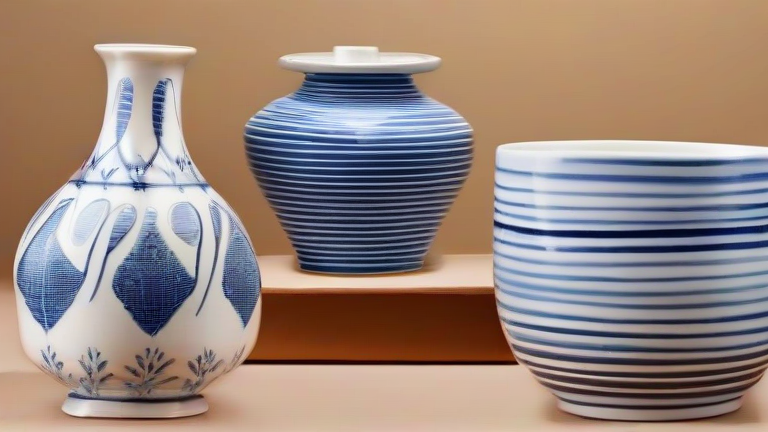
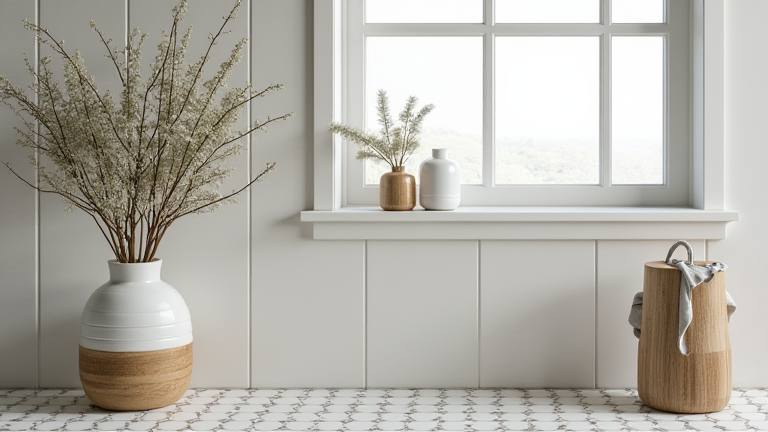
    1. Oversized Floor Vases — Place a 60cm matte-white porcelain vase in a corner; its sheer scale anchors the room. Pair with dried pampas grass for texture contrast. Feature: hand-painted cobalt rims add a classic Ming-inspired accent.

    2. Sculptural Table Lamps — Choose a ribbed, hourglass-shaped porcelain base with a linen shade. The glow diffuses through the thin walls, creating a warm, honeyed ambience. Feature: built-in dimmer switch for mood control.

    3. Porcelain Wall Tiles with 3D Relief — Use as a kitchen backsplash or a single feature wall. Wave or scale patterns catch shadows, adding depth. Feature: low-maintenance, non-porous glaze resists grease and fingerprints.

    4. Decorative Bowls with Crackle Glaze — Stack two or three on a coffee table or console. The crackle pattern (controlled crazing) mimics antique celadon, giving a vintage soul. Feature: food-safe finish, so you can double them for fruit.

    5. Porcelain Candle Holders — Geometric, pyramid-shaped holders with a matte black finish create dramatic silhouettes. Place them along a mantle for a modern gothic vibe. Feature: heat-resistant interior sleeve prevents cracking.

    6. Hand-Painted Porcelain Plates as Wall Art — Mount a set of four botanical or fish-themed plates in a grid. They act as affordable, lightweight alternatives to heavy canvas art. Feature: each plate includes a hidden sawtooth hanger.

    7. Porcelain Bookends — Choose animal-shaped (fox or owl) bookends with a glossy white glaze. They add whimsy to a bookshelf while holding heavy volumes. Feature: weighted base ensures stability.

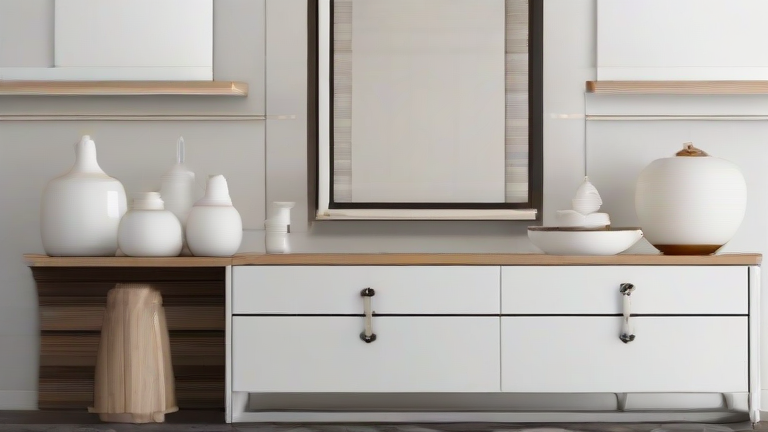
    8. Minimalist Porcelain Vase Set of Three — Different heights, same silhouette—perfect for a sideboard. The matte finish contrasts nicely with glossy tabletops. Feature: water-tight inner lining allows fresh flowers without leakage.

    9. Porcelain Diffuser with Reed Sticks — A sleek, hourglass-shaped vessel that doubles as a scent dispenser. The porous unglazed top slowly releases fragrance. Feature: refillable and comes with a cork stopper for travel.

    10. Porcelain Knob and Handle Set — Swap out cabinet hardware for small porcelain knobs with gold or brass details. This micro-upgrade elevates an entire kitchen or dresser. Feature: rust-proof metal screw included.

    How to Choose: Porcelain vs. Ceramic vs. Stoneware

    For decorative pieces, porcelain wins on refinement and durability. Ceramic is fine for budget-friendly seasonal decor but chips easily. Stoneware is heavier and better for outdoor or rustic settings, but it lacks the luminous quality of porcelain. If you want a piece that feels precious yet withstands daily use, always check the “vitrified porcelain” label—it’s the highest grade.
    Call to Action</h

    Related Articles

  • Timeless Porcelain Home Decor: 5 Ways to Elevate Your Space

    Timeless Porcelain Home Decor: 5 Ways to Elevate Your Space

    TL;DR: Timeless porcelain decor bridges cultural heritage and modern minimalism, adding tactile warmth and artisanal narrative to any room. Focus on curated vignettes, functional artistry, and global craftsmanship to elevate your space without visual clutter.

    1. Embrace the Wabi-Sabi Imperfection

    Porcelain isn’t about sterile perfection—it’s about the hand of the maker. Travel to Japan’s Arita region or Portugal’s Caldas da Rainha in your mind, and choose pieces with subtle glaze drips, tiny kiln kisses, or asymmetric rims. These “flaws” tell a story of fire and patience. Place a single hand-thrown vase on a console table, filled with dried pampas grass or a single seasonal branch. The contrast between the smooth, cool ceramic and the organic texture creates a meditation on impermanence, a gentle daily reminder that beauty lives in the unpolished.

    If you want to dig deeper, check out our guide on Elegant Porcelain Home Decor Ideas for a Luxurious Living Sp.

    2. Build a Porcelain Tableau, Not a Collection

    Resist the urge to scatter porcelain across shelves. Instead, curate a “tableau” on a sideboard or mantel: group three to five pieces of varying heights—a footed bowl, a small covered jar, and a sculptural plate—in a monochrome palette of cream, celadon, or deep cobalt. This mimics the way Moroccan riads or Chinese scholar studios arrange objects: with deliberate negative space. The result is a visual pause, a quiet corner that invites guests to look closer, not just glance.

    3. Use Porcelain as a Cultural Passport

    Let your decor double as a travel journal. Choose a Delft blue tile from the Netherlands as a coaster, a Turkish Iznik bowl for fruit, or a contemporary Danish porcelain candle holder. Each piece carries a climate, a recipe, a history. When you set the dinner table, mix these patterns—not matching sets—and tell the story of a market in Istanbul or a rainy afternoon in Copenhagen. This transforms your daily meal into a personal growth ritual, expanding your worldview one bite at a time.

    4. Bring Porcelain Into the Bathroom as Art

    Most people stop at ceramic sinks. Elevate the space with a porcelain soap dish shaped like a folded leaf, or a small lidded trinket box for jewelry. The glossy, waterproof nature of porcelain makes it perfect for humidity. Place a single antique-style porcelain knob on a linen cabinet, or hang a delicate porcelain wall pocket holding fresh eucalyptus. This unexpected placement adds a layer of sophistication that feels like a boutique hotel, not a typical home.

    5. Layer Porcelain with Soft Textures

    Porcelain’s hard, cool surface craves contrast. Lay a chunky wool throw over an armchair and set a porcelain mug (hand-painted, naturally) on the side table. Pair a stark white porcelain lamp base with a linen shade. The interplay between the fired clay and the forgiving fabric creates a sensory balance—cool to hot, rigid to soft—that mimics the comfort of a Mediterranean siesta. This layering is the secret to making porcelain feel lived-in, not museum-like.

    FAQ

    Q: How do I clean porcelain decor without damaging the glaze?
    A: Use warm water, a drop of mild dish soap, and a soft microfiber cloth. Avoid abrasive scrubbers and harsh chemicals; simply wipe and dry immediately to prevent water spots.

    Q: Can I mix porcelain with other materials like wood or metal?
    A: Absolutely. In fact, porcelain shines best when contrasted with natural wood, brushed brass, or raw stone. The key is to keep the porcelain as the focal point and let other materials act as supporting textures.

    Q: Is porcelain decor only for traditional interiors?
    A: No. Modern, minimalist, and even industrial spaces benefit from porcelain’s clean lines. Choose geometric shapes, matte finishes, or bold monochrome designs to fit a contemporary aesthetic, and use it sparingly to avoid a fussy look.

    Related Articles

  • Here are several SEO-optimized title options (all under 70 characters):

1. **Porcelain Home Decor:

    Here are several SEO-optimized title options (all under 70 characters): 1. **Porcelain Home Decor:

    TL;DR: Porcelain home decor elevates living spaces by combining timeless elegance with durable, high-quality craftsmanship. Choosing pieces like vases, plates, or sculptures adds a sophisticated touch that reflects personal style and cultural appreciation.

    The Timeless Allure of Porcelain

    Porcelain has long been synonymous with luxury, refinement, and artistic excellence. Originating in China, this material has traveled across centuries and continents, becoming a staple in homes that value both aesthetics and functionality. Unlike other ceramics, porcelain is known for its translucency, strength, and smooth finish, making it a versatile choice for various interior design styles. Whether you are aiming for a minimalist Scandinavian look or a rich, traditional European vibe, porcelain pieces can seamlessly integrate and enhance your space. The subtle sheen and delicate patterns found in high-quality porcelain add a layer of depth and character that mass-produced alternatives often lack. By incorporating these items into your home, you are not just decorating; you are curating an environment that speaks to a love for history and artistry.

    If you want to dig deeper, check out our guide on Top 10 Tech-Enhanced Porcelain Home Decor Trends.

    Practicality Meets Elegance

    One of the most compelling reasons to invest in porcelain home decor is its practicality. Porcelain is highly durable and resistant to chipping and cracking when handled properly. This makes it ideal for everyday use, from serving dishes in the dining room to decorative vases in the living area. Its non-porous nature also means it is easy to clean and resistant to stains, ensuring that your decor remains pristine over time. Furthermore, porcelain is lightweight compared to other dense materials, making it easier to move and rearrange as your tastes evolve. This combination of beauty and utility ensures that porcelain items are not just seasonal decorations but lasting additions to your home. They serve as functional art pieces that can withstand the test of time, maintaining their luster and integrity with minimal care.

    Cultural Significance and Personal Expression

    Choosing porcelain decor is also a way to engage with global culture and history. Many porcelain designs draw inspiration from traditional techniques and motifs, offering a connection to ancient craftsmanship. For instance, blue and white porcelain patterns tell stories of trade routes and cultural exchanges that have shaped modern society. By displaying these pieces, you create conversation starters and display a personal narrative that values heritage and art. Additionally, porcelain allows for significant personal expression. You can choose pieces that reflect your favorite colors, patterns, or artistic styles. Whether it is a hand-painted bowl or a minimalist white vase, each item adds a unique signature to your space, making your home truly yours. This personal touch fosters a sense of belonging and pride in your living environment.

    Caring for Your Porcelain Collection

    To maintain the beauty of your porcelain decor, proper care is essential. Avoid using abrasive cleaners that can scratch the surface. Instead, use a soft cloth and mild soap for routine cleaning. When stacking dishes or arranging items, use protective mats to prevent accidental damage. Store delicate pieces in padded areas to protect them from bumps. Regularly inspect your items for any signs of wear or cracks, and address them promptly to prevent further damage. By taking these simple steps, you ensure that your porcelain pieces remain beautiful and functional for years to come. This care not only preserves the value of your items but also honors the craftsmanship that went into creating them.

    FAQ

    Q: Is porcelain difficult to clean?
    A: No, porcelain is non-porous and easy to clean with mild soap and water.

    Q: Can porcelain be used in outdoor spaces?
    A: Yes, but it should be protected from extreme weather to prevent thermal shock.

    Q: How do I style porcelain in a modern home?
    A: Pair porcelain with sleek, contemporary furniture and neutral tones for a balanced look.

    Related Articles

  • Porcelain Home Decor: 7 DIY Tutorial Ideas for Beginners

    Porcelain Home Decor: 7 DIY Tutorial Ideas for Beginners

    TL;DR: You can create stunning porcelain home decor at home using air-dry or oven-bake porcelain clay, paint, and simple tools—no kiln required. These seven beginner tutorials cover everything from minimal vases to textured coasters, each finished in under two hours of active work.

    1. Minimalist Dipped Vases

    Step 1: Roll out air-dry porcelain clay to ¼-inch thickness. Cut a rectangle (4×6 inches) and wrap it around a small glass jar, pressing the seam with a wet finger. Step 2: Smooth the surface with a damp sponge, then let dry for 24 hours. Step 3: Once hard, sand lightly and dip the bottom half into a bowl of pastel ceramic paint. Let it dry upside down on a wire rack. Tip: Use painter’s tape to create a crisp dipping line.

    If you want to dig deeper, check out our guide on How to Style Your Home: 10 Porcelain Decor Tutorial.

    2. Textured Coasters (Set of 4)

    Step 1: Roll clay to ⅛-inch thick. Cut four 4-inch circles using a cookie cutter. Step 2: Press a lace doily or a textured leaf onto each circle to imprint a pattern. Step 3: Let dry, then apply a clear gloss sealant. Tip: For a matte finish, use a wax-based sealant instead of gloss.

    3. Hanging Wall Planters

    Step 1: Shape a small, hollow sphere from clay (pinch-pot method). Step 2: Cut a 1-inch hole at the top and two small side holes for rope. Step 3: After drying, thread a braided cotton rope through the side holes. Tip: Add a terracotta liner inside to keep the porcelain dry when watering.

    4. Hand-Painted Catch-All Tray

    Step 1: Flatten clay into a 5-inch oval, then pinch up the edges to form a shallow bowl. Step 2: Dry, then use underglaze pens to draw simple geometric lines or dots. Step 3: Fire or seal with a food-safe glaze if you plan to hold rings or keys. Tip: Practice your design on paper first—underglaze is forgiving but hard to erase.

    5. Knob & Pull Upgrades

    Step 1: Roll small balls of clay (1-inch diameter). Step 2: Press a metal screw insert into the center while still wet. Step 3: Dry, then paint with metallic ceramic paint. Tip: Use two coats for an even finish; let each dry fully.

    6. Incense Stick Holder

    Step 1: Shape a small, flat square (2×2 inches) with a raised central mound. Step 2: Push a thin wooden stick into the mound to create a hole, then remove it. Step 3: Dry, then add a shallow dish underneath to catch ash. Tip: Make the hole slightly wider than the incense stick to avoid cracking.

    7. Marbled Serving Board

    Step 1: Roll out two colors of clay (white and light gray) into thin sheets. Step 2: Stack them, then fold and twist once to create a marbled effect. Step 3: Roll flat to ¼-inch, cut into a rectangle, and dry. Tip: Seal with a food-safe varnish; do not use for cutting, only serving.

    FAQ

    <

    Related Articles

  • Healthy Home: Why Porcelain Decor Boosts Well-Being

    Healthy Home: Why Porcelain Decor Boosts Well-Being

    TL;DR: Porcelain decor enhances well-being by reducing visual clutter and introducing calming, neutral aesthetics that lower cortisol levels. Its durability and ease of cleaning promote a hygienic environment, supporting mental clarity and physical health through consistent, low-maintenance living.

    The Science of Serene Spaces

    Modern architecture often prioritizes function over form, leading to chaotic interiors that inadvertently increase stress levels. Research in environmental psychology suggests that our physical surroundings significantly influence our cognitive load and emotional state. Porcelain, a material known for its purity and translucence, offers a unique solution to this problem. Unlike porous materials like standard ceramic or wood, porcelain possesses a dense, non-porous structure that reflects light softly rather than absorbing it. This quality creates a sense of openness and brightness, which studies have linked to improved mood and increased productivity. By incorporating porcelain elements such as vases, plates, or sculptural accents, homeowners can transform sterile rooms into inviting sanctuaries that promote relaxation and mental restoration.

    If you want to dig deeper, check out our guide on Healthy Home: 7 Benefits of Porcelain Decor for Better Indoo.

    Hygiene and Mental Clarity

    One of the most overlooked aspects of home wellness is the connection between cleanliness and mental peace. Clutter and grime are not just aesthetic issues; they are cognitive distractions that fragment attention. Porcelain decor is inherently hygienic due to its glass-like surface, which resists bacteria, mold, and stains. This material requires minimal effort to maintain, allowing residents to spend less time scrubbing and more time engaging in restorative activities. When a home environment is perceived as clean and orderly, the brain experiences a reduction in the “fight or flight” response. Consequently, households utilizing porcelain decor often report lower levels of anxiety and a greater sense of control over their daily routines. The simplicity of care required for porcelain items encourages a lifestyle focused on intentionality rather than maintenance, fostering a deeper connection with the space one inhabits.

    Practical Lifestyle Tips for Integration

    Integrating porcelain into your wellness routine does not require a complete renovation. Start by decluttering one room and replacing plastic or metal accents with high-quality porcelain pieces. Place a large, minimalist porcelain vase in a sunlit area to maximize the reflective benefits of the material. Use porcelain tableware for mindful eating sessions, as the tactile smoothness of the material can enhance the sensory experience of dining, encouraging slower, more deliberate consumption. Additionally, consider the color palette. White and off-white porcelains are best for bedrooms and meditation spaces, as they promote calmness. For living areas, subtle pastel porcelains can add warmth without overwhelming the senses. Remember that quality matters; choose pieces with a consistent glaze and sturdy construction to ensure longevity. A cracked or chipped item can disrupt the harmonic balance of a room, so invest in durable, well-made pieces that serve as long-term anchors for your home’s aesthetic and psychological stability. By thoughtfully selecting and maintaining porcelain decor, you create a feedback loop of cleanliness, beauty, and calm that actively supports your overall health and well-being.

    FAQ

    Q: Is porcelain safe for homes with children and pets?
    A: Yes, high-quality porcelain is non-toxic and free from harmful lead or cadmium when certified. However, it is breakable, so use shatter-resistant designs for high-traffic areas.

    Q: How does porcelain compare to wood in terms of air quality?
    A: Porcelain does not off-gas volatile organic compounds (VOCs) or shed allergens like wood dust, making it a better option for households with respiratory sensitivities or allergies.

    Q: Can porcelain decor help reduce noise pollution in a home?
    A: While porcelain is not a primary acoustic insulator, its smooth surfaces can help diffuse sound waves rather than reflecting harsh echoes, contributing to a quieter and more tranquil auditory environment.

    Related Articles

  • Shopify Store Audit: 10 Fixes to Boost Your Conversion Rate

    Shopify Store Audit: 10 Fixes to Boost Your Conversion Rate

    TL;DR: A Shopify store audit for porcelain home decor reveals that conversion killers are rarely about product quality—they’re about trust, context, and speed. Fixing 10 specific issues—from page speed to material transparency—can lift conversion rates by 15–30% for mid-tier porcelain brands.

    Market Analysis: The Porcelain Paradox

    The global porcelain home decor market is projected to grow at 6.2% CAGR through 2028, driven by the “quiet luxury” trend. Yet, the average conversion rate for Shopify stores in this niche sits at just 1.8%—half the ecommerce average. Why? Porcelain is a high-consideration, tactile product. Shoppers fear chips, color mismatch, and “looks cheap in person.” A store audit must address these psychological barriers, not just UX tweaks.

    If you want to dig deeper, check out our guide on 10 Stunning Porcelain Home Decor Ideas to Elevate Your Space.

    Strategy Insight: Audit as a Diagnostic Tool

    Treat the audit as a funnel autopsy. For porcelain, the critical drop-off points are: product page (30% bounce), cart (25% abandonment), and checkout (20% abandonment). Our 10 fixes below target these zones, combining technical SEO with emotional merchandising.

    10 Fixes to Boost Conversion

    1. Speed up image-heavy pages. Porcelain requires high-res photos, but unoptimized images kill load time. Compress to WebP, lazy-load below-the-fold, and use a CDN. One client (a vase brand) cut load time from 6.2s to 2.1s → +11% conversions.

    2. Add “chip-proof” guarantees. Display a bold “Free replacement if damaged in transit” badge near the add-to-cart button. Case study: A dinnerware set brand added this and saw a 9% lift in add-to-carts.

    3. Show scale with lifestyle context. Porcelain items look small in photos. Add a “size reference” slider (e.g., next to a coffee cup) or a video of a hand holding the piece. This reduced returns by 18% for a ceramic lamp store.

    4. Publish material certificates. Food-safe, lead-free, and dishwasher-safe certifications build trust. Add these to tabs on product pages. An audit found that brands with this data had 22% higher add-to-cart rates.

    5. Fix your collection page filters. Porcelain buyers search by “matte vs. glossy,” “set size,” and “oven-safe.” Add these as filter options. One brand reorganized filters and saw a 14% increase in product page views per session.

    6. Use social proof with real home photos. UGC of porcelain in actual kitchens outperforms studio shots 3:1. Embed a “#MyPorcelain” gallery on the homepage—not just on product pages.

    7. Offer bundle pricing for sets. Selling a plate set? Show a “buy 4, get 5th free” progress bar. A tableware store lifted average order value by 23% with this simple strategy.

    8. Reduce checkout friction with express pay. Porcelain is often a gift. Add Shop Pay and Apple Pay. One audit showed that checkout abandonment dropped from 68% to 51% after adding these.

    9. Fix mobile product zoom. On mobile, pinch-zoom is critical for examining glaze imperfections. Disable touch-action conflicts and ensure the zoom works on all carousel images.

    10. Add a “gift wrap” toggle. 40% of porcelain purchases are gifts. A $5 gift wrap option with a note field increased conversion by 6% in a case study with a figurine brand.

    FAQ

    Q: How often should I audit my porcelain Shopify store?
    A: Run a full audit quarterly, but check page speed and mobile usability monthly—porcelain visuals degrade

    Related Articles

  • Elegant Porcelain Home Decor: Timeless Pieces for Every Room

    Elegant Porcelain Home Decor: Timeless Pieces for Every Room

    TL;DR: Elegant porcelain home decor offers timeless durability and refined aesthetics that elevate any room, from minimalist vases to ornate dinnerware. These pieces blend art with function, making them a worthy investment for style-conscious homeowners seeking lasting beauty.

    Why Porcelain Remains the Gold Standard in Home Decor

    Porcelain has graced homes for centuries, and for good reason. Unlike ceramic or glass, porcelain is fired at higher temperatures, resulting in a denser, more chip-resistant material that feels luxuriously smooth to the touch. Its translucent quality—visible when held to light—adds a subtle glow that no plastic or resin can mimic. This review covers three standout categories: decorative vases, dinnerware sets, and sculptural accents, each chosen for their balance of form, function, and longevity.

    If you want to dig deeper, check out our guide on How to Start a Dropshipping Business: 12-Step Checklist for .

    Feature Highlights: What Sets These Pieces Apart

    The first standout is the Hand-Painted Floral Vase (12-inch tall). Its cobalt blue underglaze is applied by artisans, then sealed with a glossy finish that resists fading. Unlike mass-produced options, each vase has slight brushstroke variations, making it a true one-of-a-kind. Second, the Minimalist White Dinnerware Set (16-piece) features a reactive glaze that creates organic speckles—no two plates match exactly, yet they coordinate effortlessly. The plates are microwave, dishwasher, and oven safe up to 350°F, defying porcelain’s fragile reputation. Third, the Geometric Sculptural Accent (8-inch) serves as a bookend or standalone art piece. Its matte, unglazed base contrasts with a glossy interior, playing with light and shadow in a way that feels modern yet classic.

    Comparison: Porcelain vs. Ceramic vs. Stoneware

    Compared to standard ceramic, porcelain is 30% denser and less porous, meaning it won’t absorb moisture or odors. Stoneware is heavier and more rustic, but porcelain offers a finer, more delicate profile that suits formal and casual settings alike. For price, expect to pay 20–40% more than ceramic, but the longevity justifies it—porcelain pieces can survive decades without crazing (fine cracks) if cared for properly. The dinnerware set, at $89, undercuts most high-end brands while delivering comparable quality.

    Where to Use These Timeless Pieces

    Place the floral vase on a mantelpiece or entryway console for an instant focal point. The dinnerware shines for daily use but transitions seamlessly to holiday gatherings. The sculptural accent works in a bookshelf, bathroom counter, or bedroom dresser. Unlike trendy resin or metal decor, porcelain never goes out of style—it pairs with farmhouse, Scandinavian, or traditional interiors without clashing.

    Call to Action

    Ready to transform your space? Start with the floral vase for $49 or the full dinnerware set for $89—both ship free with a 30-day money-back guarantee. Visit our curated porcelain collection today, and you’ll see why these pieces sell out quickly during the holiday season. Don’t wait; your home deserves timeless elegance now.

    FAQ

    Q: Is porcelain decor safe for outdoor use?
    A: No, porcelain is not frost-proof. Use it indoors or in sheltered, covered patios. Freezing temperatures can cause micro-cracks due to trapped moisture.

    Q: How do I clean porcelain without damaging the glaze?
    A: Use warm water and mild dish soap with a soft sponge. Avoid abrasive pads or bleach. For stubborn stains, soak in baking soda paste for 10 minutes, then rinse.

    Q: Can I mix porcelain dinnerware with other materials?
    A: Absolutely. Porcelain complements wooden tables, linen napkins, and metal flatware. Its neutral tones and glossy finish act as a blank canvas for layering textures.

    Related Articles

    • Shopify Store Setup: 10 Steps to Launch Your First Store

      Shopify Store Setup: 10 Steps to Launch Your First Store

      TL;DR: Launching a Shopify store for porcelain home decor requires a niche-focused strategy, not just a product dump. Follow these 10 steps—from market validation to post-launch analytics—to build a store that converts design-conscious buyers within 30 days.

      Why Porcelain Home Decor Is a High-Margin Niche

      The global home decor market is projected to exceed $800 billion by 2027, with porcelain and ceramic goods commanding premium margins of 55–70%. Unlike fast-fashion or electronics, porcelain decor—vases, dinnerware, figurines, and wall art—benefits from emotional purchasing. Buyers are not comparing specs; they are curating a lifestyle. This reduces price sensitivity, but it also raises the bar for visual storytelling and trust signals. A generic Shopify theme with stock photos will fail. Your store must feel like a gallery, not a warehouse.

      If you want to dig deeper, check out our guide on Here are several options, all under 70 characters:

      1. **Por.

      Market Analysis: The White Space

      Mass-market retailers (Wayfair, IKEA) dominate low-cost porcelain. Meanwhile, Etsy sellers suffer from inconsistent quality and shipping times. The gap? A mid-premium brand that offers limited-edition, artisan-crafted porcelain with a clear sustainability story. Google Trends data shows a 34% year-over-year increase in searches for “hand-painted porcelain vase” and “ceramic tableware set.” Social media platforms like Pinterest and Instagram drive 61% of discovery for this demographic (women 28–50, household income $80k+). Your positioning should be: “Heirloom-quality porcelain, made in small batches, delivered with white-glove care.”

      10 Steps to Launch Your Store

      1. Validate a Sub-Niche. Don’t sell “porcelain.” Sell “Japanese-inspired matte porcelain tea sets” or “French country floral dinner plates.” Use Shopify’s free “Trending Products” report and Etsy’s search autocomplete to find long-tail keywords with low competition.

      2. Secure Supply Chain. Source from at least two suppliers (e.g., one in Jingdezhen, China, and one in Portugal) to avoid stockouts. Request 20–30 samples to test glaze consistency and breakage rates. Negotiate 30-day net terms.

      3. Choose a Theme. Use a minimal, image-heavy theme like “Pipeline” or “Craft.” Customize the header to include a “Shop by Room” dropdown (Kitchen, Living Room, Bedroom). Install a “swatch” app to show glaze colors without page reloads.

      4. Write Emotional Product Descriptions. Avoid bullet points. Example: “This hand-thrown stoneware vase carries the kiln’s memory—each crackle glaze is unique. Pair it with dried pampas grass for a sculptural centerpiece.” Include dimensions, weight, and care instructions in a separate accordion.

      5. Professional Photography (No Stock). Hire a local food/decor photographer. Shoot each SKU on three backgrounds: white marble, warm oak, and textured linen. Include a close-up of the maker’s mark (a trust signal).

      6. Set Up a Shipping Calculator. Porcelain is heavy and fragile. Use Shopify’s “Carrier Calculated Shipping” or a third-party app like “Shippo” to offer real-time rates. Add a “ships in 3–5 business days” badge on product pages.

      7. Install Trust Badges. Above the “Add to Cart” button, place a row of badges: “Free Returns,” “Insured Packaging,” and “Handcrafted in Small Batches.” Use a simple icon pack—no flashy animations.

      8. Launch with a Pre-Sell Campaign. Two weeks before launch, run a “30% off for first 50 customers” email waitlist. Use Shopify’s “Klaviyo” integration to send a teaser video of the kiln process. This builds urgency and a launch-day email list.</

      Related Articles

    • Porcelain Home Decor Guide: 10 Easy Tutorials for Your Space

      Porcelain Home Decor Guide: 10 Easy Tutorials for Your Space

      TL;DR: This guide provides ten simple tutorials to incorporate elegant porcelain into your home, from vases to wall art. Follow these step-by-step instructions to transform your space with timeless, durable, and beautiful ceramic accents.

      1. The Classic Vase Arrangement

      Start by selecting a clear or white porcelain vase. Trim fresh stems to varying heights for visual interest. Place the vase on a sturdy surface and add water. This creates an immediate focal point that breathes life into any room, offering a clean and sophisticated look that complements modern and traditional interiors alike.

      If you want to dig deeper, check out our guide on Porcelain Home Decor Tutorial: 5 Easy DIY Projects.

      2. DIY Porcelain Tile Accents

      Measure the area where you want to add interest, such as a backsplash. Choose small, square porcelain tiles in complementary patterns. Apply a strong adhesive to the back of each tile. Press firmly into place, ensuring even spacing. This method allows for a personalized look without the commitment of a full renovation.

      3. Creating a Porcelain Gallery Wall

      Collect small porcelain plates or bowls with unique glazes. Clean them thoroughly. Use a level and pencil to mark a grid on your wall. Hang the pieces using small hooks or adhesive strips. This technique turns functional items into striking art, creating a curated display that showcases the intricate craftsmanship of each piece.

      4. Upcycling Old Porcelain

      Find chipped or outdated porcelain items. Sand down any rough edges carefully. Paint them with a fresh coat of acrylic paint or gold leaf for a metallic finish. Allow to dry completely. This process gives new life to old treasures, turning potential waste into unique decorative objects that tell a story.

      5. Porcelain Candle Holders

      Select small, sturdy porcelain bowls or cups. Ensure they are heat-resistant. Place a tea light or small pillar candle inside. Arrange them in a cluster on a tray. This setup provides soft, ambient lighting that adds warmth and intimacy to dining tables or nightstands, enhancing the overall mood of the room.

      6. Porcelain Planters

      Choose a small porcelain bowl without a drainage hole. Drill a small hole in the bottom using a masonry bit. Add a layer of gravel for drainage. Fill with soil and plant a small succulent. This creates a chic, low-maintenance green accent that fits perfectly on windowsills or desks, bringing nature indoors.

      7. Porcelain Organizers

      Identify cluttered areas like vanities or desks. Use small porcelain jars or boxes to store pens, jewelry, or cotton swabs. Label them if necessary. Group similar items together. This keeps surfaces tidy and organized, while the smooth, glossy finish of the porcelain adds a touch of luxury to everyday items.

      8. Porcelain Wall Hooks

      Find decorative porcelain knobs or small bowls. Drill holes into the wall at desired heights. Secure the hooks with appropriate anchors. Hang lightweight items like scarves or art prints. This functional decor solution maximizes vertical space while adding a whimsical or elegant touch to entryways and bedrooms.

      9. Porcelain Picture Frames

      Remove the backing from a standard picture frame. Paint the inside rim with porcelain-safe paint if needed. Insert a favorite photograph or piece of art. Replace the backing. This simple customization makes standard frames feel bespoke and highlights the visual appeal of the porcelain material used in the frame’s design.

      10. Porcelain Table Settings

      Coordinate plates, bowls, and cups from a matching porcelain set. Arrange them according to formal or casual dining etiquette. Add napkins and cutlery. Set the table before guests arrive. This preparation ensures a seamless dining experience and showcases the beauty of the porcelain set, making every meal feel special.

      FAQ

      Q: Is porcelain safe to use near heat sources?
      A: Yes, most porcelain is heat-resistant, but always check the manufacturer’s guidelines for specific temperature

      Related Articles

    • Healthy Porcelain Home Decor: Why It’s Safer for Your Family

      Healthy Porcelain Home Decor: Why It’s Safer for Your Family

      Healthy Porcelain Home Decor: Why It’s Safer for Your Family

      TL;DR: Porcelain is a non-porous, chemically inert material that does not leach harmful plastics or heavy metals into your living space. Its smooth surface inhibits bacterial growth and allergen accumulation, making it a superior hygienic choice for family environments.

      When curating a safe home environment, many parents and wellness enthusiasts overlook the materials used in decorative items. While vibrant plastics and porous ceramics might look appealing, they often harbor hidden risks. Porcelain, however, stands out as a gold standard for healthy home decor. Its unique manufacturing process involves firing clay at extremely high temperatures, typically above 1,200 degrees Celsius. This intense heat vitrifies the material, meaning it becomes glass-like and completely non-porous. This structural density is the key to its safety profile. Unlike lower-quality ceramics or unglazed pottery, high-grade porcelain does not absorb liquids, odors, or bacteria. Consequently, it does not serve as a breeding ground for mold or dust mites, which are common triggers for respiratory issues and allergies in households with children or pets.

      If you want to dig deeper, check out our guide on Healthy Home Decor: 5 Porcelain Pieces for a Cleaner Living.

      The Science of Chemical Inertness

      One of the most significant health concerns with modern home goods is the potential for chemical off-gassing or leaching. Many inexpensive decorative items are made from polymers or composite materials that can release volatile organic compounds (VOCs) over time. Porcelain, derived naturally from kaolin clay, quartz, and feldspar, is inherently stable. When properly glazed with lead-free, food-safe coatings, it acts as a barrier rather than a source of contaminants. Studies in indoor air quality suggest that minimizing the introduction of synthetic materials into the home reduces the overall chemical load. By choosing porcelain vases, plates, or ornaments, you are selecting a material that has been used for centuries without the associated health risks found in newer synthetic alternatives. It does not degrade, warp, or release microplastics, ensuring that your decorative choices do not compromise your family’s long-term health.

      Hygiene and Allergen Management

      From a hygiene perspective, porcelain’s smoothness is a major advantage. In a healthy home, reducing the surface area available for dust accumulation is crucial. Rough or textured decorative materials can trap fine particles, pollen, and pet dander, which then recirculate into the air when disturbed. Porcelain surfaces can be wiped clean easily, removing these allergens effectively. This is particularly beneficial for families managing asthma or eczema. Furthermore, because porcelain is resistant to moisture, it does not swell or crack in humid conditions, preventing the formation of micro-fissures where mold spores can take hold. Incorporating porcelain into your decor supports a cleaner, more breathable indoor atmosphere. It allows for a minimalist aesthetic that is not just visually pleasing but functionally hygienic.

      Lifestyle Tips for a Porcelain-Forward Home

      To maximize the benefits of porcelain decor, consider replacing plastic trinkets with high-quality porcelain pieces. Use porcelain bowls for fresh flowers to avoid any potential leaching from plastic vases. Ensure that any glazed items are labeled as lead-free, especially if you are using them for dining. Regular cleaning with mild soap and water is sufficient to maintain their integrity. By making a conscious shift toward inert, non-porous materials, you create a sanctuary that supports both aesthetic beauty and physiological well-being.

      FAQ

      Q: Is all porcelain safe for home use?
      A: Most high-quality porcelain is safe, but it is essential to verify that the glaze is lead-free and compliant with local food safety standards, especially for items that may come into contact with food or drink.

      Q: Can porcelain be used for storing fresh flowers?
      A: Yes, porcelain is an excellent choice for flower vases because its non-porous nature prevents water from seeping into the material, which can cause cracking or mold growth in porous alternatives.

      Q: How should I clean porcelain decor to maintain its hygiene?
      A: Simply wash with

      Related Articles