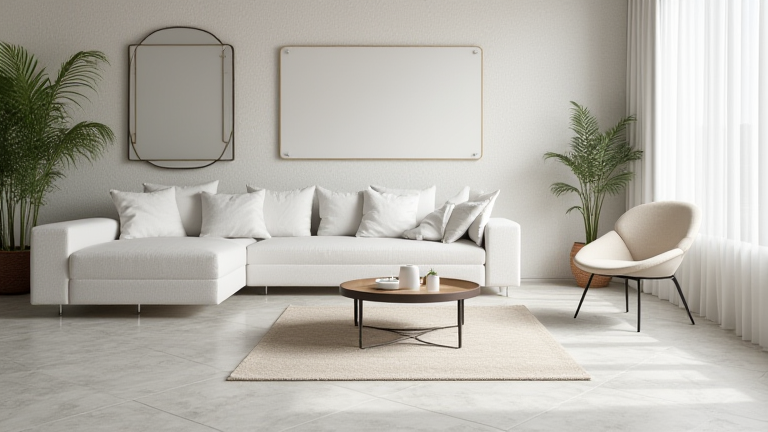
TL;DR: Porcelain decor isn’t just for grandma’s china cabinet—it’s a versatile, tactile way to add quiet luxury to any room. Choose sculptural vases, textured dinnerware, and matte-finish accessories to instantly elevate your space with a travel-worthy, artisan aesthetic.
The Art of the Pause: Why Porcelain Feels Like a Vacation
In a world of mass-produced resin and plastic, porcelain is a rebellion. It carries the memory of kilns, of hands shaping clay, of centuries-old traditions from Jingdezhen to Limoges. Bringing porcelain into your home is less about decoration and more about curating a personal museum of moments. Think of it as a cultural passport: a single celadon bowl can whisper of a tea ceremony in Kyoto, while a hand-painted Delft plate evokes Dutch canal mornings. This material forces a slower pace—you handle it with care, you notice its glaze, its weight. That mindfulness is the true luxury.
If you want to dig deeper, check out our guide on Why the Crocs Jibbitz Charm Trend Is Reshaping Sneaker Cultu.
Curating a Global Palette: From Table to Mantel
Start with the dining table, the heart of cultural exchange. Swap your everyday stoneware for porcelain dinnerware with a reactive glaze—each piece slightly uneven, like a handmade souvenir. Layer in a platter with a cobalt blue fish motif for a Mediterranean feel, or use small porcelain ramekins as spice holders to mimic a Moroccan souk. For the living room, look beyond vases. Consider a porcelain side table with a glossy, ink-wash finish; it becomes a sculpture that holds your coffee mug. On a mantel, group three objects of varying heights: a faceted bud vase, a smooth, egg-shaped trinket box, and a textured “crumpled paper” bowl. The interplay of light on the high-fire glaze creates a shadow play that changes with the sun—a tiny, daily performance.
Personal Growth Through Imperfection: The Wabi-Sabi Edit
Adopting porcelain decor is also a lesson in acceptance. Unlike glass, porcelain can chip but remains beautiful—the crack becomes a story. Embrace the Japanese philosophy of kintsugi: if a piece breaks, repair it with gold lacquer rather than hiding the flaw. This transforms your decor into a metaphor for resilience. For a more practical growth angle, challenge yourself to a “one-in, one-out” rule for decorative objects, using only porcelain for a month. You’ll become a better editor of your own space, learning to value fewer, better things. When you travel, instead of buying a fridge magnet, bring home a small porcelain tile from a local artisan. Each piece anchors a memory, making your home a living travel journal—no filter required.
Styling for the Senses: Texture and Sound
Finally, don’t forget the auditory and tactile dimensions. Porcelain clinks with a bell-like resonance—place a set of thin-walled cups on a tray and let them gently sing when you set them down. Mix matte and glossy finishes in the same room for contrast: a matte black porcelain lamp base beside a glossy white catchall. These micro-decisions create a sensory richness that no digital mood board can replicate. The goal is not perfection but presence—a home that feels like a slow, deliberate journey, one beautiful object at a time.
FAQ
Q: How do I clean porcelain decor without damaging the glaze?
A: Use warm water, mild dish soap, and a soft microfiber cloth. Avoid abrasive scrubbers and harsh chemical cleaners; for stubborn stains, soak briefly in a baking soda paste, then rinse and dry immediately.
Q: Is porcelain decor too fragile for homes with kids or pets?
A: Not necessarily—choose heavier, low-center-of-gravity pieces (like solid vases or bookends) and place them on stable surfaces away from edges. For high-traffic zones, opt for matte, unglazed porcelain, which shows fewer fingerprints and is less slippery.
Q: Can I mix porcelain with other materials like wood or metal?
A: Absolutely. Por
Leave a Reply