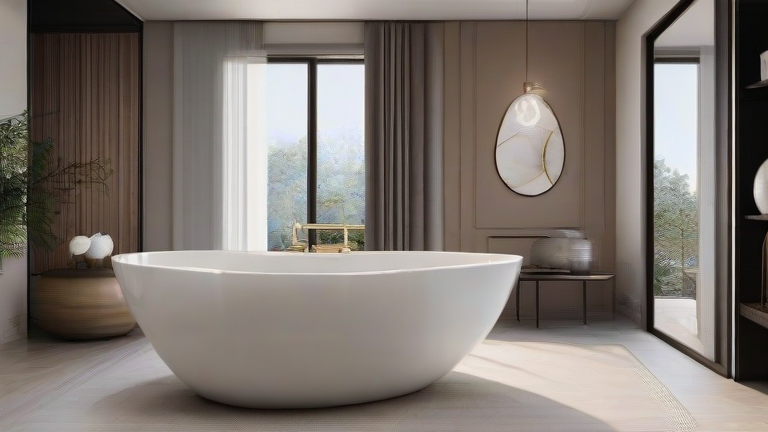
Elevate Your Home: Timeless Porcelain Decor Ideas for Modern Lifestyles
TL;DR: Porcelain decor blends timeless elegance with modern functionality, offering a sophisticated way to curate your living space. By selecting minimalist vases, statement plates, and sculptural accents, you can create a harmonious home that reflects both personal style and cultural appreciation.
The Renaissance of Porcelain in Modern Homes
In an era dominated by digital noise and fast-paced living, the tactile beauty of porcelain offers a grounding presence. Unlike mass-produced plastics or harsh metals, porcelain possesses a unique weight and luster that commands attention. It serves as a bridge between historical craftsmanship and contemporary design, making it an ideal medium for those seeking to infuse their homes with character without sacrificing modern aesthetics. The key to integrating porcelain lies in understanding its versatility. It is not merely a material for dining; it is a canvas for artistic expression that can anchor a room’s design theme.
If you want to dig deeper, check out our guide on Timeless Porcelain Decor: Elevate Your Home with Chic Lifest.
Curating a Minimalist Aesthetic
For those drawn to clean lines and open spaces, porcelain is the perfect complement. Choose vessels in matte white or soft pastel tones to maintain visual calm. A single, oversized ceramic vase on a low console table can serve as a focal point, drawing the eye without overwhelming the senses. The smooth finish of high-quality porcelain reflects light subtly, enhancing the natural illumination of a room. When selecting pieces for a minimalist setup, focus on form over function. Abstract shapes and asymmetrical designs add interest while adhering to the principle of less is more. This approach ensures that every piece on display is intentional, contributing to a serene and organized environment that promotes mental clarity and relaxation.
Adding Cultural Depth Through Artisan Pieces
Porcelain carries a rich cultural history, particularly in East Asian traditions where it is revered for its purity and durability. Incorporating artisan-made pieces allows you to bring a sense of global heritage into your home. Look for hand-thrown bowls or teapots that display subtle imperfections, known as wabi-sabi, which celebrate the beauty of natural aging and unique craftsmanship. These items tell a story and invite conversation, transforming your dining area into a cultural hub. Pairing traditional patterns with modern furniture creates a dynamic contrast that feels both grounded and forward-thinking. This blend of old and new not only decorates your space but also enriches your daily rituals, turning simple acts like drinking tea or serving dinner into mindful experiences that connect you to broader cultural narratives.
Functional Art for Daily Living
One of the greatest advantages of porcelain is its durability and ease of maintenance. Modern lifestyles demand decor that can withstand daily use without losing its luster. High-fired porcelain is resistant to stains and chipping, making it practical for busy households. Use porcelain plates as wall art, arranging them in a grid or scattered pattern to create a gallery wall that changes with the seasons. Similarly, decorative jars can hold dry goods, adding an organic element to your kitchen storage. By treating functional items as decorative assets, you maximize the utility of your space while maintaining a cohesive aesthetic. This seamless integration ensures that your home remains beautiful even in the midst of everyday chaos, proving that elegance and practicality can coexist effortlessly.
FAQ
Q: How do I clean porcelain decor to maintain its shine?
A: Use a soft, damp cloth and mild soap for gentle cleaning, avoiding abrasive scrubbers that could scratch the glaze.
Q: Can porcelain decor be used in outdoor spaces?
A: Most porcelain is not frost-resistant, so it is best kept indoors or in covered patios to prevent cracking from temperature changes.
Q: What colors of porcelain work best in small apartments?
A: Lighter tones such as white, cream, or pale gray help reflect light and make smaller spaces feel more open and airy.
Leave a Reply