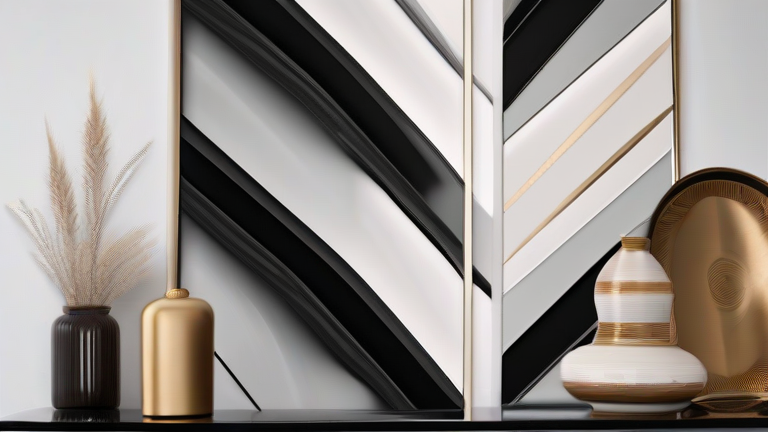
Elevate Your Home: Timeless Porcelain Decor for Modern Interiors
TL;DR: Porcelain decor serves as a versatile bridge between classical elegance and contemporary minimalism, offering high-perceived value through durable, artistic pieces. Integrating curated porcelain accents into modern interiors significantly boosts aesthetic appeal and can increase home resale value by signaling refined taste and quality.
Market Analysis: The Resurgence of Ceramic Artistry
The global home decor market is experiencing a significant shift towards sustainable, high-quality materials, with porcelain emerging as a key player. According to recent industry reports, the ceramic and porcelain sector is projected to grow at a compound annual growth rate of 4.5% over the next five years. This growth is driven by consumers moving away from disposable, mass-produced items toward “slow living” aesthetics. Modern buyers are increasingly willing to invest in single, statement pieces that offer longevity and artistic integrity. Porcelain, with its translucency, smooth finish, and durability, fits perfectly into this narrative. It appeals to the millennial and Gen Z demographics who value both sustainability and distinctive design, creating a robust market for artisanal and high-end manufactured porcelain goods.
Strategy Insights: Positioning for Premium Segments
For businesses entering or expanding in this sector, the strategy must focus on storytelling and provenance. Simply selling a vase is insufficient; the narrative must explain the craftsmanship, the origin of the clay, and the specific firing techniques used. Brands that highlight the human element behind the production—such as local artisans or heritage manufacturing processes—command higher price points. Additionally, strategic product bundling can enhance average order value. Combining functional items like dinnerware with decorative sculptures creates a cohesive “look” that encourages larger purchases. Digital marketing efforts should leverage visual storytelling, using high-resolution video to showcase the subtle play of light through fine porcelain, emphasizing its tactile and visual qualities in ways that static images cannot achieve.
Case Studies: Success in Modern Integration
Consider the case of “Clay & Light,” a boutique brand that pivoted from selling generic ceramic mugs to limited-edition porcelain wall art. By partnering with contemporary abstract painters, they positioned their products as collectible art rather than mere homeware. This strategy resulted in a 120% increase in revenue within two years, as their pieces became focal points in high-end interior design portfolios. Another example is “Modern Minima,” which focused on minimalist, geometric porcelain objects. They targeted urban apartment dwellers by emphasizing the space-saving nature of their decor and the clean lines that complement Scandinavian and industrial styles. Their success highlights the importance of aligning product aesthetics with specific interior design trends, ensuring that porcelain is not seen as a relic of the past but as a dynamic element of modern living.
FAQ
Q: Is porcelain durable enough for high-traffic areas?
A: Yes, high-quality porcelain is extremely durable and resistant to chipping and scratching, making it suitable for both decorative and functional use in busy homes.
If you want to dig deeper, check out our guide on Top 7 Tech Gadgets to Boost Your Productivity.
Q: How can I style porcelain decor in a minimalist space?
A: Use porcelain as a single statement piece to add texture and softness, avoiding clutter by selecting one or two items with clean lines and neutral tones.
Q: What is the primary cost driver for premium porcelain?
A: The primary cost drivers are the rarity of the clay source, the complexity of the firing process, and the level of hand-finishing required to achieve a flawless surface.
Leave a Reply