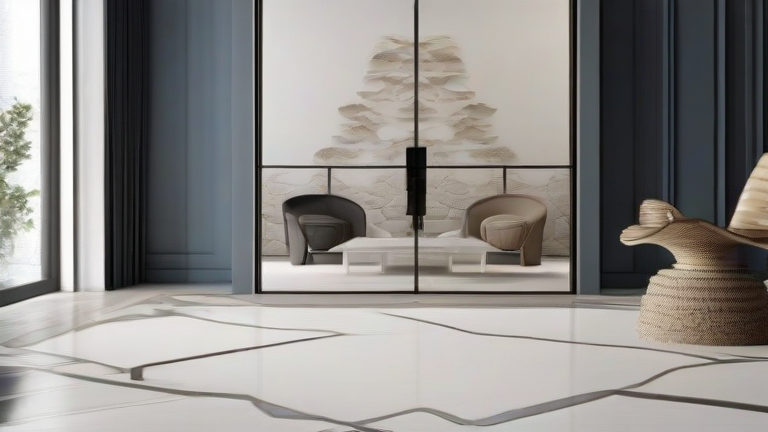
TL;DR: Style porcelain decor by mixing it with organic textures (wood, linen, rattan) and layering it in odd-numbered groups at varying heights. Focus on placement near natural light and balance glossy pieces with matte, neutral backgrounds to let the ceramic’s form shine.
Step 1: Choose a Color Story
Porcelain ranges from stark white to deep celadon, cobalt, or blush. Pick one dominant hue and two neutrals (e.g., ivory, taupe, charcoal). If your pieces are hand-painted, pull a single accent color from the pattern and repeat it in pillows, throws, or a vase of dried flowers. Avoid clashing pastels—porcelain looks best when it’s the quiet star, not the loudest element.
If you want to dig deeper, check out our guide on Healthy Home: How Porcelain Decor Boosts Your Well-Being.
Step 2: Curate a Mix of Forms, Not Matches
Do not buy a full matching tea set. Instead, collect one tall ginger jar, a low footed bowl, a slender bud vase, and a sculptural figurine. The magic happens in contrast: pair a round, bulbous teapot with a tall, angular vase. Mix glazed (shiny) with unglazed (matte) finishes. For example, place a glossy white swan next to a matte sage-green plate—this creates tactile tension that feels curated, not accidental.
Step 3: Use the Rule of Three (or Five) for Styling
Group porcelain in odd numbers. On a console table, place a tall vase at the back left, a medium bowl in the center, and a small dish at the front right. Vary heights by stacking a book or a wooden pedestal under one piece. For a shelf, use five items: a large urn, two small cups, a plate leaning against the wall, and a tiny trinket box. Leave empty negative space around each group—porcelain needs breathing room to avoid looking cluttered.
Step 4: Layer with Natural Textures
Porcelain is cold and smooth, so balance it with warm, rough materials. Put a porcelain bowl on a linen runner or a raw-edge wood sideboard. Add a woven rattan tray under a teapot. Place a ceramic vase in front of a stack of leather-bound books. Never put porcelain directly on glass or marble—it amplifies the coldness. Instead, use a bamboo mat, cotton doily, or seagrass coaster to create a visual “anchor.”
Step 5: Direct the Eye with Lighting
Porcelain reflects light beautifully, so position pieces near a window or a floor lamp. A glossy celadon vase will catch morning sun; a matte white figurine will look sculptural under warm evening light. Avoid harsh overhead spots—they create glare. Instead, use a picture light above a shelf or a table lamp with a translucent shade. If you have a backlit niche or a glass-front cabinet, that’s ideal for displaying a single hero piece.
Step 6: Functional Styling—Use, Don’t Just Display
Porcelain can be utilitarian. Use a lidded jar to store cotton balls in the bathroom, a large platter as a catch-all for keys, or a small bowl for rings on your nightstand. In the dining room, stack porcelain plates on a wooden rack or lean them against a backsplash. This makes the decor feel lived-in, not museum-like. Just ensure the pieces are food-safe if you plan to serve with them.
Step 7: Rotate Seasonally
Porcelain is durable, so swap pieces with the seasons. In spring, use pastel floral vases with fresh tulips. In autumn, swap in deep amber or iron-red pieces with dried branches. Keep a few neutral pieces year-round, but rotate the accent items to keep the space fresh. Store off-season pieces in soft cloth, not stacked—chips happen fast.
FAQ
Q: Can I mix porcelain with other ceramics like stone
Leave a Reply