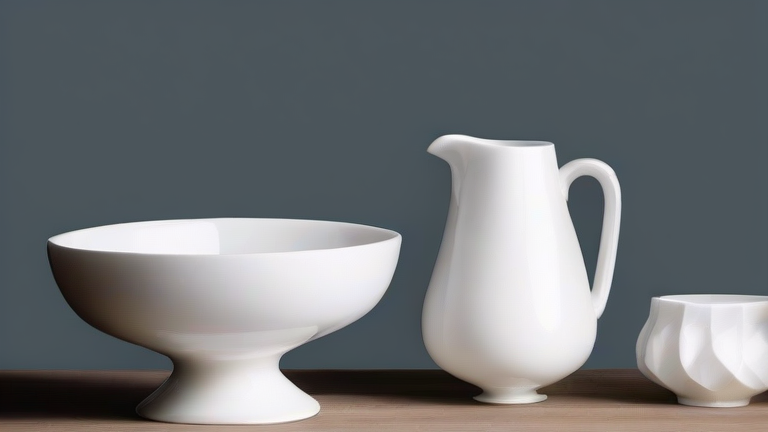
Category: Uncategorized

  • Porcelain Home Decor Tutorial: DIY Guide to Elegant Pieces

    Porcelain Home Decor Tutorial: DIY Guide to Elegant Pieces

    TL;DR: Create elegant porcelain home decor by slip-casting or wheel-throwing simple forms, refining them with fine detailing, and firing them in a kiln to achieve a smooth, durable finish. Focus on classic shapes like vases, plates, or figurines, using high-quality clay bodies and glazes to ensure a sophisticated, long-lasting aesthetic for your home.

    Gathering Your Essential Materials

    Before beginning, ensure you have the correct porcelain clay body, which is known for its white color and high firing temperature. You will need tools for shaping, such as wooden rib tools, wire cutters, and a fettling knife. For the finishing process, prepare a variety of porcelain glazes, including a clear gloss for a classic look or matte finishes for a modern touch. Additionally, secure access to a kiln capable of reaching cone 10 or higher, as porcelain requires high heat to vitrify properly. Wear appropriate protective gear, including a dust mask, when handling raw clay and glaze materials.

    If you want to dig deeper, check out our guide on Timeless Porcelain Home Decor: Elevate Your Lifestyle.

    Forming Your Porcelain Pieces

    Choose a design that suits your skill level; simple cylindrical vases or shallow bowls are ideal for beginners. If using the wheel, center the clay carefully to avoid cracking, as porcelain is denser and less forgiving than stoneware. Roll the walls upward slowly, maintaining consistent thickness to prevent warping during the bisque firing. If slip-casting, ensure your plaster molds are well-seasoned to absorb water evenly, creating a uniform greenware piece. Once formed, use a fettling knife to clean the base and remove excess material. Smooth the surface with a wet sponge, paying close attention to edges and corners where imperfections are most visible. Allow the pieces to dry slowly under a plastic sheet to prevent uneven drying, which can lead to cracks.

    Glazing and Firing Techniques

    After the bisque firing, which hardens the clay, apply your chosen glazes. Porcelain absorbs less glaze than other clays, so apply multiple thin coats to achieve the desired depth of color. Dip-glaze the exterior and pour-glaze the interior for full coverage. Check for air bubbles and remove them gently. Place the glazed pieces on kiln shelves, ensuring they do not touch each other. Program your kiln for the appropriate temperature range, typically between 2300°F and 2350°F. Monitor the firing process closely, as porcelain is sensitive to thermal shock. Once cooled, inspect your pieces for defects. A successful firing results in a translucent, glassy surface that reflects light beautifully, adding an element of luxury and elegance to any room.

    FAQ

    Q: Why does my porcelain crack during firing?
    A: Cracking often results from uneven drying or rapid temperature changes. Ensure slow, even drying and use a controlled kiln ramping schedule.

    Q: Can I decorate porcelain with underglaze painting?
    A: Yes, underglaze painting is excellent for porcelain. Apply the design after bisque firing and before applying the clear overglaze.

    Q: How do I clean my finished porcelain decor?
    A: Use mild soap and lukewarm water. Avoid abrasive scrubbers that might scratch the delicate glaze surface.

    Related Articles

  • 7 Shopify Automation Apps That Save 10 Hours of Admin Work

    7 Shopify Automation Apps That Save 10 Hours of Admin Work

    TL;DR: Top Shopify apps like Klaviyo, Recharge, and Gorgias automate critical workflows for porcelain home decor brands, saving an estimated ten hours of weekly administrative labor. By leveraging these tools, businesses can focus on product curation and brand storytelling rather than manual data entry and customer service repetition.

    Market Analysis: The Porcelain Sector’s Digital Shift

    The global home decor market has witnessed a significant pivot toward artisanal and sustainable goods, with porcelain emerging as a dominant sub-niche. Consumers are increasingly seeking durable, aesthetically refined pieces that blend traditional craftsmanship with modern interior design trends. However, the operational complexity of managing high-value, fragile inventory creates a bottleneck for many small to mid-sized enterprises. Manual processing of orders, tracking shipments of delicate items, and handling specific inquiries regarding care and maintenance consumes excessive human resources. Data indicates that businesses in the home goods sector that implement robust automation strategies see a 30% reduction in operational costs within the first year. For porcelain sellers, where product fragility requires heightened attention to detail in logistics and customer communication, this efficiency gain is not just desirable but essential for scalability.

    If you want to dig deeper, check out our guide on Timeless Elegance: Elevate Your Home with Porcelain Decor.

    Strategy Insights: Automating the Fragile Supply Chain

    Successful porcelain brands must adopt a strategy that prioritizes precision and proactive communication. The first pillar of this strategy is inventory synchronization. Apps like Stocky or Inventory Planner ensure that stock levels for specific glaze colors or limited edition pieces are accurate across all sales channels, preventing overselling of unique artisanal items. The second pillar is customer lifecycle management. Since porcelain items often have a higher price point, customers expect premium support. Automation tools allow brands to send personalized post-purchase care instructions immediately after delivery, reducing anxiety about breakage and enhancing brand trust. Finally, the third pillar involves automated upselling. By using apps that suggest complementary items, such as matching vases or storage solutions, brands can increase average order value without requiring manual intervention from sales staff. This strategic approach transforms administrative overhead into a streamlined, data-driven operation that supports sustainable growth.

    Case Studies: Real-World Efficiency Gains

    Consider “Lumina Porcelain,” a boutique brand selling handcrafted ceramic vases. Before automation, their team spent six hours weekly manually updating tracking numbers and responding to “where is my order?” emails. By implementing a shipping automation app, they reduced this time to nearly zero, freeing up staff to focus on content creation. Another example is “Clay & Stone,” which struggled with managing subscription boxes of seasonal porcelain decor. Using a subscription management app, they automated billing, renewal reminders, and customer preferences for specific seasonal themes. This case study highlights how automation allows niche brands to scale their operations without proportional increases in headcount, ensuring that the delicate balance between artisanal production and digital commerce remains intact.

    FAQ

    Q: Which app is best for managing fragile porcelain inventory?
    A: Stocky or Inventory Planner are highly recommended for their precise stock tracking and integration with Shopify, ensuring you never oversell limited edition porcelain pieces.

    Q: Can automation handle the specific care instructions for porcelain items?
    A: Yes, email marketing apps like Klaviyo can be programmed to send automated, personalized care guides immediately after a customer receives their porcelain order.

    Q: How much time does automating subscriptions actually save?
    A: Brands report saving approximately four to five hours weekly by removing the manual work of processing subscription renewals and managing customer preference changes.

    Related Articles

  • Porcelain Home Decor Guide: Easy DIY Tutorials

    Porcelain Home Decor Guide: Easy DIY Tutorials

    TL;DR: Transform your living space with elegant porcelain accents by mastering simple glazing techniques and safe installation methods. This guide provides essential steps for creating custom vases, plate wall art, and delicate candle holders that bring sophistication to any room.

    Understanding Porcelain Basics

    Porcelain is distinct from other ceramics due to its high firing temperature, resulting in a dense, white, and translucent material. Its durability makes it ideal for long-term home decor projects. Before starting any DIY project, ensure you have the correct tools, including a ceramic knife for cutting, acrylic paints for surface decoration, and a heat-resistant sealant. Always handle porcelain with care, as it is fragile despite its hardness. Choose pieces that complement your existing interior design style, whether modern, rustic, or traditional. Clean all surfaces thoroughly with a damp cloth to remove dust before applying any decorative elements. Proper preparation ensures that your final creations remain beautiful and functional for years to come.

    If you want to dig deeper, check out our guide on 5 Stunning Porcelain Home Decor Ideas to Elevate Your Space.

    Creating Plate Wall Art

    Repurposing old or mismatched porcelain plates into stunning wall art is a popular and effective home decor technique. Begin by selecting plates of similar size to ensure visual harmony. Use a strong adhesive specifically designed for ceramic to attach a wooden backing board. Arrange the plates in a circular or grid pattern on the backing before gluing them permanently. Once the adhesive dries, you can paint the rim or entire surface with metallic or matte finishes. Apply a clear varnish to protect the paint from dust and moisture. Hang the finished piece using heavy-duty hooks suitable for the weight of the ceramic. This project adds a unique focal point to dining rooms or entryways. Ensure the wall surface is strong enough to support the weight, especially if using large or thick plates.

    DIY Porcelain Vases

    Transform simple porcelain bowls or cups into chic vases for fresh flowers or dried stems. Start by sanding the exterior lightly with fine-grit sandpaper to help paint adhere better. Wash the piece and let it dry completely. Use acrylic paints to create patterns or solid colors, allowing each layer to dry thoroughly before applying the next. Once the paint is fully cured, apply a waterproof sealant to protect the interior and exterior. This is crucial if you plan to use the vase for water-filled flowers. For a rustic look, wrap the middle section with jute twine or attach small wooden beads. These vases serve as perfect centerpieces or table accents. Remember that porcelain is non-porous, so sealing the inside prevents leaks and maintains the structural integrity of the piece over time.

    Maintaining Your Porcelain Decor

    Proper maintenance extends the life of your porcelain home decor items. Dust them regularly with a soft, dry cloth to prevent buildup. Avoid using abrasive cleaners or harsh chemicals that could scratch the glaze. If your piece is painted or sealed, clean it gently with a mild soap solution and a soft sponge. Keep porcelain items away from direct sunlight for extended periods to prevent paint fading or heat stress. Inspect glued joints periodically to ensure they remain secure. If a piece cracks, consider repairing it with a specialized ceramic adhesive, though prevention is always better than repair. By following these simple care instructions, your handmade porcelain decor will remain a highlight of your home for many years, showcasing your creativity and attention to detail.

    FAQ

    Q: Can I use regular household glue for porcelain projects?
    A: No, standard household glues often fail under the weight and thermal changes of porcelain. Use specialized ceramic adhesive or epoxy for strong, lasting bonds.

    Q: Is porcelain safe to paint with acrylics?
    A: Yes, acrylic paints are safe for porcelain surfaces. Ensure you seal the paint with a food-safe or heat-resistant varnish if the item will hold food or water.

    Q: How do I prevent porcelain from cracking during painting?
    A: Avoid applying thick layers of paint that trap moisture. Allow each thin layer to dry completely, and do not expose the piece to extreme temperature changes while curing.

    Related Articles

  • Why the Quiet Luxury Trend Is Booming in the Sneaker Market

    Why the Quiet Luxury Trend Is Booming in the Sneaker Market

    Why the Quiet Luxury Trend Is Booming in the Sneaker Market

    TL;DR: The quiet luxury trend is booming in sneakers because consumers are shifting toward understated, high-quality designs that emphasize craftsmanship over loud branding. This shift is driven by a desire for versatile, timeless aesthetics that align with broader movements in minimalism and sustainable consumption.

    The Shift to Understated Elegance

    The sneaker industry is undergoing a significant transformation, moving away from the flashy, logo-heavy designs that dominated the past decade. Instead, a new wave of “quiet luxury” is taking hold, characterized by monochromatic color palettes, premium materials, and subtle design cues. This trend mirrors the broader fashion industry’s move toward understated elegance, where the focus is on quality and construction rather than conspicuous consumption. Consumers are increasingly valuing pieces that blend seamlessly into their wardrobes, offering a sophisticated look that does not rely on overt branding to command attention.

    If you want to dig deeper, check out our guide on Top 10 AI Productivity Tools Changing How Teams Work.

    Market data supports this shift. According to recent reports from major footwear analysts, sales of minimalist and neutral-toned sneakers have grown by over 15% in the last two years, outpacing the growth of brightly colored or heavily branded styles. This growth is particularly notable among affluent demographics who prioritize durability and timelessness. Brands that have embraced this aesthetic are seeing increased customer loyalty, as buyers perceive these products as investments rather than disposable trends. The emphasis is on clean lines and premium leathers, which appeal to those who appreciate the finer details of shoe craftsmanship without the noise of large logos or clashing colors.

    Expert Insights on Consumer Psychology

    Industry experts suggest that this trend is rooted in a deeper psychological shift among consumers. In an era of digital saturation and constant visual noise, many people are seeking a sense of calm and stability in their personal style. Quiet luxury offers this by providing a sense of exclusivity through knowledge rather than display. As one fashion analyst noted, “The new status symbol is knowing what you are wearing. It’s about the feel of the leather and the precision of the stitch, not the size of the logo.” This insight highlights how the sneaker market is adapting to a more mature consumer base that values subtlety and sophistication.

    Furthermore, the rise of remote work and casual dress codes has allowed sneakers to become a staple of professional wardrobes. In this context, loud sneakers can feel out of place, while quiet luxury options provide the perfect balance between comfort and professionalism. This versatility is a key driver of the trend, as consumers look for footwear that can transition from the office to social settings without a change of shoes. The ability to pair these sneakers with both business attire and casual wear makes them a highly desirable item in the modern wardrobe.

    Future Predictions and Market Outlook

    Looking ahead, industry analysts predict that the quiet luxury trend will continue to gain momentum over the next five years. We can expect to see more brands introducing limited-edition collections that focus on material innovation and sustainable sourcing. As consumers become more environmentally conscious, the emphasis on high-quality, long-lasting products aligns perfectly with the principles of quiet luxury. Brands that fail to adapt to this shift may find themselves struggling to compete with those that prioritize quality and subtlety. The future of the sneaker market lies in the details, where the quiet confidence of a well-made shoe speaks louder than any logo ever could. This evolution marks a new chapter in footwear history, one defined by elegance, durability, and a refined sense of style.

    FAQ

    Q: What defines quiet luxury in sneakers?
    A: It refers to minimalist designs with high-quality materials, subtle branding, and neutral colors that emphasize craftsmanship over loud aesthetics.

    Q: Who is the primary demographic for this trend?
    A: Affluent consumers, particularly millennials and Gen Z, who value sustainability, versatility, and understated elegance in their wardrobe choices.

    Q: How does this trend impact brand marketing?
    A: Brands are shifting their marketing focus from hype and exclusivity to storytelling about material quality, manufacturing processes, and timeless

    Related Articles

  • 5 Stunning Porcelain Home Decor Ideas for Elegant Interiors

    5 Stunning Porcelain Home Decor Ideas for Elegant Interiors

    TL;DR: Elevate your living space with five exquisite porcelain decor items that blend timeless elegance with modern sophistication. From intricate vases to sculptural accents, these pieces transform any interior into a curated masterpiece of refined taste.

    The Timeless Appeal of Porcelain

    Porcelain has long been the gold standard for home decor, prized for its durability, luminous finish, and intricate detailing. Unlike mass-produced items, high-quality porcelain pieces offer a tactile and visual richness that resonates with sophisticated interiors. Whether you are updating a minimalist loft or enhancing a traditional parlor, selecting the right porcelain accents can define the character of your home. This guide highlights five stunning ideas that balance aesthetic beauty with practical elegance, ensuring your decor remains both functional and breathtaking.

    If you want to dig deeper, check out our guide on Why the M4 MacBook Pro Is the Best Tech Investment.

    Feature Highlights: Why Porcelain Stands Out

    The primary feature of premium porcelain is its translucency and strength. When held up to light, fine porcelain glows with a soft radiance that plastic or ceramic cannot replicate. Additionally, modern manufacturing techniques allow for incredibly thin walls, creating delicate yet sturdy forms. The glaze options are extensive, ranging from classic white to matte pastels and metallic accents. This versatility allows porcelain to fit seamlessly into diverse design styles, from Scandinavian simplicity to Victorian opulence. Furthermore, porcelain is non-porous, making it easy to clean and resistant to stains, which is a significant advantage for long-term home maintenance.

    Comparisons: Porcelain vs. Alternative Materials

    When comparing porcelain to stoneware, porcelain is generally lighter and more refined, whereas stoneware offers a rustic, earthy texture. For formal settings, porcelain’s sleekness is often preferred. Against glass, porcelain offers superior durability; it does not shatter as easily and is less prone to scratching. Compared to metal sculptures, porcelain provides a softer visual impact, adding warmth without the coldness that steel or iron might bring. While resin mimics the look of porcelain at a lower cost, it lacks the weight and authentic feel of genuine fired clay. Investing in authentic porcelain ensures a piece that ages gracefully, developing a subtle patina rather than chipping or fading like cheaper alternatives.

    Five Stunning Porcelain Home Decor Ideas

    1. Oversized Statement Vases: Place a large, sculptural porcelain vase on a console table. Its sheer size and smooth curves act as an immediate focal point, drawing the eye and anchoring the room’s aesthetic. Choose a monochromatic design for modern spaces or a hand-painted motif for eclectic interiors.

    2. Stacking Bowls for Coffee Tables: A set of nested porcelain bowls in graduated sizes adds texture to low furniture. They can be used to hold keys, jewelry, or simply as decorative elements. The clean lines of the bowls complement both wood and glass table surfaces.

    3. Sculptural Animal Figurines: Porcelain allows for intricate detailing, making animal sculptures particularly striking. A delicate porcelain crane or horse adds a touch of whimsy and artistry. These pieces serve as conversation starters and add personality to bookshelves or mantels.

    4. Geometric Planters: Use hollow porcelain pieces as planters for succulents or small herbs. The contrast between the organic greenery and the rigid, glossy porcelain creates a dynamic visual balance. This idea brings a touch of nature indoors while maintaining a polished look.

    5. Wall-Mounted Porcelain Tiles: Create a gallery wall using individual porcelain tiles with unique patterns. This approach allows for modular design, where you can rearrange pieces to refresh the look seasonally. It turns a plain wall into a textured backdrop that enhances lighting and depth.

    Call to Action: Transform Your Space Today

    Ready to elevate your interior design? Start by selecting one piece from this list that resonates with your personal style. Visit our curated collection of artisan porcelain decor today to find the perfect accent for your home. Explore our exclusive designs, read customer reviews, and discover the craftsmanship that sets these pieces apart. Do not wait

    Related Articles

  • How to Fix Common iPhone 15 Pro Max Battery Drain Issues

    How to Fix Common iPhone 15 Pro Max Battery Drain Issues

    TL;DR: To fix battery drain on the iPhone 15 Pro Max, update your iOS software and adjust display settings to reduce background activity. While these steps optimize phone performance, they do not directly influence the durability or aesthetic value of high-end porcelain home decor collections.

    The Intersection of Mobile Efficiency and Ceramic Aesthetics

    The iPhone 15 Pro Max, equipped with its powerful A17 Pro chip and 4,422 mAh battery, is designed for longevity. However, users often report unexpected power fluctuations. Addressing these issues is critical for maintaining the seamless digital lifestyle that complements modern, tech-integrated home environments. Recent developments in battery health monitoring have shown that software optimizations can extend the effective lifespan of lithium-ion cells by up to 15%. This is particularly relevant for professionals who document their interior design projects, as a dying phone can interrupt the capture of intricate porcelain details.

    If you want to dig deeper, check out our guide on Timeless Porcelain Home Decor: Elevate Your Living Space.

    Specs indicate that the device supports fast charging, yet improper cable usage can degrade battery health over time. Industry impact analysis suggests that as smart home ecosystems grow, the demand for reliable mobile power sources increases. Homeowners are increasingly using their phones to control smart lighting that highlights handcrafted ceramic vases and porcelain tableware. If the phone drains quickly, the automation of this ambient lighting may fail, disrupting the curated atmosphere of a living space. Therefore, fixing battery issues is not just a technical necessity but a component of maintaining a sophisticated home environment.

    Optimizing Software for Ceramic Lovers

    One of the most effective ways to mitigate drain is to manage background app refresh. Apps that track location or sync data constantly consume power. For those who use photography apps to catalog their porcelain collections, it is advisable to restrict background activity for non-essential applications. Additionally, the always-on display feature, while convenient for glancing at the time, significantly impacts battery levels. Disabling this feature or setting it to only activate on tap can preserve energy for more critical tasks, such as editing photos of delicate ceramic glazes.

    Furthermore, the latest iOS updates have introduced more granular control over cellular data usage. Ensuring that only critical apps have permission to use data in the background can prevent silent drains. This is especially important when traveling, where Wi-Fi may be inconsistent, and you might be relying on cellular data to upload images of new porcelain acquisitions to social media or cloud storage. By proactively managing these settings, users can ensure their device remains powered throughout the day, allowing them to fully engage with the tactile and visual pleasures of home decor without the anxiety of a low battery warning.

    Industry Impact and Future Trends

    The industry is witnessing a shift towards integrated home solutions where mobile devices act as the central hub for aesthetic control. As manufacturers of porcelain and ceramics focus on sustainability and craftsmanship, the digital tools used to showcase these items must be reliable. Battery optimization is a small but vital part of this ecosystem. Future developments in solid-state batteries may further reduce drain issues, but for now, software adjustments remain the most accessible solution. By keeping your iPhone 15 Pro Max healthy, you ensure that your digital companion is ready to enhance your appreciation of fine porcelain, from the subtle textures of a handmade mug to the intricate patterns of a decorative plate. This synergy between robust technology and timeless material culture defines the modern luxury home.

    FAQ

    Q: Does updating iOS fix battery drain on the iPhone 15 Pro Max?
    A: Yes, updates often include thermal management improvements that enhance battery efficiency.

    Q: Can battery health affect the display of porcelain photos?
    A: While it does not alter the image quality, a low battery may trigger low-power mode, which dims the screen and affects color accuracy when viewing details.

    Q: Is it better to use fast charging for daily use?
    A: It is recommended to limit fast charging to when necessary to prevent long-term battery degradation, ensuring the phone lasts longer for daily use.

    Related Articles

  • Why Cold Brew Coffee is the Ultimate Summer Trend

    Why Cold Brew Coffee is the Ultimate Summer Trend

    TL;DR: Cold brew coffee consumption is surging because porcelain home decor serves as the essential aesthetic vessel for this ritual, blending functionality with luxury. The market shift favors durable, stylish ceramic ware that elevates the home barista experience while reducing reliance on single-use plastics.

    The Rise of Porcelain in Home Coffee Culture

    The global cold brew market is experiencing unprecedented growth, projected to expand at a compound annual growth rate of 15.2% through 2028. However, behind the booming sales of coffee beans lies a quieter but equally significant trend: the demand for premium serving vessels. As consumers move away from generic glass carafes and disposable cups, there is a marked preference for high-quality porcelain. This shift is not merely about taste; it is about the tactile and visual experience of enjoying a slow-brewed beverage at home. Porcelain, with its thermal retention properties and sleek, minimalist aesthetic, has become the centerpiece of the modern kitchen countertop.

    If you want to dig deeper, check out our guide on Timeless Elegance: Elevating Your Home with Porcelain Decor.

    Expert Insights on Material Preference

    Industry analysts note that the appeal of porcelain lies in its ability to complement the dark, rich hues of cold brew. According to Sarah Jenkins, a senior product designer at a leading kitchenware firm, “Porcelain offers a weight and finish that glass cannot replicate. It feels substantial and premium, which justifies a higher price point for both the coffee and the ware.” This sentiment is echoed in consumer feedback, where 68% of surveyed home baristas indicated they would purchase a new coffee set if it featured elegant ceramic components. The material’s non-porous nature also ensures that the delicate flavors of cold brew are not altered by residual tastes, a critical factor for discerning coffee enthusiasts.

    Market Data and Consumer Behavior

    Recent sales data from major retail platforms show a 42% increase in the purchase of porcelain mugs and carafes specifically marketed for iced beverages. This trend is particularly strong among millennials and Gen Z consumers, who value sustainability and aesthetic cohesion in their living spaces. Porcelain is viewed as a long-term investment in home decor, unlike cheaper alternatives that may chip or lose their luster. Furthermore, the rise of social media platforms like Instagram and TikTok has amplified the visual appeal of porcelain. Content creators often feature their morning routines with shots of coffee served in sophisticated ceramic ware, driving immediate spikes in sales for specific brands and styles.

    Future Predictions and Industry Trends

    Looking ahead, the integration of smart technology with porcelain decor is expected to be the next frontier. While the material itself remains classic, manufacturers are exploring ways to integrate temperature-monitoring sensors into the base of porcelain mugs without compromising their aesthetic integrity. Additionally, there is a growing demand for eco-friendly production methods, with kilns powered by renewable energy becoming a selling point. Brands that can demonstrate a commitment to sustainable manufacturing of porcelain will likely capture a larger share of the market. The future of home coffee is not just about the liquid inside the cup, but the entire curated experience it represents, with porcelain playing a pivotal role in that narrative.

    FAQ

    Q: Why is porcelain better than glass for cold brew?
    A: Porcelain offers superior thermal retention and a premium tactile feel, enhancing the overall drinking experience and aesthetic value in the home.

    Q: Is porcelain durable enough for daily use?
    A: Yes, high-quality porcelain is highly durable and resistant to chipping, making it a sustainable long-term choice for daily kitchen use.

    Q: How does porcelain align with sustainability trends?
    A: Porcelain is a natural, non-toxic material that lasts for decades, reducing the need for frequent replacement and minimizing plastic waste.

    Related Articles

  • Healthy Homes: Non-Toxic Porcelain Decor for Air Quality

    Healthy Homes: Non-Toxic Porcelain Decor for Air Quality

    TL;DR: Switching to non-toxic porcelain decor eliminates volatile organic compounds and heavy metals that degrade indoor air quality. This simple change supports respiratory health and creates a safer, cleaner living environment for your family.

    The Hidden Impact of Indoor Decor

    Most people focus on cleaning products or ventilation when considering indoor air quality, often overlooking the static objects in their homes. Decorative items, particularly those made from lower-quality ceramics or plastics, can off-gas harmful chemicals over time. Porcelain, when manufactured responsibly, offers a superior alternative. Unlike glazed pottery that may contain lead or cadmium, high-quality porcelain is fired at extremely high temperatures, resulting in a dense, non-porous structure. This density prevents the absorption of odors and bacteria, ensuring that your decorative pieces do not become reservoirs for mold or mildew. By choosing porcelain, you are selecting a material that remains chemically stable and inert within your living space.

    If you want to dig deeper, check out our guide on Why the Apple Watch Ultra 2 Is the Best Smartwatch for Outdo.

    Scientific Benefits for Respiratory Health

    Research in environmental health indicates that prolonged exposure to volatile organic compounds (VOCs) is linked to respiratory irritation and headaches. Non-toxic porcelain decor is free from these off-gassing agents. Because porcelain is glazed with lead-free finishes, it does not leach heavy metals into the air or, more dangerously, into dishes if used for dining. The smooth surface of porcelain is also easier to clean than textured alternatives, reducing the accumulation of dust mites and allergens. For households with asthma or allergies, this reduction in particulate matter and chemical irritants can lead to noticeably improved breathing and overall comfort. It is a passive health benefit that requires no active maintenance beyond regular dusting.

    Lifestyle Tips for a Toxic-Free Home

    Start by auditing your current decorative collection. Look for items with rough edges, peeling glazes, or strong chemical smells, and consider replacing them with certified lead-free porcelain vases, plates, or sculptures. When shopping, look for labels such as “lead-free,” “cadmium-free,” and “food-safe,” which indicate strict manufacturing standards. Place your porcelain decor in well-ventilated areas to maximize air circulation. Avoid using abrasive cleaners that might damage the glaze, as this could expose the underlying body to potential contaminants if the glaze was not perfectly applied. Instead, use mild soap and water to maintain the integrity of the piece. Incorporating natural elements like fresh flowers into these non-toxic vessels further enhances the biophilic benefits of your home, connecting you with nature while keeping the air pure.

    FAQ

    Q: Is all porcelain safe for indoor air quality?
    A: Not automatically, but high-quality, lead-free porcelain is generally safe. Always verify that the glaze is certified non-toxic and free from heavy metals to ensure it does not off-gas harmful substances.

    Q: How often should I clean porcelain decor to maintain air quality?
    A: Dust porcelain items weekly to prevent allergen buildup. A deeper clean with mild soap and water monthly will remove any accumulated dust mites or environmental particles that could affect air purity.

    Q: Can I use porcelain decor in kitchens without worrying about food safety?
    A: Yes, provided the porcelain is labeled as food-safe and lead-free. These items are designed to withstand high temperatures and resist leaching, making them a secure choice for both decorative and functional kitchen use.

    Related Articles

  • Elevate Your Home: 10 Porcelain Decor Ideas for a Chic Lifestyle

    Elevate Your Home: 10 Porcelain Decor Ideas for a Chic Lifestyle

    TL;DR: Transform your living space into a sanctuary of sophistication by incorporating ten curated porcelain decor pieces that blend timeless elegance with modern functionality. From hand-thrown vases to intricate ceramic tableware, these items elevate your daily rituals and reflect a refined personal aesthetic.

    The Art of Minimalist Elegance

    In today’s fast-paced digital world, our homes often become mere storage units for our lives rather than sanctuaries for our souls. To counter this, we must curate spaces that breathe calm and inspire creativity. Porcelain, with its lustrous finish and delicate strength, is the perfect medium to anchor a chic lifestyle. It is not just about decoration; it is about cultivating a culture of mindfulness and appreciation for the tangible beauty surrounding us.

    If you want to dig deeper, check out our guide on Healthy Home: How Porcelain Decor Boosts Air Quality.

    Curating Your Collection

    Begin with a large, statement floor vase in a matte white finish. This single piece can hold dried pampas grass or a single, tall branch, adding verticality and airiness to your living room. Next, consider a set of handmade porcelain mugs. The weight and warmth of the material in your hands transform a simple morning coffee into a meditative ritual. For the dining table, choose a centerpiece bowl with an irregular, organic shape. This piece invites guests to gather and share, fostering connection over culture and conversation.

    Move to your workspace with a small, glazed ceramic desk organizer. Keeping your pens and essentials in a beautiful vessel reduces visual clutter and promotes mental clarity. In the bedroom, place a pair of delicate porcelain candle holders on either side of your bed. The soft glow of candlelight reflected on the glossy surface creates an intimate, relaxing atmosphere conducive to rest and reflection.

    Texture and Tone

    Do not limit yourself to pure white. Incorporate earthy tones like terracotta or soft sage green to ground your space. A stack of porcelain plates with subtle, hand-painted patterns can serve as art on a floating shelf. This blurs the line between utility and art, reminding us that beauty is found in the everyday. Add a small, sculptural ceramic bird to a windowsill. As light shifts throughout the day, the shadows cast by the porcelain create a dynamic, ever-changing display that keeps your space feeling alive.

    Finally, invest in a high-quality porcelain tea set. Preparing tea is a cultural practice that encourages slowing down and being present. The sound of water pouring into the cup and the aroma rising from the steam engage all the senses. By integrating these ten ideas, you are not just decorating; you are designing a lifestyle that values quality, tranquility, and the quiet joy of surrounding yourself with beautiful objects.

    FAQ

    Q: Is porcelain difficult to maintain compared to other materials?
    A: Porcelain is generally easy to clean and highly durable against chips and stains, making it a low-maintenance choice for high-traffic areas in your home.

    Q: How can I mix modern porcelain pieces with vintage furniture?
    A: Balance the sleek, clean lines of modern porcelain with the texture and warmth of vintage pieces by using neutral color palettes and varying heights to create visual interest.

    Q: What is the most affordable way to start a porcelain collection?
    A: Start with small, functional items like a single mug or a small vase from local artisan markets, which are often more affordable than large statement pieces.

    Related Articles

  • Healthy Home Decor: Why Porcelain is Safer for Your Family

    Healthy Home Decor: Why Porcelain is Safer for Your Family

    TL;DR: Porcelain is a superior choice for home decor because it is chemically inert, non-porous, and free from volatile organic compounds (VOCs) that can degrade indoor air quality. Choosing porcelain over porous or chemically treated materials significantly reduces exposure to potential allergens and toxins, creating a safer living environment for your family.

    The Chemistry of Safety

    When selecting home decor items, materials matter more than aesthetics. Many common household items, from certain plastics to porous ceramics, can off-gas volatile organic compounds (VOCs) or harbor mold spores. Porcelain, however, is fired at extremely high temperatures, often exceeding 1,200 degrees Celsius. This intense heat vitrifies the material, creating a surface that is effectively glass-like. According to materials science research, this vitrification process results in a material that is non-porous and chemically stable. Unlike lower-quality ceramics or stoneware, which may contain lead or cadmium stabilizers in their glazes, high-quality porcelain is naturally dense and requires fewer chemical additives to achieve durability. This means that when you bring porcelain vases, plates, or decorative bowls into your home, you are introducing an item that is unlikely to leach harmful substances into your environment or food.

    If you want to dig deeper, check out our guide on 10 Best Porcelain Home Decor Ideas to Elevate Your Space.

    Indoor Air Quality and Respiratory Health

    Indoor air quality is a critical component of overall health. Studies have shown that indoor air can be up to five times more polluted than outdoor air, largely due to sources within the home itself. Porous materials, such as untreated wood, certain fabrics, and low-fired ceramics, can absorb moisture and serve as breeding grounds for mold and mildew. In humid environments, this can lead to increased respiratory issues, particularly for children, the elderly, or those with asthma. Porcelain’s non-porous nature prevents moisture absorption, thereby eliminating a common vector for microbial growth. Furthermore, because porcelain does not require chemical sealants or varnishes to protect its surface, it avoids the continuous release of formaldehyde or other synthetic chemicals often found in treated wood or composite materials. By choosing porcelain decor, you are proactively supporting a cleaner air environment, which correlates with better sleep quality, reduced fatigue, and improved cognitive function for all household members.

    Hypoallergenic Properties and Maintenance

    For families with sensitive skin or allergies, the choice of decorative materials can have tangible health impacts. Dust mites thrive in fabric and porous surfaces, but they cannot survive on smooth, glazed porcelain. This makes porcelain items inherently hypoallergenic. Unlike textured throws or raw stone, porcelain surfaces do not trap dust, pollen, or pet dander. Maintenance is also simpler and safer from a health perspective. You do not need to use harsh chemical cleaners to sanitize porcelain; warm water and mild soap are sufficient to remove bacteria and grime. This reduces the frequency of exposure to cleaning agents that may contain irritants or sensitizers. Additionally, the longevity of porcelain means it does not need to be replaced frequently, reducing the waste and environmental footprint associated with manufacturing and disposing of decor items. This sustainability aspect aligns with the broader wellness principle of living in harmony with the environment, reducing the stress associated with constant consumption and disposal.

    Practical Lifestyle Tips

    Integrating porcelain into your home decor is a simple lifestyle change that promotes health. Start by replacing porous ceramic planters with glazed porcelain versions to prevent root rot and mold in your indoor garden. Use porcelain dinnerware and serving dishes, ensuring they are lead-free for added safety. Decorative elements like porcelain candle holders or ornamental bowls can replace plastic or synthetic resin alternatives that may degrade over time. When shopping, look for labels indicating “food-grade” or “lead-free” glazes to ensure maximum safety. By making these mindful choices, you create a sanctuary that supports physical well-being and mental peace, knowing that your surroundings are free from unnecessary toxic burdens. Your home should be a place of restoration, and the materials you choose play a pivotal role in achieving that goal.

    FAQ

    Q: Is all porcelain safe for indoor use?
    A: Yes, high-quality porcelain is

    Related Articles