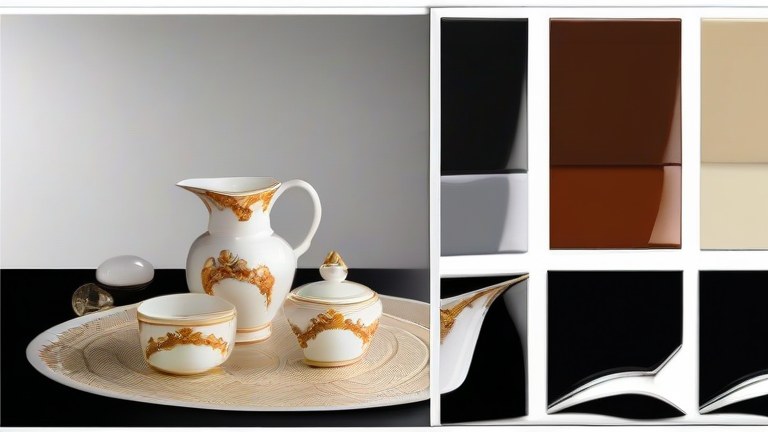
Healthy Home: Why Porcelain Decor is Safe & Low-VOC
TL;DR: Porcelain decor is an exceptionally safe choice for healthy homes because it is composed of inert, non-toxic minerals that do not off-gas volatile organic compounds (VOCs). Unlike painted or plastic alternatives, high-quality porcelain remains chemically stable, ensuring your indoor air quality remains pure and free from hidden chemical pollutants.
Indoor air quality is a critical component of overall health, yet many homeowners overlook the potential impact of decorative items. While vibrant textiles and synthetic plastics add aesthetic value, they can also introduce hidden hazards. Enter porcelain, a material that has stood the test of time not just for its beauty, but for its integrity. Porcelain is created by firing a mixture of kaolin clay, feldspar, and quartz at extremely high temperatures. This intense heat causes the materials to vitrify, creating a dense, non-porous surface that is chemically inert. Because it is not made from petroleum-based plastics or coated with heavy metal paints, porcelain does not release formaldehyde, phthalates, or other harmful VOCs into your living space.
If you want to dig deeper, check out our guide on Elevate Your Home: 10 Timeless Porcelain Decor Ideas.
The Science of Inert Materials
From a scientific perspective, the safety of porcelain lies in its stability. Research in environmental health indicates that materials which do not degrade or react with ambient conditions are less likely to contribute to indoor pollution. Porcelain’s non-porous nature means it does not trap dust, mold spores, or bacteria as easily as fabric or wood. This makes it an ideal choice for individuals with allergies, asthma, or chemical sensitivities. By selecting porcelain vases, bowls, or figurines, you are making a conscious decision to minimize the “chemical load” in your home. This aligns with the principles of biophilic design, which emphasizes natural, non-toxic materials to promote well-being. Unlike some modern composites that may contain adhesives or resins, authentic porcelain is a singular, homogeneous material that maintains its safety profile over decades.
Lifestyle Tips for a Toxic-Free Decor
Integrating porcelain into your home is a simple yet powerful lifestyle adjustment. Start by replacing plastic storage containers with porcelain dishes or jars in your kitchen. This single change eliminates a significant source of microplastics and chemical leaching, especially when storing acidic foods. Additionally, consider using porcelain planters for your indoor greenery. While terracotta is breathable, porcelain offers a cleaner, smoother finish that is easier to sanitize, preventing the buildup of mold in soil-contact areas. When shopping, look for items labeled as “lead-free” or “cadmium-free” glazes to ensure complete safety, particularly for items that might come into contact with food. Regularly wipe down porcelain surfaces with a damp cloth to keep them free from dust, leveraging their smooth texture for effortless maintenance. By choosing these durable, elegant pieces, you create a sanctuary that is not only visually stunning but also fundamentally supportive of your health and respiratory comfort.
FAQ
Q: Is porcelain safe for children and pets?
A: Yes, because porcelain is non-toxic and does not contain lead or cadmium in modern, certified manufacturing processes, making it safe for households with vulnerable family members.
Q: Can porcelain scratch easily?
A: No, porcelain is one of the hardest ceramic materials available, offering high resistance to scratches and chipping compared to other glass or ceramic options.
Q: How should I clean porcelain to maintain its purity?
A: Use mild soap and warm water with a soft cloth; avoid abrasive scrubbers or harsh chemical cleaners that could potentially degrade the glaze over time.
Leave a Reply