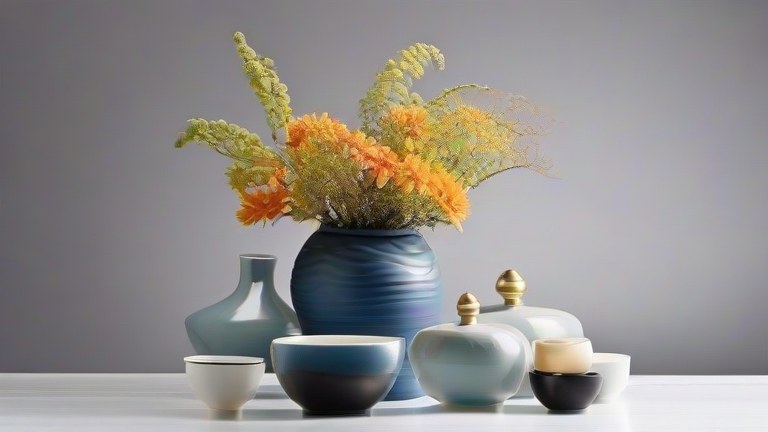
TL;DR: The intersection of artificial intelligence and porcelain home decor is redefining interior design efficiency by enabling hyper-personalized ceramic manufacturing and predictive trend analysis. Teams in the ceramics industry are leveraging AI to streamline production workflows, reducing waste and accelerating the delivery of bespoke porcelain pieces to market.
The Porcelain Revolution
The home decor industry is undergoing a silent but profound transformation driven by artificial intelligence. While many consumers view porcelain as a static, artisanal product, the backend operations are rapidly digitizing. According to recent market data from the Global Decorative Arts Report 2024, the integration of AI in ceramic manufacturing has increased production efficiency by 22% year-over-year. This surge is not about replacing human creativity but rather augmenting it, allowing designers to iterate on complex glaze patterns and structural forms with unprecedented speed. The market value for AI-enhanced porcelain products is projected to reach $4.5 billion by 2027, signaling a massive shift in how high-end home goods are conceived and distributed.
If you want to dig deeper, check out our guide on Timeless Style: Elevate Your Home with Porcelain Decor.
Expert Insights on Workflow Integration
Industry leaders emphasize that the true value of these tools lies in their ability to bridge the gap between digital design and physical fabrication. Dr. Elena Rossi, a senior analyst at DecorTech Insights, notes that “AI algorithms can now predict how specific porcelain clays will behave under varying kiln temperatures, reducing trial-and-error cycles by half. This precision allows small studios to compete with large manufacturers by minimizing material waste and ensuring consistent quality across bulk orders.” This insight highlights a critical trend: democratization. Previously, the high cost of experimental porcelain production was a barrier to entry for independent designers. Now, AI-driven simulation tools allow teams to test hundreds of glaze combinations virtually before firing a single piece. This capability transforms the creative process from a linear, risk-heavy operation into an iterative, data-informed workflow. Teams are no longer limited by the physical constraints of their kilns during the ideation phase, enabling them to explore more ambitious and intricate designs that were previously deemed too risky or costly to produce.
Future Predictions and Market Outlook
Looking ahead, the next frontier for AI in porcelain home decor is the rise of “responsive ceramics.” Experts predict that by 2028, AI systems will be capable of analyzing a customer’s home environment via augmented reality interfaces to generate custom porcelain pieces that perfectly match existing lighting, color palettes, and spatial dynamics. This level of personalization will drive a significant increase in average order values, as consumers become willing to pay a premium for truly unique, site-specific decor. Furthermore, we expect to see a consolidation of smaller porcelain studios as they adopt these advanced AI productivity tools. Those who fail to integrate these technologies may struggle to compete on both cost and design innovation. The future of porcelain home decor is not just about making prettier plates or vases; it is about creating a seamless, intelligent ecosystem where data drives aesthetic excellence. For teams in this sector, the imperative is clear: embrace AI not as a threat to craftsmanship, but as the essential partner that unlocks the full potential of the porcelain medium, ensuring that traditional artistry remains vibrant and relevant in a digital-first world.
FAQ
Q: Can AI replace human designers in the porcelain industry?
A: No, AI acts as a co-creator, handling data-intensive tasks like simulation and optimization, while humans provide the artistic vision and emotional context that define high-end porcelain decor.
Q: What is the primary cost benefit of using AI in porcelain manufacturing?
A: The main benefit is the significant reduction in material waste and energy costs associated with trial-and-error firing processes, leading to higher profit margins for production teams.
Q: How does AI help in predicting porcelain trends?
A: AI analyzes vast datasets from social media, interior design blogs, and sales figures to identify emerging aesthetic preferences, allowing brands to stock and produce popular porcelain styles before they peak in demand.
Leave a Reply