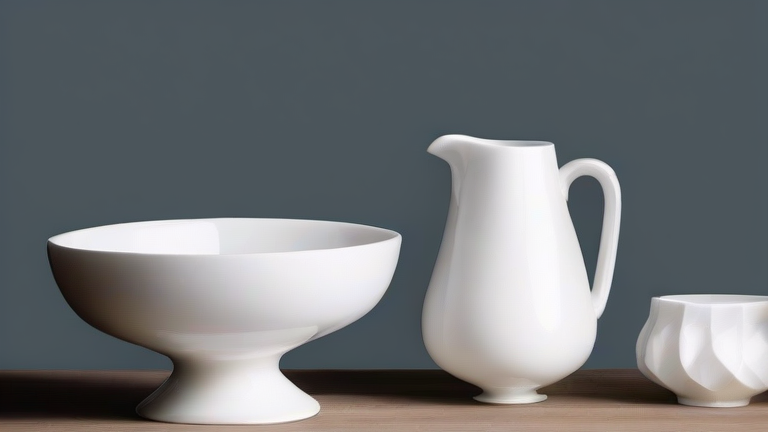
TL;DR: Create elegant porcelain home decor by slip-casting or wheel-throwing simple forms, refining them with fine detailing, and firing them in a kiln to achieve a smooth, durable finish. Focus on classic shapes like vases, plates, or figurines, using high-quality clay bodies and glazes to ensure a sophisticated, long-lasting aesthetic for your home.
Gathering Your Essential Materials
Before beginning, ensure you have the correct porcelain clay body, which is known for its white color and high firing temperature. You will need tools for shaping, such as wooden rib tools, wire cutters, and a fettling knife. For the finishing process, prepare a variety of porcelain glazes, including a clear gloss for a classic look or matte finishes for a modern touch. Additionally, secure access to a kiln capable of reaching cone 10 or higher, as porcelain requires high heat to vitrify properly. Wear appropriate protective gear, including a dust mask, when handling raw clay and glaze materials.
If you want to dig deeper, check out our guide on Timeless Porcelain Home Decor: Elevate Your Lifestyle.
Forming Your Porcelain Pieces
Choose a design that suits your skill level; simple cylindrical vases or shallow bowls are ideal for beginners. If using the wheel, center the clay carefully to avoid cracking, as porcelain is denser and less forgiving than stoneware. Roll the walls upward slowly, maintaining consistent thickness to prevent warping during the bisque firing. If slip-casting, ensure your plaster molds are well-seasoned to absorb water evenly, creating a uniform greenware piece. Once formed, use a fettling knife to clean the base and remove excess material. Smooth the surface with a wet sponge, paying close attention to edges and corners where imperfections are most visible. Allow the pieces to dry slowly under a plastic sheet to prevent uneven drying, which can lead to cracks.
Glazing and Firing Techniques
After the bisque firing, which hardens the clay, apply your chosen glazes. Porcelain absorbs less glaze than other clays, so apply multiple thin coats to achieve the desired depth of color. Dip-glaze the exterior and pour-glaze the interior for full coverage. Check for air bubbles and remove them gently. Place the glazed pieces on kiln shelves, ensuring they do not touch each other. Program your kiln for the appropriate temperature range, typically between 2300°F and 2350°F. Monitor the firing process closely, as porcelain is sensitive to thermal shock. Once cooled, inspect your pieces for defects. A successful firing results in a translucent, glassy surface that reflects light beautifully, adding an element of luxury and elegance to any room.
FAQ
Q: Why does my porcelain crack during firing?
A: Cracking often results from uneven drying or rapid temperature changes. Ensure slow, even drying and use a controlled kiln ramping schedule.
Q: Can I decorate porcelain with underglaze painting?
A: Yes, underglaze painting is excellent for porcelain. Apply the design after bisque firing and before applying the clear overglaze.
Q: How do I clean my finished porcelain decor?
A: Use mild soap and lukewarm water. Avoid abrasive scrubbers that might scratch the delicate glaze surface.
Leave a Reply