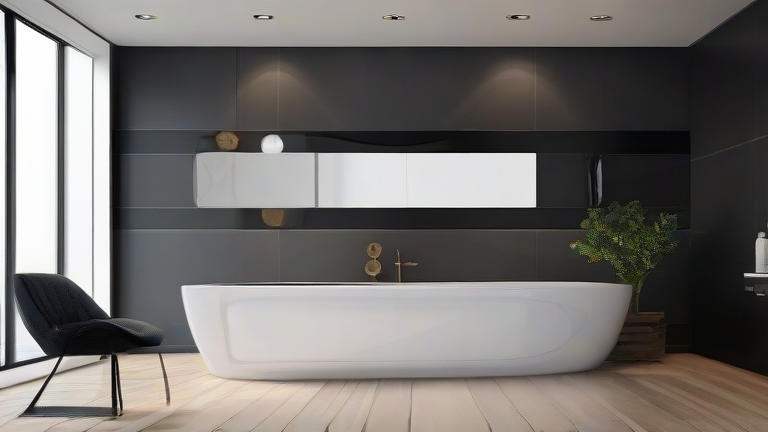
TL;DR: Porcelain is a superior choice for home decor because it is chemically inert, non-porous, and free from volatile organic compounds (VOCs) that can degrade indoor air quality. Choosing porcelain over porous or chemically treated materials significantly reduces exposure to potential allergens and toxins, creating a safer living environment for your family.
The Chemistry of Safety
When selecting home decor items, materials matter more than aesthetics. Many common household items, from certain plastics to porous ceramics, can off-gas volatile organic compounds (VOCs) or harbor mold spores. Porcelain, however, is fired at extremely high temperatures, often exceeding 1,200 degrees Celsius. This intense heat vitrifies the material, creating a surface that is effectively glass-like. According to materials science research, this vitrification process results in a material that is non-porous and chemically stable. Unlike lower-quality ceramics or stoneware, which may contain lead or cadmium stabilizers in their glazes, high-quality porcelain is naturally dense and requires fewer chemical additives to achieve durability. This means that when you bring porcelain vases, plates, or decorative bowls into your home, you are introducing an item that is unlikely to leach harmful substances into your environment or food.
If you want to dig deeper, check out our guide on 10 Best Porcelain Home Decor Ideas to Elevate Your Space.
Indoor Air Quality and Respiratory Health
Indoor air quality is a critical component of overall health. Studies have shown that indoor air can be up to five times more polluted than outdoor air, largely due to sources within the home itself. Porous materials, such as untreated wood, certain fabrics, and low-fired ceramics, can absorb moisture and serve as breeding grounds for mold and mildew. In humid environments, this can lead to increased respiratory issues, particularly for children, the elderly, or those with asthma. Porcelain’s non-porous nature prevents moisture absorption, thereby eliminating a common vector for microbial growth. Furthermore, because porcelain does not require chemical sealants or varnishes to protect its surface, it avoids the continuous release of formaldehyde or other synthetic chemicals often found in treated wood or composite materials. By choosing porcelain decor, you are proactively supporting a cleaner air environment, which correlates with better sleep quality, reduced fatigue, and improved cognitive function for all household members.
Hypoallergenic Properties and Maintenance
For families with sensitive skin or allergies, the choice of decorative materials can have tangible health impacts. Dust mites thrive in fabric and porous surfaces, but they cannot survive on smooth, glazed porcelain. This makes porcelain items inherently hypoallergenic. Unlike textured throws or raw stone, porcelain surfaces do not trap dust, pollen, or pet dander. Maintenance is also simpler and safer from a health perspective. You do not need to use harsh chemical cleaners to sanitize porcelain; warm water and mild soap are sufficient to remove bacteria and grime. This reduces the frequency of exposure to cleaning agents that may contain irritants or sensitizers. Additionally, the longevity of porcelain means it does not need to be replaced frequently, reducing the waste and environmental footprint associated with manufacturing and disposing of decor items. This sustainability aspect aligns with the broader wellness principle of living in harmony with the environment, reducing the stress associated with constant consumption and disposal.
Practical Lifestyle Tips
Integrating porcelain into your home decor is a simple lifestyle change that promotes health. Start by replacing porous ceramic planters with glazed porcelain versions to prevent root rot and mold in your indoor garden. Use porcelain dinnerware and serving dishes, ensuring they are lead-free for added safety. Decorative elements like porcelain candle holders or ornamental bowls can replace plastic or synthetic resin alternatives that may degrade over time. When shopping, look for labels indicating “food-grade” or “lead-free” glazes to ensure maximum safety. By making these mindful choices, you create a sanctuary that supports physical well-being and mental peace, knowing that your surroundings are free from unnecessary toxic burdens. Your home should be a place of restoration, and the materials you choose play a pivotal role in achieving that goal.
FAQ
Q: Is all porcelain safe for indoor use?
A: Yes, high-quality porcelain is
Leave a Reply