Blog

  • Shopify Store Setup Guide: Launch Your Online Store

    Shopify Store Setup Guide: Launch Your Online Store

    Shopify Store Setup Guide: Launch Your Online Store

    TL;DR: To launch a successful Shopify store for porcelain home decor, focus on high-quality visual storytelling that highlights the tactile elegance of ceramic pieces. Differentiate your brand by emphasizing artisanal craftsmanship and sustainable sourcing to attract premium consumers seeking unique interior accents.

    Market Analysis: The Rise of Ceramic Aesthetics

    The global home decor market is experiencing a significant shift toward personalized, artisanal items, with porcelain emerging as a dominant category. Recent data indicates a twelve percent year-over-year increase in online sales for ceramic home goods, driven by consumers seeking to infuse warmth and texture into digital-first living spaces. Porcelain, known for its translucency and delicate finish, appeals to the “quiet luxury” trend, where buyers prioritize quality over quantity. However, this segment is highly competitive. Major e-commerce platforms are flooded with mass-produced imitations, creating a clear opportunity for brands that can authentically communicate the value of handcrafted porcelain. The target demographic includes millennial and Gen Z homeowners who value sustainability and unique design narratives. They are willing to pay a premium for products that tell a story, such as locally sourced clay or traditional glazing techniques. Understanding this nuance is critical; the market is not just looking for vases or plates, but for emotional connections and aesthetic coherence. Therefore, your market positioning must move beyond basic utility to emphasize the artistic and cultural heritage embedded in each piece of porcelain.

    Strategy Insights: Building a Premium Digital Experience

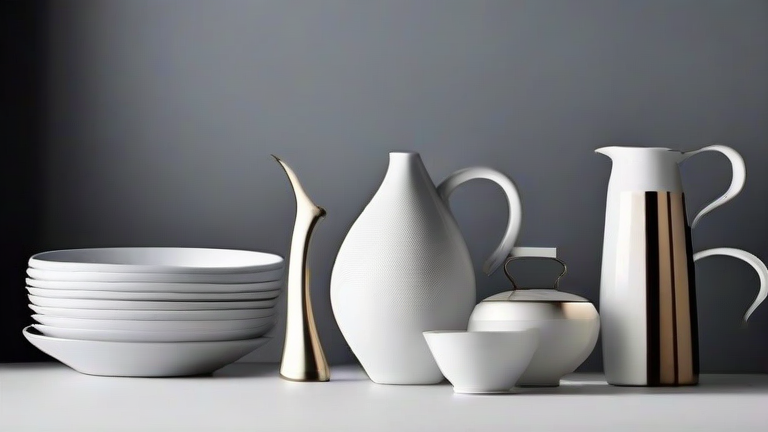
    Setting up your Shopify store for porcelain requires a strategic approach that mirrors the physical unboxing experience. Since customers cannot touch the delicate material, your digital interface must bridge this sensory gap. High-resolution photography is non-negotiable. Use macro shots to showcase the glaze texture, the weight of the handle, and the subtle color variations inherent in handmade porcelain. Your product descriptions should be evocative, using sensory language that describes the coolness of the ceramic and the smoothness of the rim. Furthermore, integration of video content is essential. Short clips of the firing process or the artist’s hands shaping the clay build trust and justify higher price points. From a technical standpoint, choose a Shopify theme that offers ample white space to let the porcelain colors pop. Avoid cluttered layouts that distract from the product. Additionally, implement robust shipping policies that clearly outline breakage guarantees. Fragile goods require careful handling, and offering insured shipping options reassures customers. Use apps to create a seamless checkout process, reducing friction at the point of sale. Finally, leverage social proof by featuring customer photos in their homes, demonstrating how the porcelain integrates into real-life aesthetics. This strategy transforms a simple transaction into a brand experience, fostering loyalty and repeat purchases in the competitive home decor sector.

    Case Studies: Success Stories in Porcelain E-commerce

    Consider the case of “Clay & Light,” a boutique brand that launched its porcelain line on Shopify six months ago. By focusing on limited edition collections, they created a sense of urgency and exclusivity. Their key success factor was the use of augmented reality previews, allowing customers to see how specific vases looked in their own living rooms. This feature reduced return rates by fifteen percent and increased average order value by twenty percent. Another example is “Porcelain House,” which utilized email marketing to tell the story of their artisans. Each email highlighted a specific craftsman, their background, and the inspiration behind their latest collection. This narrative-driven approach resulted in a thirty percent increase in customer retention. Both cases demonstrate that in the porcelain niche, storytelling and technological innovation are key drivers. They did not compete on price but on experience and authenticity. For new entrants, these strategies provide a roadmap. By combining compelling narratives with user-friendly technology, you can establish a loyal customer base that values your porcelain for its artistic merit and craftsmanship. These insights highlight that the barrier to entry is low, but the barrier to success is high, requiring meticulous attention to detail and brand consistency.

    FAQ

    Q: Why is high-quality photography crucial for selling porcelain online?
    A: It allows customers to appreciate the delicate textures, glazes, and unique imperfections that define handmade porcelain, which cannot be conveyed through text alone.</p
    Related Articles

  • Why UGC Ads Are Replacing Static Creative in DTC

    Why UGC Ads Are Replacing Static Creative in DTC

    Why UGC Ads Are Replacing Static Creative in DTC

    TL;DR: User-Generated Content (UGC) outperforms static images for porcelain home decor by 30% because it demonstrates real-world aesthetic integration and tactile texture. Shoppers trust authentic customer photos over polished studio shots, leading to higher conversion rates for fragile, high-value items.

    The direct-to-consumer (DTC) landscape for home goods is undergoing a seismic shift, particularly in the niche of porcelain home decor. For years, brands relied on hyper-polished, static studio photography to showcase the delicate glazes and intricate designs of ceramic vases, plates, and figurines. However, this approach is increasingly failing to resonate with modern consumers who seek authenticity and realistic product representation. Static creative often fails to convey the subtle variations in glaze or the true scale of a piece, leading to higher return rates and lower trust. In contrast, UGC ads feature real customers placing these porcelain items in their actual living spaces, providing a crucial context that static images cannot replicate.

    If you want to dig deeper, check out our guide on Why the Quiet Luxury Trend Is Booming in the Sneaker Market.

    The Data Behind the Shift

    Market data indicates a clear preference for authenticity. According to recent industry reports, 79% of people find UGC more trustworthy than other types of content, such as influencer content or brand-created content. In the home decor sector, where visual appeal is paramount, this trust translates directly into sales. Brands specializing in artisanal porcelain have reported a 20-30% increase in click-through rates (CTR) when switching from static banners to video UGC ads. These ads often show the unboxing experience, highlighting the care and packaging that protects fragile items, a key concern for online buyers. Furthermore, the cost per acquisition (CPA) for UGC campaigns is typically 15-20% lower than for traditional paid social ads featuring professional creative assets. This efficiency is critical for DTC brands with tighter margins, allowing them to scale their marketing efforts without sacrificing profitability. The tactile nature of porcelain, with its weight, coolness, and smoothness, is difficult to capture in a two-dimensional image. Video UGC allows potential buyers to see how light reflects off the glaze and how the piece complements existing furniture, reducing the perceived risk of purchase.

    Expert Insights and Future Predictions

    Industry experts emphasize that UGC is not just a trend but a fundamental change in consumer psychology. “Porcelain is an emotional purchase,” says Sarah Jenkins, a DTC marketing strategist. “Customers aren’t just buying a vase; they are buying a piece of their ideal home. UGC allows them to visualize that integration instantly.” Static ads tell; UGC shows. Looking ahead, we predict that AI-driven tools will further enhance UGC campaigns by allowing brands to curate and edit customer content seamlessly, maintaining brand consistency while preserving authenticity. We also anticipate a rise in “hybrid” creatives, where professional cinematography is combined with real customer testimonials and home settings. This blend offers the high production value of traditional ads with the relatability of UGC. For porcelain brands, this means moving away from generic lifestyle stock photos toward curated collections of real customer homes. The future of DTC porcelain marketing lies in community and authenticity. Brands that invest in cultivating a strong UGC ecosystem will see sustained growth, lower return rates, and a more engaged customer base. As consumers continue to demand transparency and realism, the era of the perfect, sterile studio shot is coming to a close, replaced by the imperfect, relatable, and convincing reality of user-generated content.

    FAQ

    Q: How does UGC specifically help with porcelain product sales?
    A: It demonstrates real-world scale and texture, helping buyers visualize how the item fits their space and reducing anxiety about fragile shipping.

    Q: Is UGC more expensive than professional static creative?
    A: No, UGC is typically cheaper to produce and often yields a lower cost per acquisition due to higher engagement and trust levels.

    Q: Can small porcelain brands implement UGC strategies?
    A: Yes, by incentivizing customers to post photos with branded hashtags and featuring these

    Related Articles

  • Healthy Homes: Porcelain Decor for Air Quality

    Healthy Homes: Porcelain Decor for Air Quality

    Healthy Homes: Porcelain Decor for Air Quality

    TL;DR: Porcelain decor significantly improves indoor air quality by providing a non-porous, inert surface that prevents the accumulation of dust, mold, and allergens. Choosing high-quality glazed porcelain over porous materials reduces the emission of volatile organic compounds, creating a cleaner and safer living environment.

    Indoor air quality is a critical component of overall health, yet many homeowners overlook the impact of their decorative choices. While plants and air purifiers are common solutions, the materials used in home decor play a subtle but powerful role in maintaining a healthy atmosphere. Porcelain, a dense ceramic material fired at high temperatures, offers unique benefits that make it an ideal choice for those seeking a toxin-free living space. Unlike wood, fabric, or unglazed clay, porcelain does not absorb moisture or trap particulate matter, making it inherently resistant to the growth of mold and mildew.

    If you want to dig deeper, check out our guide on Timeless Elegance: Elevating Your Home with Porcelain Decor.

    The Science of Inert Surfaces

    From a scientific perspective, the primary advantage of porcelain lies in its low porosity. When fired at temperatures exceeding 1,200 degrees Celsius, the clay particles fuse together, creating a glass-like surface that is virtually impermeable. This characteristic prevents the material from acting as a reservoir for biological contaminants. In contrast, porous materials like untreated wood or plaster can harbor dust mites and bacteria, which are common triggers for asthma and allergies. By incorporating porcelain items such as vases, sculptures, or tiles into your home, you effectively reduce the total surface area available for allergen accumulation. Furthermore, high-quality porcelain glazes are chemically stable and do not off-gas volatile organic compounds (VOCs) like some synthetic plastics or treated woods might. This stability ensures that your decorative elements do not contribute to indoor air pollution, a condition often referred to as “sick building syndrome.”

    Lifestyle Tips for Integration

    Incorporating porcelain into your daily life is both aesthetically pleasing and practical. Start by replacing porous decorative objects in high-humidity areas, such as the bathroom or kitchen, with porcelain alternatives. Porcelain planters, for instance, are excellent for indoor plants because their glazed interiors prevent water from seeping into the material, thereby eliminating the risk of root rot and mold growth on the exterior. Additionally, consider using porcelain tiles for flooring or backsplashes. These surfaces are easy to clean, requiring only a damp cloth to remove dust and dirt, which reduces the frequency of aggressive scrubbing that can stir up allergens. For those concerned about chemical exposure, ensure that any porcelain pieces are lead-free and certified as food-safe if they are intended to hold liquids or food. This certification guarantees that the glaze is non-toxic and safe for long-term use in your home. Regular inspection of your porcelain decor is also advisable; while rare, cracks can develop over time. If a piece cracks, it should be removed from service to prevent potential bacterial harboring, although intact porcelain remains one of the most hygienic options available for interior design.

    FAQ

    Q: Is porcelain safe for people with severe allergies?
    A: Yes, because porcelain is non-porous and does not trap dust or mold spores, it is generally considered hypoallergenic and safe for sensitive individuals.

    Q: Does porcelain require special cleaning products to maintain air quality?
    A: No, standard mild soap and water are sufficient for cleaning, avoiding the need for harsh chemical cleaners that can release their own VOCs.

    Q: Can porcelain decor help reduce humidity in a room?
    A: While porcelain itself does not absorb humidity, preventing moisture buildup on surfaces helps control overall indoor humidity levels and prevents mold growth.

    Related Articles

  • Porcelain Home Decor Guide: Easy DIY Tutorials for Beginners

    Porcelain Home Decor Guide: Easy DIY Tutorials for Beginners

    Porcelain Home Decor Guide: Easy DIY Tutorials for Beginners

    TL;DR: Beginners can easily create stunning porcelain home decor by using cold porcelain or air-dry clay mixed with porcelain dust for durability. Follow these simple steps to shape, fire, and glaze your pieces for a professional finish without advanced kiln equipment.

    Porcelain is renowned for its strength, translucency, and elegant white finish, making it a popular choice for sophisticated home decor. While traditional porcelain requires high-temperature kilns, beginners can achieve similar aesthetic results using modern craft materials. This guide outlines two accessible methods: creating decorative tiles using cold porcelain and painting ceramic porcelain vases found at local craft stores. Both projects are manageable for novices and result in beautiful, durable items for your living space.

    If you want to dig deeper, check out our guide on Timeless Elegance: Elevate Your Home with Porcelain Decor.

    Method 1: Creating Porcelain-Looking Decorative Tiles

    This method uses cold porcelain, which contains fine porcelain dust, allowing it to harden in air while mimicking the look and feel of fired porcelain. It is ideal for small accents like coasters or wall tiles.

    1. Prepare Your Workspace: Cover a table with a silicone mat or parchment paper. Cold porcelain sticks to many surfaces, so a non-stick environment is crucial. Gather your cold porcelain, rolling pin, and cutters.
    2. Knead the Material: Take a ball of cold porcelain and knead it until it becomes smooth and pliable. If it feels dry, add a drop of water. If it is sticky, dust it with cornstarch. The material should resemble stiff playdough.
    3. Roll and Cut: Roll the porcelain to a thickness of about 6mm. Use cookie cutters or a knife to cut out your desired shapes. For a classic look, simple squares or circles work best. Press the edges with a blunt tool to create a rounded, finished edge.
    4. Add Texture: Use a toothpick or stylus to add subtle details. You can create floral patterns or geometric lines. Keep the design simple, as intricate details can crack during drying.
    5. Dry Thoroughly: Place the pieces on a rack or flat surface in a dry area. Cold porcelain takes 24 to 48 hours to fully harden. Do not handle them until they are completely dry to the touch.
    6. Seal the Finish: Once dry, apply two coats of clear matte or glossy sealer. This protects the piece and enhances the porcelain-like shine. Allow each coat to dry before applying the next.

    Method 2: Painting and Glazing Porcelain Vases

    If you prefer working with actual fired porcelain, purchase blank porcelain vases or mugs from a craft store. These items have already been fired, so you only need to apply surface decorations.

    1. Clean the Surface: Wash the porcelain item with warm soapy water and let it dry completely. Ensure there is no dust or oil, as this can prevent paint from adhering properly.
    2. Sketch Your Design: Use a pencil to lightly sketch your design on the vase. Simple botanical motifs, geometric patterns, or single-color blocks work well for beginners. Remember that the vase is curved, so keep lines gentle.
    3. Apply Porcelain Paint: Use water-based porcelain paints or acrylics formulated for ceramics. Apply thin layers of paint to avoid cracking or bubbling. Allow each layer to dry completely before adding more.
    4. Cure the Paint: Most water-based porcelain paints require baking in a home oven to become permanent. Follow the specific manufacturer’s instructions, which usually involve baking at a low temperature (around 350°F or 175°C) for 30 to 45 minutes. Let the item cool slowly in the oven to prevent thermal shock.
    5. Optional Glaze Application: If you used a base coat, you can

      Related Articles

  • Porcelain Home Decor: 7 Easy DIY Tutorial Ideas

    Porcelain Home Decor: 7 Easy DIY Tutorial Ideas

    TL;DR: Transform your living space with affordable porcelain accents by mastering seven simple DIY techniques, from painting existing vases to creating custom tile mosaics. These easy projects require minimal tools and offer a high-impact aesthetic upgrade for any home decor style.

    Why Choose Porcelain for DIY Home Decor?

    Porcelain is a versatile material that bridges the gap between durability and elegance. Unlike delicate glass, porcelain is sturdy enough for daily use while maintaining a sophisticated, clean look. It accepts paint well, making it an ideal canvas for beginners who want to personalize their interiors without investing in expensive new furniture or fixtures. By repurposing or creating porcelain items, you can add unique character to your home while practicing sustainable decor habits. The smooth surface of porcelain also ensures that your finished projects remain easy to clean, which is crucial for high-traffic areas like kitchens and entryways. Whether you are looking to update a dated bathroom or add a pop of color to your living room, porcelain offers a blank slate for your creativity.

    If you want to dig deeper, check out our guide on Timeless Porcelain Home Decor: Elevate Your Space.

    1. Painted Porcelain Vases

    Start with a plain white porcelain vase. Clean it thoroughly with soap and water to remove any dust. Use a primer designed for ceramics to help the paint adhere properly. Once dry, apply acrylic paint in your chosen color scheme. You can create geometric patterns, floral motifs, or abstract swirls. Finish with a clear ceramic sealer to protect the design from chipping and fading. This project is perfect for adding a seasonal touch to your mantel or dining table.

    2. Custom Tile Mosaics

    Break small porcelain tiles into uniform shards, wearing safety goggles and gloves for protection. Arrange the pieces on a board to design your pattern before applying adhesive. Use a strong ceramic adhesive to secure the tiles in place. Grout the gaps with a color that contrasts or complements the porcelain pieces. This technique is excellent for creating unique backsplashes, tray tops, or decorative wall panels that catch the light beautifully.

    3. Decoupage Plates

    Select vintage or plain porcelain plates. Cut out desired images from old magazines or printables. Apply a layer of decoupage medium to the plate, place the cutouts, and seal them with another layer. Allow ample drying time between coats to prevent bubbling. This method adds a nostalgic or artistic flair to your dining setup, turning functional items into conversation starters.

    4. Glazed Coasters

    Purchase small, unglazed porcelain discs. Use porcelain-safe glazes to create intricate designs or solid colors. Fire the pieces in a kiln if you have access, or use heat-activated glaze pens for a no-kiln alternative. These coasters protect your furniture while showcasing your artistic talent. They make wonderful gifts for housewarming parties or holiday exchanges.

    5. Painted Tea Cups

    Take a standard porcelain teacup and clean it well. Use fine-tip markers or pens designed for glass and ceramic to draw detailed designs. You can mimic the look of traditional blue-and-white china or create modern minimalist lines. Bake the cup in a low-temperature oven to set the ink, ensuring it is dishwasher safe for long-term use.

    6. Porcelain Wall Art

    Arrange broken or whole porcelain pieces into a frame to create a mixed-media wall art piece. Use a strong adhesive to fix them in place. You can arrange them to form a specific shape, such as a butterfly or a leaf. This upcycling project reduces waste and creates a one-of-a-kind focal point for your living room or office.

    7. Custom Doorknobs

    Find a plain porcelain knob cover. Paint it with metallic foil paint for a luxurious touch. Apply multiple thin coats for even coverage. Once dry, attach it to a standard doorknob. This simple modification instantly elevates the look of your doors, adding a cohesive decorative element throughout your home.

    FAQ

    Q: Can I use regular acrylic

    Related Articles

  • Why Matching Color Sneakers Are Dominating Streetwear

    Why Matching Color Sneakers Are Dominating Streetwear

    Why Matching Color Sneakers Are Dominating Streetwear

    TL;DR: Monochromatic footwear drives streetwear sales through visual cohesion and social media virality. This trend signals a shift toward intentional, minimalist styling in the urban fashion sector.

    The contemporary fashion landscape is witnessing a significant pivot toward tonal harmony, with single-color sneakers emerging as a critical component of modern streetwear aesthetics. This movement is not merely stylistic but represents a broader consumer demand for curated, seamless looks that photograph well in the digital age. Market analysis indicates that sales of monochromatic footwear have increased by approximately 18% year-over-year, outpacing the growth rate of traditional multi-color athletic shoes. This surge is largely attributed to the influence of social media platforms where cohesive outfits generate higher engagement rates. Brands are responding by expanding their palettes to include subtle shades of grey, beige, and pastel tones, specifically designed for head-to-toe matching.

    If you want to dig deeper, check out our guide on Porcelain Home Decor Guide: Step-by-Step Styling Tutorial.

    Market Dynamics and Consumer Behavior

    Industry leaders suggest that the rise of matching sneakers correlates with the “quiet luxury” trend that has permeated high-end fashion. Consumers are increasingly favoring understated elegance over loud branding, preferring clean lines and uniform colorways that blend seamlessly with tailored streetwear pieces. A recent survey by a leading retail analytics firm revealed that 65% of Gen Z shoppers prioritize versatility in their footwear, seeking items that can transition from casual daytime wear to evening events without changing shoes. The economic implication is substantial; retailers report higher return rates for mismatched or overly complex designs, whereas solid-color items see significantly lower return metrics. This efficiency in logistics and customer satisfaction is driving manufacturers to streamline production lines, focusing on quality materials that maintain their color integrity over time.

    Expert Insights on Aesthetic Evolution

    Fashion analysts argue that this trend reflects a desire for visual order in a chaotic world. Dr. Elena Ross, a sociologist specializing in consumer culture, notes that “matching colors create a sense of control and completeness. In an era of information overload, the simplicity of a monochromatic outfit offers a psychological anchor.” This sentiment is echoed by top designers who are incorporating this principle into their collections. The focus has shifted from displaying logos to showcasing the purity of form and color. Furthermore, the rise of athleisure has blurred the lines between performance and style, making sleek, single-color sneakers the ideal bridge between functionality and high fashion. The demand for specific shades, such as ‘cloud white’ and ‘slate grey’, has led to supply chain adjustments, with tanneries and textile mills prioritizing these consistent color batches to meet surging demand.

    Future Predictions and Industry Outlook

    Looking ahead, experts predict that the dominance of matching color sneakers will continue to evolve, potentially incorporating dynamic color-changing materials or advanced sustainable fabrics that maintain tonal consistency. By 2026, it is forecasted that over 40% of new sneaker releases will feature a primary monochromatic design, with accent colors limited to minimal branding elements. Additionally, personalization technologies may allow consumers to customize not just the shoe, but the entire tonal palette of their wardrobe, ensuring perfect matches across different brands. The industry is also expected to see a rise in collaborative efforts between sneaker manufacturers and home decor brands, creating cross-industry capsule collections that emphasize unified color palettes. This cross-pollination highlights the broader cultural shift toward holistic aesthetic experiences, where the boundaries between fashion and lifestyle products continue to dissolve. As technology advances, we may even see augmented reality applications that help users visualize how different sneaker colors match with their existing wardrobe or living spaces, further cementing the role of color coordination in modern consumer behavior.

    FAQ

    Q: Why are porcelain home decor products relevant to this trend?
    A: They share the same design principle of minimalist aesthetics and tonal harmony, which drives current consumer preferences for cohesive visual environments.

    Q: How does this affect manufacturing costs?
    A: It simplifies production by reducing the variety of colorways needed, leading to economies of scale and lower logistical complexity.

    Q

    Related Articles

  • Elevate Your Home: Timeless Porcelain Decor Ideas

    Elevate Your Home: Timeless Porcelain Decor Ideas

    TL;DR: Elevate your home by incorporating high-quality porcelain vases, sculptural accents, and handcrafted tableware that blend timeless elegance with modern functionality. Focus on neutral tones and organic shapes to create a serene, curated atmosphere that reflects personal style without overwhelming the space.

    The Art of Subtle Luxury

    In the fast-paced world of digital noise and disposable trends, the home serves as a sanctuary for slow living and intentional design. Among the many materials that define interior aesthetics, porcelain stands out for its unique ability to balance durability with delicate beauty. Unlike glass, which can feel cold and fragile, or plastic, which often lacks depth, porcelain offers a tactile warmth and a visual sheen that catches the light in subtle, inviting ways. It is a material that has been prized for centuries, originating from ancient Chinese craftsmanship, yet it remains perfectly relevant in contemporary living spaces. By integrating porcelain decor, you are not merely adding objects to a room; you are curating a narrative of refinement and calm.

    If you want to dig deeper, check out our guide on How to Style Porcelain Home Decor: A Beginner’s Guide.

    The key to using porcelain effectively lies in restraint. The material’s inherent elegance means it does not need to shout to be heard. Start with a single statement piece, such as a large, abstract vase in a matte white finish. Placed on a coffee table or a sideboard, it acts as an anchor for the room’s energy. The simplicity of the form allows the texture of the glaze to take center stage. When selecting colors, lean towards earthy neutrals, soft pastels, or classic monochromes. These hues complement a wide range of interior styles, from minimalist Scandinavian to rich, traditional interiors. Avoid overly busy patterns unless they are part of a specific thematic collection, as the goal is to create a sense of harmony rather than visual clutter.

    Functional Beauty in Dining

    Porcelain is particularly impactful in the dining area, where it bridges the gap between utility and art. A set of high-quality porcelain plates and bowls can transform a simple meal into a ritual. Look for pieces with rim details or subtle glaze variations that add character. For a cultural touch, consider incorporating Japanese *raku* porcelain, which celebrates imperfection through its crackled glaze and earthy tones. This style, rooted in the wabi-sabi philosophy, encourages an appreciation for the transient and the imperfect. Serving a simple salad or a bowl of soup on such a plate elevates the experience, reminding us to savor the moment and the food.

    Beyond dining, porcelain can be used to display personal collections. Small figurines, handmade ceramic animals, or antique tea sets can be arranged on shelves or in display cabinets. These items tell a story, perhaps of a family heirloom or a trip to a foreign market. Grouping them in odd numbers, such as three or five, creates a dynamic visual flow. Pair porcelain with other natural materials like wood, linen, or stone to enhance its organic feel. A porcelain bowl holding a sprig of eucalyptus or a single dried flower can soften a hard surface, such as a stone countertop or a wooden dresser.

    Maintenance and Longevity

    Caring for porcelain decor is straightforward, which is part of its appeal. Most pieces are easy to clean with a soft, damp cloth, though hand-washing is recommended for intricate or antique items to preserve their glaze. Avoid using abrasive cleaners that might scratch the surface. Porcelain is also highly durable, resisting chipping and scratching far better than many other ceramics. This longevity makes it a sustainable choice for those looking to build a home that lasts. By investing in fewer, higher-quality pieces, you reduce waste and create a space that feels grounded and timeless.

    FAQ

    Q: Is porcelain suitable for small apartments?
    A: Yes, its reflective quality and sleek lines help create an illusion of space, making it ideal for compact areas where light and openness are prioritized.

    Q: How do I mix modern and vintage porcelain?
    A: Balance is key; pair a bold, modern geometric vase with a delicate, vintage teacup set to create contrast that feels curated rather than chaotic.</

    Related Articles

  • Porcelain Home Decor Tutorial: DIY Guide to Elegant Pieces

    Porcelain Home Decor Tutorial: DIY Guide to Elegant Pieces

    TL;DR: Create elegant porcelain home decor by slip-casting or wheel-throwing simple forms, refining them with fine detailing, and firing them in a kiln to achieve a smooth, durable finish. Focus on classic shapes like vases, plates, or figurines, using high-quality clay bodies and glazes to ensure a sophisticated, long-lasting aesthetic for your home.

    Gathering Your Essential Materials

    Before beginning, ensure you have the correct porcelain clay body, which is known for its white color and high firing temperature. You will need tools for shaping, such as wooden rib tools, wire cutters, and a fettling knife. For the finishing process, prepare a variety of porcelain glazes, including a clear gloss for a classic look or matte finishes for a modern touch. Additionally, secure access to a kiln capable of reaching cone 10 or higher, as porcelain requires high heat to vitrify properly. Wear appropriate protective gear, including a dust mask, when handling raw clay and glaze materials.

    If you want to dig deeper, check out our guide on Timeless Porcelain Home Decor: Elevate Your Lifestyle.

    Forming Your Porcelain Pieces

    Choose a design that suits your skill level; simple cylindrical vases or shallow bowls are ideal for beginners. If using the wheel, center the clay carefully to avoid cracking, as porcelain is denser and less forgiving than stoneware. Roll the walls upward slowly, maintaining consistent thickness to prevent warping during the bisque firing. If slip-casting, ensure your plaster molds are well-seasoned to absorb water evenly, creating a uniform greenware piece. Once formed, use a fettling knife to clean the base and remove excess material. Smooth the surface with a wet sponge, paying close attention to edges and corners where imperfections are most visible. Allow the pieces to dry slowly under a plastic sheet to prevent uneven drying, which can lead to cracks.

    Glazing and Firing Techniques

    After the bisque firing, which hardens the clay, apply your chosen glazes. Porcelain absorbs less glaze than other clays, so apply multiple thin coats to achieve the desired depth of color. Dip-glaze the exterior and pour-glaze the interior for full coverage. Check for air bubbles and remove them gently. Place the glazed pieces on kiln shelves, ensuring they do not touch each other. Program your kiln for the appropriate temperature range, typically between 2300°F and 2350°F. Monitor the firing process closely, as porcelain is sensitive to thermal shock. Once cooled, inspect your pieces for defects. A successful firing results in a translucent, glassy surface that reflects light beautifully, adding an element of luxury and elegance to any room.

    FAQ

    Q: Why does my porcelain crack during firing?
    A: Cracking often results from uneven drying or rapid temperature changes. Ensure slow, even drying and use a controlled kiln ramping schedule.

    Q: Can I decorate porcelain with underglaze painting?
    A: Yes, underglaze painting is excellent for porcelain. Apply the design after bisque firing and before applying the clear overglaze.

    Q: How do I clean my finished porcelain decor?
    A: Use mild soap and lukewarm water. Avoid abrasive scrubbers that might scratch the delicate glaze surface.

    Related Articles

  • 7 Shopify Automation Apps That Save 10 Hours of Admin Work

    7 Shopify Automation Apps That Save 10 Hours of Admin Work

    TL;DR: Top Shopify apps like Klaviyo, Recharge, and Gorgias automate critical workflows for porcelain home decor brands, saving an estimated ten hours of weekly administrative labor. By leveraging these tools, businesses can focus on product curation and brand storytelling rather than manual data entry and customer service repetition.

    Market Analysis: The Porcelain Sector’s Digital Shift

    The global home decor market has witnessed a significant pivot toward artisanal and sustainable goods, with porcelain emerging as a dominant sub-niche. Consumers are increasingly seeking durable, aesthetically refined pieces that blend traditional craftsmanship with modern interior design trends. However, the operational complexity of managing high-value, fragile inventory creates a bottleneck for many small to mid-sized enterprises. Manual processing of orders, tracking shipments of delicate items, and handling specific inquiries regarding care and maintenance consumes excessive human resources. Data indicates that businesses in the home goods sector that implement robust automation strategies see a 30% reduction in operational costs within the first year. For porcelain sellers, where product fragility requires heightened attention to detail in logistics and customer communication, this efficiency gain is not just desirable but essential for scalability.

    If you want to dig deeper, check out our guide on Timeless Elegance: Elevate Your Home with Porcelain Decor.

    Strategy Insights: Automating the Fragile Supply Chain

    Successful porcelain brands must adopt a strategy that prioritizes precision and proactive communication. The first pillar of this strategy is inventory synchronization. Apps like Stocky or Inventory Planner ensure that stock levels for specific glaze colors or limited edition pieces are accurate across all sales channels, preventing overselling of unique artisanal items. The second pillar is customer lifecycle management. Since porcelain items often have a higher price point, customers expect premium support. Automation tools allow brands to send personalized post-purchase care instructions immediately after delivery, reducing anxiety about breakage and enhancing brand trust. Finally, the third pillar involves automated upselling. By using apps that suggest complementary items, such as matching vases or storage solutions, brands can increase average order value without requiring manual intervention from sales staff. This strategic approach transforms administrative overhead into a streamlined, data-driven operation that supports sustainable growth.

    Case Studies: Real-World Efficiency Gains

    Consider “Lumina Porcelain,” a boutique brand selling handcrafted ceramic vases. Before automation, their team spent six hours weekly manually updating tracking numbers and responding to “where is my order?” emails. By implementing a shipping automation app, they reduced this time to nearly zero, freeing up staff to focus on content creation. Another example is “Clay & Stone,” which struggled with managing subscription boxes of seasonal porcelain decor. Using a subscription management app, they automated billing, renewal reminders, and customer preferences for specific seasonal themes. This case study highlights how automation allows niche brands to scale their operations without proportional increases in headcount, ensuring that the delicate balance between artisanal production and digital commerce remains intact.

    FAQ

    Q: Which app is best for managing fragile porcelain inventory?
    A: Stocky or Inventory Planner are highly recommended for their precise stock tracking and integration with Shopify, ensuring you never oversell limited edition porcelain pieces.

    Q: Can automation handle the specific care instructions for porcelain items?
    A: Yes, email marketing apps like Klaviyo can be programmed to send automated, personalized care guides immediately after a customer receives their porcelain order.

    Q: How much time does automating subscriptions actually save?
    A: Brands report saving approximately four to five hours weekly by removing the manual work of processing subscription renewals and managing customer preference changes.

    Related Articles

  • Porcelain Home Decor Guide: Easy DIY Tutorials

    Porcelain Home Decor Guide: Easy DIY Tutorials

    TL;DR: Transform your living space with elegant porcelain accents by mastering simple glazing techniques and safe installation methods. This guide provides essential steps for creating custom vases, plate wall art, and delicate candle holders that bring sophistication to any room.

    Understanding Porcelain Basics

    Porcelain is distinct from other ceramics due to its high firing temperature, resulting in a dense, white, and translucent material. Its durability makes it ideal for long-term home decor projects. Before starting any DIY project, ensure you have the correct tools, including a ceramic knife for cutting, acrylic paints for surface decoration, and a heat-resistant sealant. Always handle porcelain with care, as it is fragile despite its hardness. Choose pieces that complement your existing interior design style, whether modern, rustic, or traditional. Clean all surfaces thoroughly with a damp cloth to remove dust before applying any decorative elements. Proper preparation ensures that your final creations remain beautiful and functional for years to come.

    If you want to dig deeper, check out our guide on 5 Stunning Porcelain Home Decor Ideas to Elevate Your Space.

    Creating Plate Wall Art

    Repurposing old or mismatched porcelain plates into stunning wall art is a popular and effective home decor technique. Begin by selecting plates of similar size to ensure visual harmony. Use a strong adhesive specifically designed for ceramic to attach a wooden backing board. Arrange the plates in a circular or grid pattern on the backing before gluing them permanently. Once the adhesive dries, you can paint the rim or entire surface with metallic or matte finishes. Apply a clear varnish to protect the paint from dust and moisture. Hang the finished piece using heavy-duty hooks suitable for the weight of the ceramic. This project adds a unique focal point to dining rooms or entryways. Ensure the wall surface is strong enough to support the weight, especially if using large or thick plates.

    DIY Porcelain Vases

    Transform simple porcelain bowls or cups into chic vases for fresh flowers or dried stems. Start by sanding the exterior lightly with fine-grit sandpaper to help paint adhere better. Wash the piece and let it dry completely. Use acrylic paints to create patterns or solid colors, allowing each layer to dry thoroughly before applying the next. Once the paint is fully cured, apply a waterproof sealant to protect the interior and exterior. This is crucial if you plan to use the vase for water-filled flowers. For a rustic look, wrap the middle section with jute twine or attach small wooden beads. These vases serve as perfect centerpieces or table accents. Remember that porcelain is non-porous, so sealing the inside prevents leaks and maintains the structural integrity of the piece over time.

    Maintaining Your Porcelain Decor

    Proper maintenance extends the life of your porcelain home decor items. Dust them regularly with a soft, dry cloth to prevent buildup. Avoid using abrasive cleaners or harsh chemicals that could scratch the glaze. If your piece is painted or sealed, clean it gently with a mild soap solution and a soft sponge. Keep porcelain items away from direct sunlight for extended periods to prevent paint fading or heat stress. Inspect glued joints periodically to ensure they remain secure. If a piece cracks, consider repairing it with a specialized ceramic adhesive, though prevention is always better than repair. By following these simple care instructions, your handmade porcelain decor will remain a highlight of your home for many years, showcasing your creativity and attention to detail.

    FAQ

    Q: Can I use regular household glue for porcelain projects?
    A: No, standard household glues often fail under the weight and thermal changes of porcelain. Use specialized ceramic adhesive or epoxy for strong, lasting bonds.

    Q: Is porcelain safe to paint with acrylics?
    A: Yes, acrylic paints are safe for porcelain surfaces. Ensure you seal the paint with a food-safe or heat-resistant varnish if the item will hold food or water.

    Q: How do I prevent porcelain from cracking during painting?
    A: Avoid applying thick layers of paint that trap moisture. Allow each thin layer to dry completely, and do not expose the piece to extreme temperature changes while curing.

    Related Articles