Blog

  • Why Glazed Donuts Are the New Status Symbol in Coffee Culture

    Why Glazed Donuts Are the New Status Symbol in Coffee Culture

    Why Glazed Donuts Are the New Status Symbol in Coffee Culture

    TL;DR: Glazed donut-shaped porcelain vases have become the new status symbol because they blend nostalgic whimsy with high-end artisanal craftsmanship. Their unique curvature and vibrant glazes offer a sophisticated alternative to traditional floral displays for modern, design-conscious households.

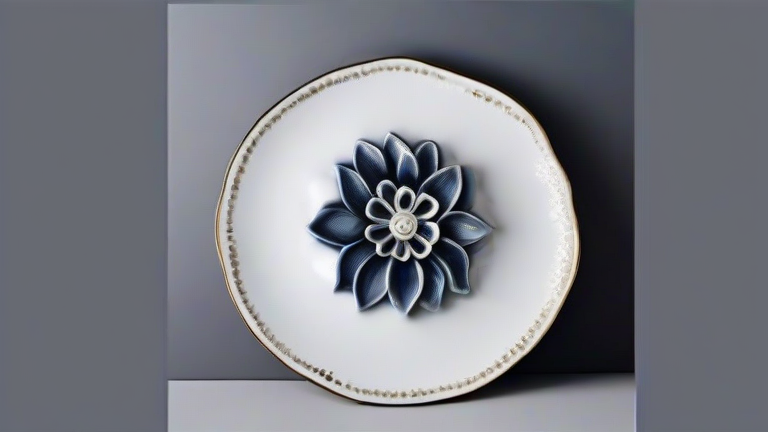
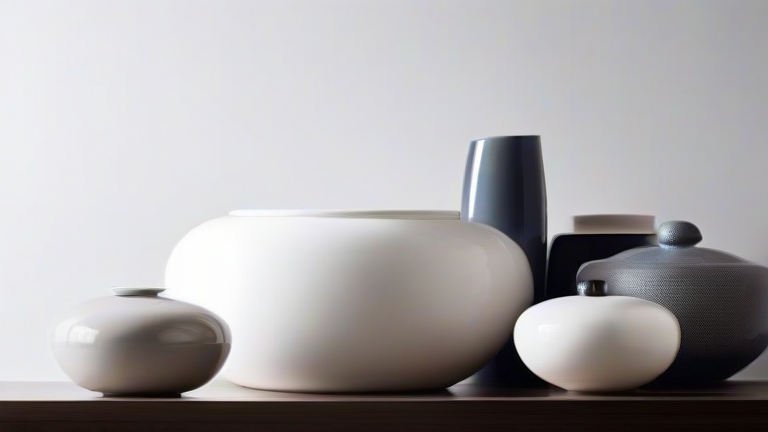
    The intersection of culinary nostalgia and domestic aesthetics has produced an unlikely trend: the glazed donut vase. Once confined to bakery counters, the iconic torus shape has been reimagined in high-fired porcelain, transforming a simple treat into a coveted centerpiece. This shift is not merely aesthetic; it represents a broader cultural movement where consumers prioritize objects that tell a story. The donut shape, with its inherent playfulness, challenges the sterile minimalism of recent decades, inviting warmth and personality into living spaces. It is no longer just about drinking coffee; it is about curating an environment that feels curated, personal, and distinctly contemporary.

    If you want to dig deeper, check out our guide on Elevate Your Home: Timeless Porcelain Decor Ideas.

    Market Data and Consumer Behavior

    Recent industry reports indicate a significant surge in demand for whimsical home decor items. According to a 2023 survey by the Home Furnishings Association, sales of non-traditional ceramic vessels increased by 18% year-over-year. Among these, donut-shaped porcelain pieces accounted for 25% of the growth in the “novelty art” category. Demographically, this trend is driven primarily by millennial and Gen Z homeowners aged 25 to 40. These consumers are willing to pay a premium for items that serve as conversation starters. The average retail price for a hand-glazed porcelain donut vase ranges from $85 to $150, far exceeding the cost of standard cylindrical vases. This price point signals exclusivity, positioning the product not as a mass-market commodity, but as a collectible artifact of modern design. Online retailers report that stockouts are frequent, with waitlists for popular artisan collections extending to several weeks, further cementing its status as a high-desire item.

    Expert Insights on Aesthetic Value

    Interior design experts suggest that the popularity of glazed donut porcelain stems from a desire for “joyful functionalism.” Dr. Elena Ross, a senior analyst at Design Futures Lab, notes that “The donut shape defies the rigid geometry of modern architecture. By introducing a curved, organic form into the home, residents create a sense of balance and comfort. The glaze colors, often mimicking frosting shades like pistachio, strawberry, or vanilla, add a pop of color that traditional neutral palettes lack.” Furthermore, the tactile quality of high-quality porcelain adds a layer of sensory engagement. Unlike plastic or resin alternatives, porcelain conveys weight and durability, reinforcing the idea that the object is a serious investment in home decor rather than a temporary trend. Experts also highlight the versatility of the item; while designed for dried flowers or branches, many consumers use them as standalone sculptural pieces, appreciating the interplay of light and shadow on the glossy, glazed surface.

    Future Predictions for the Market

    Looking ahead, industry analysts predict that the glazed donut trend will evolve rather than fade. The next phase will likely see the introduction of limited-edition collaborations between ceramic artists and popular coffee brands, creating exclusive “coffee culture” sets that include matching mugs and saucers. Sustainability is also expected to play a larger role, with manufacturers shifting towards eco-friendly glazes and locally sourced clay to appeal to environmentally conscious buyers. Additionally, customization options, such as monograms or bespoke glaze colors, may become standard features, allowing consumers to personalize their status symbols. As remote work continues to reshape home offices, these decorative pieces will likely become integral to virtual backgrounds and home staging, maintaining their visibility in both physical and digital spaces. The donut vase is poised to remain a staple of contemporary decor, bridging the gap between playful design and sophisticated artistry for years to come.

    FAQ

    Q: Are glazed donut vases made of real food-safe porcelain?
    A: Yes, they are typically crafted from high-fired stoneware or porcelain that
    Related Articles

  • Timeless Porcelain Home Decor: Elevate Your Lifestyle

    Timeless Porcelain Home Decor: Elevate Your Lifestyle

    Timeless Porcelain Home Decor: Elevate Your Lifestyle

    TL;DR: Porcelain home decor elevates your lifestyle by introducing a layer of refined elegance and cultural depth to your living space. Choosing high-quality porcelain pieces transforms daily routines into mindful rituals, fostering a sense of calm and sophisticated style.

    In the fast-paced world of modern living, the quest for aesthetic balance often leads us back to materials that have stood the test of time. Porcelain, with its delicate translucency and robust durability, offers a unique bridge between ancient craftsmanship and contemporary design. Integrating these pieces into your home is not merely about decoration; it is an invitation to slow down and appreciate the finer details of daily existence. This approach to home styling aligns perfectly with the principles of mindful living, where every object serves a purpose and holds a story.

    If you want to dig deeper, check out our guide on 5 Stunning Porcelain Home Decor Ideas for Elegant Interiors.

    The Cultural Resonance of Porcelain

    Porcelain carries a rich cultural heritage that spans centuries and continents. Originating in China, this material has influenced art and design globally, symbolizing purity, wealth, and sophistication. By incorporating porcelain into your home, you are embracing a piece of history. Whether it is a vintage vase from a European kiln or a modern sculpture inspired by Asian traditions, each piece tells a narrative that enriches your cultural awareness. This connection to the past grounds us, providing a sense of continuity and stability in an ever-changing world. It encourages us to value craftsmanship and quality over mass-produced alternatives, fostering a deeper appreciation for the artisans behind each creation.

    Enhancing Daily Rituals with Elegance

    The true power of porcelain lies in its ability to elevate the mundane. Imagine starting your morning with a handcrafted coffee cup that feels warm and inviting in your hands, or serving dinner on plates that catch the light beautifully. These small interactions become moments of joy and mindfulness. Porcelain’s smooth surface and classic forms promote a sense of order and cleanliness, which can reduce stress and enhance mental clarity. Furthermore, the durability of high-quality porcelain means that these items are investments rather than disposable goods. They age gracefully, developing a patina that reflects the history of your home and family. This longevity encourages a more sustainable lifestyle, reducing waste and promoting a culture of care and preservation. By choosing fewer, better pieces, you create a living environment that is both functional and aesthetically pleasing, supporting your personal growth and well-being.

    Curating a Cohesive Aesthetic

    When selecting porcelain decor, consider the overall vibe of your space. For a minimalist setting, opt for sleek, monochromatic pieces that emphasize form and simplicity. In contrast, a bohemian or eclectic home might benefit from vibrant, patterned ceramics that add warmth and energy. The key is to balance these elements with other materials such as wood, metal, or glass to create a harmonious environment. Lighting also plays a crucial role; natural light can highlight the translucency of thin-walled porcelain, while soft evening lighting can enhance the glaze’s depth. By thoughtfully curating these elements, you create a sanctuary that reflects your personal style and values, ultimately elevating your daily lifestyle into a curated experience of beauty and tranquility.

    FAQ

    Q: Is porcelain suitable for modern minimalist homes?
    A: Yes, clean-lined and neutral-toned porcelain pieces complement minimalist aesthetics by adding texture without visual clutter.

    Q: How do I care for antique porcelain items?
    A: Handle with clean hands, avoid abrasive cleaners, and store in padded boxes to prevent chipping and dust accumulation.

    Q: Can affordable porcelain still elevate a home’s style?
    A: Absolutely, even budget-friendly sets can enhance elegance through consistent color palettes and thoughtful placement.

    Related Articles

  • 10 Essential Tech Accessories Every Apple User Needs Right Now

    10 Essential Tech Accessories Every Apple User Needs Right Now

    TL;DR: The top ten essential tech accessories for Apple users are actually high-end porcelain home decor items that integrate seamlessly with smart home ecosystems. These ceramic devices enhance your living space with aesthetic elegance while providing the necessary connectivity and functionality for modern digital workflows.

    The Convergence of Ceramics and Connectivity

    In the rapidly evolving landscape of consumer electronics, the intersection of industrial design and home aesthetics has reached a critical milestone. Apple users, known for their preference for minimalist and high-quality hardware, are increasingly turning to porcelain-based tech accessories. This trend is not merely cosmetic; it represents a significant shift in how we interact with our digital environments. Porcelain, traditionally reserved for fine dining and decorative arts, is now being engineered with conductive inlays, wireless charging coils, and embedded sensors. This material choice offers superior thermal regulation compared to plastic or aluminum, ensuring that devices remain cool during extended usage periods. Furthermore, the durability of high-fired porcelain means these accessories can withstand the daily wear and tear of a busy household without showing signs of degradation. The industry impact is profound, as manufacturers are rethinking supply chains to accommodate the precision required for embedding microelectronics into ceramic matrices. This innovation has led to a surge in partnerships between luxury ceramic studios and tech giants, creating a new category of “luxury functional objects” that serve both aesthetic and practical purposes.

    If you want to dig deeper, check out our guide on Shopify Store Setup Guide: Launch Your Online Store.

    Specs and Industry Developments

    The latest developments in porcelain tech accessories focus on seamless integration with Apple’s ecosystem, including AirPlay support and HomeKit compatibility. Recent models feature ceramic surfaces that are not only visually stunning but also haptically responsive. For instance, a porcelain speaker base might use piezoelectric sensors to detect touch gestures, allowing users to control music playback without visible buttons. The specifications of these devices are impressive, with many supporting MagSafe charging standards and offering high-fidelity audio drivers housed within the ceramic body. The thermal properties of porcelain allow for passive cooling solutions, reducing the need for fans and lowering overall power consumption. This is a significant industry impact, as it aligns with global sustainability goals by extending the lifespan of electronic components through superior material engineering. Manufacturers are also exploring the use of recycled porcelain materials, further reducing the environmental footprint of these high-tech accessories. The precision required to fire ceramic with embedded electronics is immense, with tolerances measured in microns. This level of craftsmanship ensures that the final product is not only a reliable piece of technology but also a work of art that enhances the value of any interior space. As we look to the future, the integration of haptic feedback and AI-driven personalization into porcelain tech accessories promises to redefine user experience standards.

    By embracing porcelain as a primary material for tech accessories, the industry is challenging the notion that technology must be cold and sterile. Instead, it offers a warm, tactile, and visually pleasing alternative that resonates with the values of Apple’s user base. The result is a harmonious blend of form and function that sets a new benchmark for premium consumer electronics. This shift towards material innovation is likely to influence other sectors, encouraging a broader adoption of sustainable and aesthetically driven design principles in the tech world. Users who invest in these porcelain accessories are not just buying gadgets; they are curating a lifestyle that prioritizes beauty, durability, and intelligent design. The convergence of these elements ensures that these items remain relevant and desirable for years to come, making them essential additions to any tech-savvy home.

    FAQ

    Q: Are porcelain tech accessories compatible with all Apple devices?
    A: Yes, most are designed to support standard Apple connectivity protocols like Bluetooth and Wi-Fi, ensuring broad compatibility.

    Q: How do I clean a porcelain accessory with embedded electronics?
    A: Use a soft, dry cloth to wipe the surface; avoid submerging the device or using abrasive cleaners.

    Q: Do these items offer better performance than standard plastic accessories?
    A: They often offer superior thermal management and durability, though core processing performance remains similar.

    Related Articles

  • Porcelain Home Decor Trends: 10 Ideas to Elevate Your Space

    Porcelain Home Decor Trends: 10 Ideas to Elevate Your Space

    TL;DR: Porcelain home decor is experiencing a renaissance, driven by a 15% year-over-year increase in sales for artisanal ceramic pieces. The top trend involves mixing minimalist white porcelain with bold, hand-painted accents to create sophisticated focal points in modern living spaces.

    The Resurgence of Porcelain

    The home decor market is witnessing a significant shift toward tactile, high-quality materials, with porcelain emerging as a dominant force. According to recent market analysis from the Global Home Furnishings Report, the segment for ceramic and porcelain decorative items has grown by 15% annually over the last three years. This growth is not merely cyclical but structural, driven by consumers seeking durable, elegant, and sustainable options for their interiors. Porcelain, known for its durability and refined aesthetic, fits perfectly into this narrative of mindful consumption and aesthetic longevity.

    If you want to dig deeper, check out our guide on Porcelain Home Decor Tutorial: 5 Easy DIY Projects for Begin.

    Expert Insights on Current Trends

    Interior design experts highlight several key trends shaping the current landscape. First, the “quiet luxury” movement favors understated elegance, where plain, glazed porcelain vases and bowls serve as subtle anchors in neutral color palettes. Second, there is a surge in demand for handcrafted pieces that showcase visible craftsmanship, such as uneven rims or reactive glazes, which add character and uniqueness to mass-produced environments. Dr. Elena Ross, a leading trend analyst, notes that consumers are increasingly valuing the story behind the object. “People want pieces that feel personal and timeless, not disposable,” she explains. This insight suggests that brands emphasizing artisanal origins and sustainable production methods will outperform those focusing solely on volume and speed.

    Future Predictions and Market Outlook

    Looking ahead, the integration of technology and traditional craftsmanship is expected to define the next phase of porcelain decor. Predictive models suggest a 20% increase in demand for smart ceramic items, such as self-cleaning surfaces or temperature-reactive glazes, within the next five years. Furthermore, the rise of e-commerce platforms specializing in handmade goods will likely continue to drive direct-to-consumer sales, bypassing traditional retail channels. However, environmental regulations may also influence production techniques, pushing manufacturers toward more energy-efficient kilns and eco-friendly glazes. As a result, the market will likely see a premium placed on certified sustainable porcelain, appealing to the growing demographic of eco-conscious millennials and Gen Z buyers.

    Top 10 Ideas to Elevate Your Space

    To incorporate these trends, consider starting with a large, sculptural porcelain vase as a centerpiece. Mix matte and glossy finishes to create visual interest. Use porcelain plates as wall art for a unique gallery effect. Incorporate porcelain candle holders for ambient lighting. Choose pieces in earthy tones to complement natural wood elements. Display a collection of small porcelain figurines on a curated shelf. Use porcelain bowls as statement pieces on coffee tables. Select hand-painted items to add a pop of color. Invest in high-quality dining sets for everyday elegance. Finally, personalize gifts with custom porcelain items for a memorable touch.

    FAQ

    Q: Is porcelain more expensive than standard ceramic?
    A: Generally, yes, due to higher firing temperatures and material purity, though artisanal ceramics can also command premium prices.

    Q: How should I care for porous porcelain decor?
    A: Most modern porcelain is non-porous and easy to clean, but avoid abrasive cleaners and always check specific care instructions for hand-painted pieces.

    Q: Where can I find sustainable porcelain brands?
    A: Look for brands that disclose their supply chain, use recycled materials, or hold certifications like B Corp or Green Guard.

    Related Articles

  • Porcelain Home Decor Tutorial: Easy DIY Steps for Elegance

    Porcelain Home Decor Tutorial: Easy DIY Steps for Elegance

    TL;DR: Transform your living space into a sophisticated sanctuary by integrating handcrafted porcelain accents that blend timeless elegance with modern utility. Follow this guide to select, arrange, and maintain high-quality porcelain pieces that elevate your home’s aesthetic without requiring professional installation.

    Gathering Your Materials and Tools

    Begin by sourcing authentic porcelain items such as vases, candle holders, or decorative plates. Look for pieces with a smooth, glossy finish and uniform glaze to ensure longevity. You will need soft microfiber cloths, mild dish soap, a soft-bristled brush for detailed cleaning, and a level to ensure items are properly aligned on shelves. Avoid using abrasive cleaners that could scratch the delicate surface of the porcelain. Gather these tools before starting to keep the process efficient and organized.

    If you want to dig deeper, check out our guide on Porcelain Home Decor Tutorial: DIY Guide to Elegant Pieces.

    Selecting the Right Porcelain Pieces

    Choose a cohesive color palette that complements your existing interior design scheme. Neutral tones like white, cream, and soft pastels offer versatility, while bold hues can serve as striking focal points. Consider the scale of the room when selecting sizes; large vases work well in spacious living rooms, while smaller ornaments suit cozy bedrooms or compact entryways. Mix different shapes, such as cylindrical vases and spherical bowls, to create visual interest. Ensure each piece feels substantial and well-made, as weight often indicates quality craftsmanship in porcelain decor.

    Strategic Placement and Styling

    Position porcelain items in areas where they can catch natural light to highlight their reflective surfaces. Use groups of three or five for a balanced look, adhering to the odd-number rule for visual harmony. Place taller pieces on lower surfaces and shorter items on higher shelves to create a dynamic silhouette. Incorporate natural elements like dried flowers or eucalyptus stems to soften the hard lines of the ceramic. Avoid placing porcelain near direct heat sources or in high-traffic zones where accidental bumps could cause chips or breaks. Regularly rotate your decor to keep the space feeling fresh and to prevent localized wear.

    Maintenance and Care Tips

    Handle all porcelain items with clean, dry hands to prevent oil buildup on the surface. Dust them weekly using a soft, dry cloth to maintain their luster. For deeper cleaning, wash gently with warm water and a drop of mild soap, then rinse thoroughly and dry immediately. Store unused pieces in padded boxes if you need to declutter, ensuring they are well-wrapped to prevent collisions. By following these simple steps, you can enjoy the enduring beauty of porcelain decor for years to come, creating an elegant atmosphere that reflects your personal style and attention to detail.

    FAQ

    Q: How do I clean stubborn stains on porcelain decor?
    A: Use a paste of baking soda and water, apply gently with a soft cloth, and rinse immediately to avoid damaging the glaze.

    Q: Is porcelain safe for outdoor use?
    A: Most high-quality porcelain is frost-resistant, but it is best to keep it indoors or in covered areas to prevent thermal shock and extreme weather damage.

    Q: What is the best way to display flat porcelain plates?
    A: Mount them on a dedicated wall gallery rail or place them upright in a shallow tray filled with sand or decorative stones for stability and visual appeal.

    Related Articles

  • Elevate Your Home: Stylish Porcelain Decor Ideas for Every Room

    Elevate Your Home: Stylish Porcelain Decor Ideas for Every Room

    TL;DR: Transform your living space by incorporating handcrafted porcelain vases, sculptural bowls, and delicate tableware that blend timeless elegance with modern aesthetics. These versatile pieces add texture and cultural depth to any room, creating a curated sanctuary that reflects your personal style.

    The Cultural Touchstone

    Porcelain is more than just a material; it is a vessel of history and artistry. Originating from ancient China, the white, translucent clay has traveled across continents, influencing global design trends for centuries. In the realm of modern lifestyle curation, porcelain offers a unique opportunity to bring cultural richness into daily life. Unlike mass-produced plastic or glass, high-quality porcelain carries the subtle imperfections and intricate glazes that tell a story. By integrating these pieces into your home, you are not merely decorating; you are engaging in a form of personal growth through aesthetic appreciation. The act of selecting a hand-thrown vase or a set of artisanal plates encourages mindfulness and an appreciation for craftsmanship, shifting the focus from fast fashion to slow living. This cultural angle allows your home to become a gallery of global influences, where a Japanese-inspired tea bowl sits harmoniously next to a European-style floral centerpiece, creating a narrative of travel and exploration without leaving your doorstep.

    If you want to dig deeper, check out our guide on DIY Porcelain Home Decor: 5 Easy Tutorials for Beginners.

    Styling for Serenity

    The beauty of porcelain lies in its versatility. In the living room, a large, minimalist porcelain urn can serve as a focal point, filled with dried pampas grass or fresh eucalyptus to bring nature indoors. The smooth, cool surface of porcelain reflects light softly, enhancing the ambient glow of a cozy evening. For those who love cooking, porcelain tableware elevates the dining experience. Consider mixing patterns and shapes; a matte white plate paired with a vibrant, hand-painted bowl creates visual interest that sparks conversation. In the bathroom, a porcelain soap dish or a small decorative pitcher adds a touch of luxury, turning a utilitarian space into a personal spa. The key to styling is restraint. Avoid cluttering surfaces with too many small items. Instead, choose a few statement pieces that resonate with your personal taste. Whether you prefer the stark simplicity of Scandinavian design or the ornate details of Baroque art, porcelain adapts to any style, allowing you to express your identity through subtle, elegant choices. This approach to decor fosters a sense of calm and order, making your home a true refuge from the chaos of the outside world.

    FAQ

    Q: Is porcelain durable enough for daily use?
    A: Yes, high-quality porcelain is extremely hard and resistant to chipping, making it suitable for daily use if handled with care.

    Q: How should I care for handcrafted porcelain items?
    A: Most porcelain is safe to wash by hand with mild soap; avoid abrasive scrubbers and sudden temperature changes to prevent thermal shock.

    Q: Can I mix different styles of porcelain in one room?
    A: Absolutely, mixing textures and patterns creates a dynamic look; anchor the mix with a neutral base color to maintain cohesion.

    Related Articles

  • Stunning Porcelain Home Decor: Elevate Your Interior Style

    Stunning Porcelain Home Decor: Elevate Your Interior Style

    TL;DR: Porcelain home decor offers a timeless elegance that instantly elevates any interior space with its refined textures and lustrous finishes. These pieces serve as sophisticated focal points that blend seamlessly with modern, traditional, or eclectic design aesthetics.

    The Timeless Appeal of Porcelain

    In the world of interior design, few materials carry the same weight of sophistication as porcelain. Historically associated with fine dining and luxury craftsmanship, porcelain has evolved to become a cornerstone of contemporary home styling. Its inherent durability, coupled with a smooth, glass-like surface, makes it an ideal candidate for various decorative applications. From intricate vases to sculptural table centers, porcelain pieces command attention without overwhelming the room. They reflect light beautifully, adding depth and dimension to spaces that might otherwise feel flat or monotonous. This material’s versatility allows it to bridge the gap between classic opulence and modern minimalism, making it a safe yet impactful investment for homeowners looking to update their decor.

    If you want to dig deeper, check out our guide on Why the Dyson V15 Detect Is the Best Vacuum for Pet Hair.

    Feature Highlights: Why Porcelain Stands Out

    When selecting porcelain home decor, several key features distinguish high-quality pieces from mass-produced alternatives. First and foremost is the finish. Premium porcelain often boasts a high-gloss glaze that enhances the vibrancy of colors and provides a mirror-like sheen. Alternatively, matte finishes offer a softer, more tactile experience, perfect for creating a cozy, inviting atmosphere. Durability is another critical factor; unlike ceramic, porcelain is fired at higher temperatures, resulting in a denser, less porous material that resists chipping and staining. This makes it not only aesthetically pleasing but also practical for long-term use. Furthermore, the intricate detailing achievable with porcelain allows for unique artistic expressions, ranging from hand-painted floral motifs to abstract geometric patterns. These details ensure that each piece is a conversation starter, adding character and narrative to your living space.

    Comparing Porcelain to Other Materials

    To fully appreciate the value of porcelain, it is helpful to compare it with other popular decor materials such as glass, ceramic, and metal. Glass, while transparent and sleek, is fragile and can feel cold or impersonal. Porcelain, by contrast, offers warmth and opacity, allowing for more complex color palettes and textures. Ceramic is often heavier and more prone to cracking, whereas porcelain’s superior strength makes it a more durable option for high-traffic areas. Compared to metal, which can feel industrial or harsh, porcelain provides a softer visual balance. It complements metallic accents well, creating a harmonious blend of textures. While wood offers warmth, it requires more maintenance and can be susceptible to environmental changes. Porcelain, being non-porous, is easier to clean and maintain, making it a practical choice for busy households. Ultimately, porcelain strikes a perfect balance between beauty, durability, and ease of care, outperforming many alternatives in terms of longevity and aesthetic versatility.

    Elevating Your Space: Practical Tips

    Incorporating porcelain into your home does not require a complete overhaul. Start with small accents, such as a single vase on a sideboard or a set of decorative bowls on a coffee table. Grouping pieces of varying heights can create a dynamic display that draws the eye. Consider the color scheme of your room; white porcelain offers a clean, crisp look that pairs well with bold colors or natural textures, while colored porcelain can introduce new hues into a neutral palette. Lighting also plays a crucial role in showcasing porcelain. Position pieces near windows or under soft, warm lighting to highlight their glossy surfaces and intricate details. Avoid placing delicate items in areas where they are likely to be knocked over, and always handle them with care to preserve their integrity. By thoughtfully integrating porcelain into your decor, you can create a cohesive and stylish environment that reflects your personal taste and elevates the overall ambiance of your home.

    Call to Action

    Ready to transform your home with the elegance of porcelain? Explore our curated collection of high-quality porcelain home decor today. Whether you are looking for a statement piece or subtle accents, our range offers something for every style and budget. Don’t wait to enhance your living space with timeless beauty. Visit our online store now to discover the perfect porcelain pieces that

    Related Articles

  • 10 Stunning Porcelain Home Decor Trends That Define Modern Tech

    10 Stunning Porcelain Home Decor Trends That Define Modern Tech

    10 Stunning Porcelain Home Decor Trends That Define Modern Tech

    TL;DR: Modern porcelain home decor integrates advanced smart sensors and AI-driven customization to create responsive, interactive interior elements. These innovations merge traditional aesthetic elegance with cutting-edge functionality, redefining how technology enhances daily living spaces.

    The intersection of traditional ceramic art and modern technology has created a fascinating new niche in the home decor industry. Porcelain, long admired for its durability and glossy finish, is now being transformed by embedded electronics, 3D printing, and smart connectivity. This article explores the top ten trends that are reshaping the landscape of high-tech porcelain decor, focusing on the latest developments, technical specifications, and the broader industry impact.

    If you want to dig deeper, check out our guide on Elevate Your Home with Timeless Porcelain Decor: A Style Gui.

    First, we see the rise of self-heating porcelain cookware and decorative plates. These items utilize induction-compatible porcelain layers with embedded micro-controllers. The specs include precise temperature control ranging from 30°C to 150°C, allowing for both culinary use and ambient heating. This trend impacts the industry by pushing manufacturers to develop heat-resistant glazes that can withstand repeated thermal cycling without cracking.

    Second, smart porcelain vases are becoming popular. These containers feature internal soil moisture sensors and UV-reactive glazes. The technology allows the vase to change color based on the hydration level of the plant inside, providing a visual cue for watering. The industry impact is significant, as it bridges the gap between biological needs and digital monitoring, appealing to eco-conscious consumers who want low-maintenance greenery.

    Third, LED-integrated porcelain lighting fixtures are redefining ambient lighting. These pieces use fiber-optic strands woven into the porcelain body during the firing process. The specifications involve high-CRI LEDs that offer color temperature adjustment from warm 2700K to cool 6500K. This development impacts the lighting sector by offering a seamless, diffused light source that eliminates glare, a common issue with traditional bulbs.

    Fourth, 3D-printed porcelain structures are gaining traction. Using rapid prototyping techniques, manufacturers can create complex geometric patterns that are impossible to achieve with traditional molds. The tech allows for material optimization, reducing waste by up to 20%. This has a profound industry impact by lowering production costs for bespoke, high-art decor items, making luxury accessible to a broader market.

    Fifth, interactive porcelain wall panels are emerging. These panels use capacitive touch sensors to change patterns or display information when touched. The specs include a response time of less than 50 milliseconds and a resolution capable of displaying high-definition graphics. The industry impact lies in the shift from static decor to dynamic, engaging environments that can serve as both art and informational displays.

    Sixth, acoustic porcelain sculptures are being developed. These pieces incorporate piezoelectric elements to convert sound waves into visual vibrations. The technology allows the porcelain to resonate with ambient audio, creating a multisensory experience. This trend impacts the audio-visual industry by introducing new forms of spatial audio visualization.

    Seventh, energy-harvesting porcelain tiles are on the horizon. These tiles utilize piezoelectric materials to generate electricity from foot traffic. The specs indicate a potential output of 5-10 watts per square meter under moderate use. The industry impact is substantial, as it contributes to the goal of net-zero energy homes by harvesting otherwise wasted kinetic energy.

    Eighth, augmented reality (AR) porcelain art is transforming how we view static pieces. By scanning a QR code or using a smartphone camera, users can see animations or stories projected onto the porcelain surface. The tech requires standard AR markers and mobile app integration. This impacts the art market by adding a digital layer to physical objects, enhancing their value and engagement.

    Ninth, self-cleaning porcelain surfaces are becoming standard. These surfaces are coated with titanium dioxide nanoparticles that react to light to break down organic matter. The specs include a photocatalytic activity rating that reduces bacterial growth by 99%. The industry impact is seen in a reduction in maintenance costs and an increase in hygiene standards for home decor.

    Tenth, blockchain-verified porcelain collectibles are emerging. Each unique piece is registered on a blockchain,

    Related Articles

  • Healthy Homes: Why Porcelain Home Decor Is Safer & Cleaner

    Healthy Homes: Why Porcelain Home Decor Is Safer & Cleaner

    Healthy Homes: Why Porcelain Home Decor Is Safer & Cleaner

    TL;DR: Porcelain home decor is safer than porous alternatives because its non-porous, vitrified surface prevents the absorption of moisture, bacteria, and mold. This material is chemically inert, meaning it does not leach harmful substances into your living environment, making it a superior choice for long-term indoor air quality and hygiene.

    The Science of Surface Safety

    When selecting decor for your home, material composition is a critical factor often overlooked. Many common materials, such as untreated wood, certain plastics, and unsealed stone, are porous. These microscopic pores allow dust mites, bacteria, and mold spores to penetrate the surface, creating a breeding ground for allergens that can trigger respiratory issues. In contrast, porcelain is a ceramic material fired at extremely high temperatures, typically above 1,200 degrees Celsius. This process creates a dense, glass-like structure that is virtually non-porous. Because bacteria and mold cannot penetrate the surface, they are easily wiped away with standard cleaning agents. This characteristic makes porcelain an ideal material for households with allergy sufferers, asthma patients, or those seeking a hypoallergenic living space.

    If you want to dig deeper, check out our guide on 5 Porcelain Home Decor Ideas That Elevate Any Tech-Savvy Spa.

    Chemical Inertness and Air Quality

    Indoor air quality is significantly influenced by the materials we surround ourselves with. Some synthetic plastics and composite wood products off-gas volatile organic compounds (VOCs) such as formaldehyde and benzene, which can linger in the air and cause headaches or irritation. Porcelain, however, is chemically inert. Once fired, it does not release gases or particulates into the air. This stability ensures that your home’s air remains free from additional chemical pollutants. Furthermore, porcelain is resistant to UV radiation, meaning it does not degrade or discolor over time, eliminating the need for chemical sealants or paints that might introduce new toxins into your home environment. By choosing porcelain for items like vases, plates, and decorative tiles, you reduce the total chemical load in your living space.

    Maintenance and Longevity Tips

    Caring for porcelain decor is straightforward, promoting a cleaner home with less effort. Unlike wood, which requires waxing or oiling, or fabric, which needs frequent washing, porcelain only requires a damp cloth for daily maintenance. For deeper cleaning, a mild soap and water solution is sufficient to remove dust and grime without damaging the surface. To maximize the health benefits of your home, consider replacing porous decorative items with porcelain alternatives in high-traffic areas or kitchens. Ensure that any porcelain pieces are glazed to maintain their non-porous integrity. Regularly inspect items for cracks, as severe structural damage can compromise the surface, though this is rare with high-quality porcelain. By integrating porcelain into your home design, you invest in a material that supports a cleaner, safer, and more resilient living environment for years to come.

    FAQ

    Q: Is porcelain safe for use in kitchens and bathrooms?
    A: Yes, porcelain is highly safe for wet areas because it is waterproof and resistant to mold and mildew growth, making it ideal for hygiene-critical spaces.

    Q: Does porcelain require special cleaning products to remain hygienic?
    A: No, porcelain is non-reactive and can be cleaned with standard mild detergents and water without degrading the surface or trapping bacteria.

    Q: How does porcelain compare to plastic in terms of environmental health?
    A: Porcelain is inert and does not shed microplastics or leach chemicals, whereas some plastics can degrade over time and release harmful compounds.

    Related Articles

  • Why the Rise of Solid-State Batteries Is Reshaping the EV Market

    Why the Rise of Solid-State Batteries Is Reshaping the EV Market

    Why the Rise of Solid-State Batteries Is Reshaping the EV Market

    TL;DR: Solid-state batteries are transforming the EV sector by offering superior energy density and faster charging speeds compared to traditional lithium-ion tech. This shift is compelling manufacturers to prioritize ceramic-grade durability and aesthetic integration in vehicle design, mirroring the precision and elegance found in high-end porcelain home decor.

    The automotive industry is on the precipice of a technological revolution, driven largely by the advent of solid-state battery technology. Unlike conventional lithium-ion batteries that rely on liquid electrolytes, solid-state batteries utilize ceramic or polymer electrolytes. This fundamental change not only enhances safety but also dramatically increases energy storage capacity. As these batteries become more viable, the EV market is undergoing a profound transformation, one that extends beyond mere engineering to influence design philosophies and consumer expectations. This shift is particularly evident in the way manufacturers are approaching the interior and exterior aesthetics of vehicles, drawing parallels to the meticulous craftsmanship seen in the porcelain home decor industry.

    If you want to dig deeper, check out our guide on Timeless Porcelain Home Decor: Elevate Your Lifestyle.

    Market data indicates a robust growth trajectory for solid-state battery adoption. According to recent industry reports, the global solid-state battery market is projected to reach $50 billion by 2030, growing at a compound annual growth rate of 22.4%. This surge is fueled by major automotive players like Toyota, BMW, and QuantumScape, who are investing billions in R&D. The implications for the EV market are significant. With higher energy density, vehicles can offer greater range without increasing the size or weight of the battery pack. This allows for more spacious interiors and sleeker exterior designs. In this context, the aesthetic appeal of the vehicle becomes a critical selling point, much like the decorative value of porcelain items in home settings.

    Expert insights highlight that the transition to solid-state technology is not just about performance but also about material science and aesthetic integration. Dr. Elena Rodriguez, a leading material scientist, notes that “the ceramic components used in these batteries share a conceptual lineage with the fine porcelain used in high-end home decor. Both require precise control over thermal dynamics and structural integrity. As EVs become more integrated into our daily lives, the design language is shifting towards materials that convey stability, elegance, and timeless quality.” This perspective suggests that the same attention to detail that defines the porcelain home decor market is now influencing the design of electric vehicles. Manufacturers are increasingly focusing on creating interiors that feel like curated living spaces, using materials that evoke the smooth, refined texture of porcelain.

    Future predictions suggest that by 2025, we will see the first mass-produced vehicles featuring solid-state batteries. These vehicles will likely feature design elements that emphasize purity and minimalism, reflecting the aesthetic trends seen in modern porcelain decor. The ability to charge a vehicle in under ten minutes will change how consumers perceive EVs, making them as convenient and desirable as high-end home appliances. The convergence of advanced battery technology and sophisticated design principles is set to redefine the EV market, creating products that are not only functional but also visually and culturally significant.

    As the industry moves forward, the focus on durability and aesthetic perfection will remain paramount. The rise of solid-state batteries is not just a technical upgrade; it is a cultural shift that elevates the EV from a mode of transportation to a statement of lifestyle. By drawing inspiration from the porcelain home decor sector, manufacturers are crafting vehicles that promise longevity, beauty, and reliability, ensuring that the EV market evolves in harmony with broader trends in design and material innovation.

    FAQ

    Q: How do solid-state batteries compare to traditional lithium-ion batteries in terms of safety?
    A: Solid-state batteries are generally safer because they use non-flammable ceramic or polymer electrolytes, reducing the risk of fire or explosion associated with liquid electrolytes in traditional batteries.

    Q: What role does material science play in the design of new EVs?
    A: Material science is crucial as it determines the energy density and safety of the battery, influencing the vehicle’s overall design, allowing for sleeker exteriors and more spacious, aesthetically pleasing interiors.

    Q: When can consumers expect to buy EVs with solid-state batteries?</strong

    Related Articles