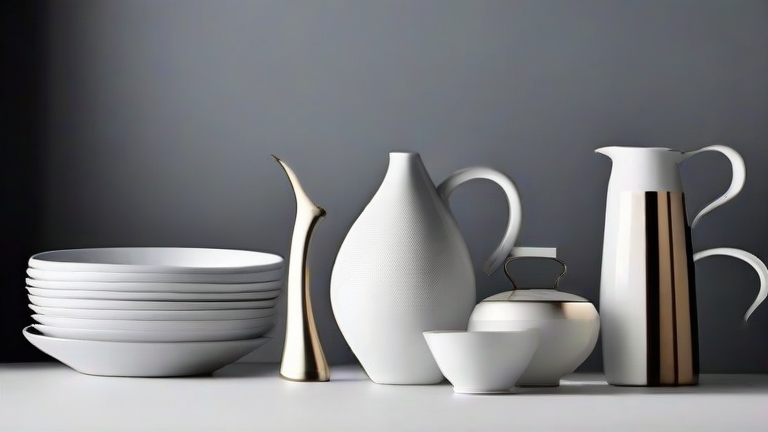
TL;DR: Transform your living space with elegant porcelain accents by mastering simple glazing techniques and safe installation methods. This guide provides essential steps for creating custom vases, plate wall art, and delicate candle holders that bring sophistication to any room.
Understanding Porcelain Basics
Porcelain is distinct from other ceramics due to its high firing temperature, resulting in a dense, white, and translucent material. Its durability makes it ideal for long-term home decor projects. Before starting any DIY project, ensure you have the correct tools, including a ceramic knife for cutting, acrylic paints for surface decoration, and a heat-resistant sealant. Always handle porcelain with care, as it is fragile despite its hardness. Choose pieces that complement your existing interior design style, whether modern, rustic, or traditional. Clean all surfaces thoroughly with a damp cloth to remove dust before applying any decorative elements. Proper preparation ensures that your final creations remain beautiful and functional for years to come.
If you want to dig deeper, check out our guide on 5 Stunning Porcelain Home Decor Ideas to Elevate Your Space.
Creating Plate Wall Art
Repurposing old or mismatched porcelain plates into stunning wall art is a popular and effective home decor technique. Begin by selecting plates of similar size to ensure visual harmony. Use a strong adhesive specifically designed for ceramic to attach a wooden backing board. Arrange the plates in a circular or grid pattern on the backing before gluing them permanently. Once the adhesive dries, you can paint the rim or entire surface with metallic or matte finishes. Apply a clear varnish to protect the paint from dust and moisture. Hang the finished piece using heavy-duty hooks suitable for the weight of the ceramic. This project adds a unique focal point to dining rooms or entryways. Ensure the wall surface is strong enough to support the weight, especially if using large or thick plates.
DIY Porcelain Vases
Transform simple porcelain bowls or cups into chic vases for fresh flowers or dried stems. Start by sanding the exterior lightly with fine-grit sandpaper to help paint adhere better. Wash the piece and let it dry completely. Use acrylic paints to create patterns or solid colors, allowing each layer to dry thoroughly before applying the next. Once the paint is fully cured, apply a waterproof sealant to protect the interior and exterior. This is crucial if you plan to use the vase for water-filled flowers. For a rustic look, wrap the middle section with jute twine or attach small wooden beads. These vases serve as perfect centerpieces or table accents. Remember that porcelain is non-porous, so sealing the inside prevents leaks and maintains the structural integrity of the piece over time.
Maintaining Your Porcelain Decor
Proper maintenance extends the life of your porcelain home decor items. Dust them regularly with a soft, dry cloth to prevent buildup. Avoid using abrasive cleaners or harsh chemicals that could scratch the glaze. If your piece is painted or sealed, clean it gently with a mild soap solution and a soft sponge. Keep porcelain items away from direct sunlight for extended periods to prevent paint fading or heat stress. Inspect glued joints periodically to ensure they remain secure. If a piece cracks, consider repairing it with a specialized ceramic adhesive, though prevention is always better than repair. By following these simple care instructions, your handmade porcelain decor will remain a highlight of your home for many years, showcasing your creativity and attention to detail.
FAQ
Q: Can I use regular household glue for porcelain projects?
A: No, standard household glues often fail under the weight and thermal changes of porcelain. Use specialized ceramic adhesive or epoxy for strong, lasting bonds.
Q: Is porcelain safe to paint with acrylics?
A: Yes, acrylic paints are safe for porcelain surfaces. Ensure you seal the paint with a food-safe or heat-resistant varnish if the item will hold food or water.
Q: How do I prevent porcelain from cracking during painting?
A: Avoid applying thick layers of paint that trap moisture. Allow each thin layer to dry completely, and do not expose the piece to extreme temperature changes while curing.
Leave a Reply