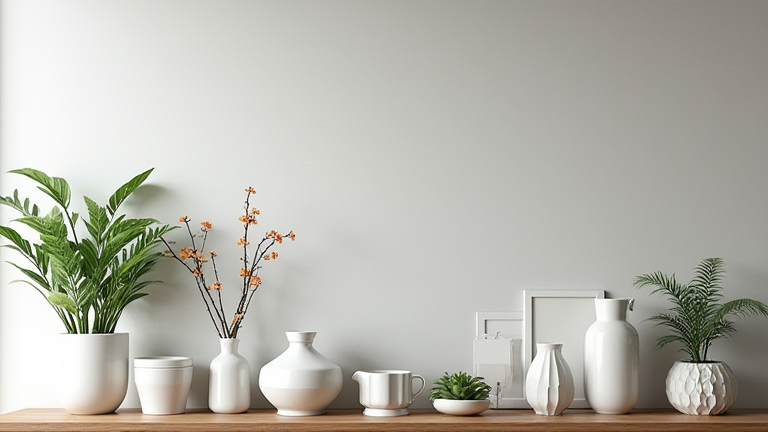
TL;DR: You can create stunning porcelain home decor by mastering basic techniques like glazing, stamping, and simple molding. Follow these five beginner-friendly tutorials to transform plain white porcelain pieces into personalized vases, bowls, and ornaments that add elegance to any room.
1. Glazed Gradient Vases
Start with a plain white porcelain vase. Mix two different colored glazes, such as soft blue and white. Dip the bottom third of the vase into the darker glaze, then dip the middle section into the lighter one. Allow the glaze to drip naturally for an organic look. Fire the piece in a kiln according to your glaze manufacturer’s instructions. This technique creates a beautiful, watercolor effect that is perfect for modern minimalist interiors. Tip: Use a damp sponge to wipe away excess glaze from the rim to create a clean, contrasting edge.
If you want to dig deeper, check out our guide on Elevate Your Home: 10 Stunning Porcelain Decor Ideas.
2. Stamped Pattern Bowls
Choose a shallow porcelain bowl. Design a simple pattern using a rubber stamp or carve your own from eraser material. Apply a thin layer of underglaze paint to the stamp. Press the stamp firmly onto the bowl’s exterior in a repeating pattern. Repeat until the design covers your desired area. Once dry, apply a clear overglaze to protect the design. This method is ideal for creating rustic or botanical themes. Tip: Practice your stamping technique on a scrap piece of porcelain before committing to the final bowl to ensure even pressure and clean lines.
3. Decal Ornaments
Purchase pre-printed porcelain decals featuring floral or geometric designs. Cut out your chosen design. Soak the decal in warm water for thirty seconds to loosen the adhesive backing. Slide the paper backing off the decal. Carefully position the decal onto the surface of a small porcelain ornament or plate. Smooth out any air bubbles with a soft cloth. Fire the piece to bond the decal permanently. This is the easiest method for beginners who want a polished, professional look without painting skills.
4. Kintsugi Repair Art
Take a broken porcelain cup or plate. Clean the shards thoroughly. Mix gold or silver kintsugi paste. Apply the paste to the edges of the broken pieces and fit them back together. Use a clamp or tape to hold the pieces in place while the paste dries. This Japanese art form celebrates imperfections and turns breakage into a unique feature. Tip: Allow the paste to cure completely for 24 hours before handling the piece to ensure the repair is strong and durable.
5. Mosaic Tile Coasters
Break leftover porcelain tiles into small, manageable pieces. Arrange the shards in a decorative pattern on a flat surface. Use a strong ceramic adhesive to glue the shards to a square porcelain base. Fill the gaps between the shards with grout. Wipe away excess grout with a damp cloth. Seal the finished coaster with a clear ceramic sealer. These coasters are practical, durable, and add a splash of color to your kitchen table. Tip: Wear safety glasses when breaking tiles to protect your eyes from small shards.
FAQ
Q: Do I need a kiln for all these projects?
A: Yes, most porcelain glazes and underglazes require high-heat firing to bond permanently, though some air-dry specialty paints exist for non-heat methods.
Q: Can I use regular paint on porcelain?
A: No, standard craft paints will not adhere well or withstand washing, so always use ceramic-specific underglazes or overglazes for durability.
Q: How do I clean my finished porcelain decor?
A: Wash gently with mild soap and water, avoiding abrasive scrubbers, especially on glazed or kintsugi-repaired surfaces to prevent damage.
Leave a Reply