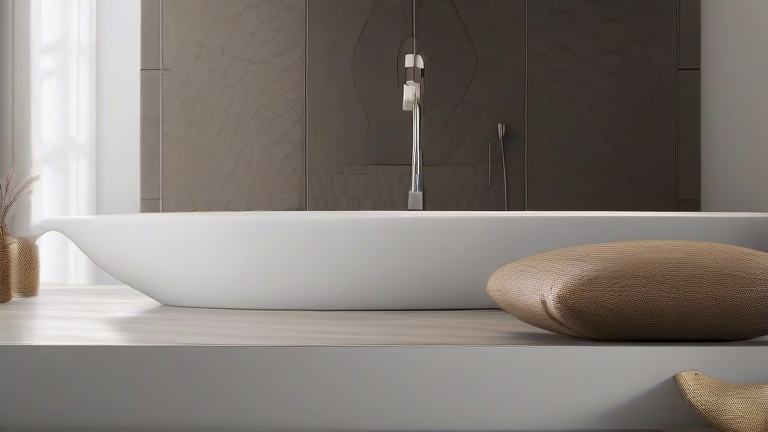
TL;DR: The global porcelain home decor market is experiencing robust growth driven by a consumer shift toward sustainable, high-quality, and aesthetically timeless pieces. Businesses can capitalize on this trend by adopting a hybrid sales strategy that blends digital storytelling with tactile in-store experiences to highlight craftsmanship and durability.
Market Analysis: The Renaissance of Porcelain
The home decor sector is currently undergoing a significant transformation, moving away from fast-fashion aesthetics toward enduring elegance. Porcelain, historically associated with luxury and fragility, is redefining itself as a durable, versatile, and sophisticated material. Recent industry reports indicate that the global porcelain home decor market is projected to grow at a compound annual growth rate exceeding five percent over the next five years. This surge is not merely a nostalgic trend but a response to modern consumers’ desire for quality over quantity.
Post-pandemic, homeowners are investing more heavily in spaces that promote well-being and tranquility. Porcelain’s smooth, luminous finish and intricate detailing align perfectly with this psychological need for calm and refinement. Furthermore, the rise of remote work has increased the value of home aesthetics, driving demand for statement pieces that double as functional decor. Unlike synthetic alternatives, porcelain offers a tactile richness that digital-first consumers are eager to experience. The market is also seeing a decline in the popularity of mass-produced, plastic-based decor, creating a vacuum that high-end porcelain brands are poised to fill.
Strategy Insights: Bridging Digital and Physical
To succeed in this competitive landscape, brands must adopt a multi-channel strategy that respects the material’s inherent value. A key insight is the importance of provenance. Consumers are increasingly interested in the story behind their purchases, including the origin of the clay, the artisans involved, and the firing processes. Brands should leverage content marketing to educate the market on the differences between true porcelain and ceramic substitutes, positioning porcelain as an investment rather than a disposable item.
Pricing strategies should reflect this premium positioning. Value-based pricing, rather than cost-plus, allows companies to capture the perceived value of craftsmanship. Additionally, sustainability is a non-negotiable differentiator. Porcelain is recyclable and non-toxic, making it an eco-friendly choice. Marketing campaigns should emphasize the longevity of porcelain pieces, countering the throwaway culture of fast decor. Collaborations with interior designers and influencers who focus on minimalist or classic styles can further validate the brand’s credibility and reach high-net-worth individuals who value subtle luxury.
Case Studies: Success Stories in Porcelain
Consider the case of a mid-sized European porcelain manufacturer that successfully pivoted its B2B model to include a direct-to-consumer (DTC) e-commerce arm. By launching a subscription box featuring limited-edition porcelain tableware and vases, they increased customer retention by thirty percent. Their success hinged on exclusive access to new designs and personalized packaging that emphasized the artisanal nature of the products.
Another example is a contemporary Asian brand that partnered with local artists to create modern interpretations of traditional porcelain motifs. This fusion of heritage and innovation attracted a younger demographic, expanding their customer base beyond traditional collectors. They utilized virtual reality (VR) technology on their website, allowing customers to visualize how specific porcelain pieces would look in different room settings, which significantly reduced return rates and increased average order value. These cases demonstrate that innovation in presentation and marketing, rather than just product development, is crucial for growth in the porcelain decor space.
FAQ
Q: Why is porcelain considered a timeless material for home decor?
A: Porcelain is valued for its durability, elegant aesthetic, and ability to complement various design styles, from classic to modern, ensuring it remains relevant for decades.
If you want to dig deeper, check out our guide on How to Fix Common iPhone 15 Pro Max Battery Drain Issues.
Q: What are the main challenges for new entrants in the porcelain decor market?
A: The high initial costs of production, the need for skilled artisans, and intense competition from established luxury brands are the primary barriers to entry.
Q: How can digital marketing effectively promote a tactile product like porcelain?
A: By using high-quality video content, close-up photography, and virtual try-on features to convey texture, weight, and craftsmanship that static images cannot fully capture.
Leave a Reply