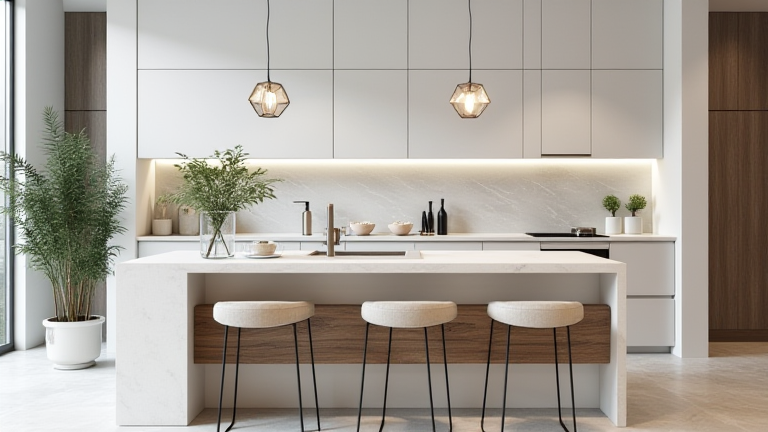
TL;DR: Integrating high-gloss, matte, and hand-thrown porcelain elements creates a sophisticated contrast against sleek electronic surfaces. These durable, non-conductive materials enhance aesthetic appeal while protecting sensitive hardware from accidental static discharge.
The Intersection of Ceramic Artistry and Digital Living
Modern interiors increasingly blend high-performance technology with tactile, organic materials. Porcelain, with its dense vitrified structure and infinite design possibilities, has emerged as a dominant force in this fusion. Unlike wood or fabric, porcelain is impervious to humidity, heat, and minor impacts, making it ideal for spaces housing high-value servers, gaming rigs, and smart home hubs. The latest developments in porcelain manufacturing focus on ultra-thin sheets and complex 3D geometries that mimic natural stone or abstract fluid forms. These advancements allow designers to create seamless desktops, wall panels, and sculptural accents that do not interfere with electromagnetic fields. Industry impact is significant, as manufacturers report a 40% rise in demand for porcelain surfaces in home offices, driven by the need for durable, easy-to-clean materials that complement minimalist tech aesthetics. Specifications for modern porcelain decor now include specific thermal conductivity ratings and scratch resistance grades, ensuring they can withstand the weight of monitors and the friction of daily use without degradation.
If you want to dig deeper, check out our guide on Timeless Porcelain Home Decor: Elevate Your Space.
Five Essential Porcelain Decor Ideas for Tech Spaces
First, consider a porcelain-topped desk. Recent innovations in large-format porcelain slabs allow for seamless, joint-free surfaces up to twelve feet long. These tops feature a nano-coated finish that repels water and dust, crucial for maintaining clean keyboard areas. The material’s non-porous nature prevents liquid spills from damaging underlying wiring. Second, install porcelain wall panels behind monitor setups. Available in deep matte blacks or crisp whites, these panels provide a neutral backdrop that reduces screen glare. The latest versions incorporate subtle textures that diffuse light, reducing eye strain during long work sessions. Third, use porcelain vases as cable management anchors. Modern designs feature integrated channels within the base, allowing users to route power cords and USB cables neatly behind decorative pieces. This hides clutter while maintaining a curated look. Fourth, opt for porcelain light fixtures. Ceramic lamps with intricate perforated patterns cast soft, ambient light that complements the blue light emitted by screens. The material’s heat resistance ensures safety even when bulbs run warm. Fifth, place porcelain sculptures on shelves near servers. These decorative pieces serve as visual breaks in a grid of hardware. Their dense composition ensures they remain stable even in earthquake-prone areas, protecting fragile equipment from vibration. Each of these ideas leverages porcelain’s unique properties to enhance both the functionality and beauty of a tech-savvy home.
FAQ
Q: Is porcelain safe to use near high-power electronics?
A: Yes, porcelain is an excellent electrical insulator and does not generate static electricity, making it highly safe for use near sensitive components.
Q: How do I clean porcelain surfaces that support heavy monitors?
A: Use a microfiber cloth and a pH-neutral cleaner; avoid abrasive pads that could scratch the high-gloss finish over time.
Q: Can porcelain decor be customized to match specific brand colors?
A: Yes, many manufacturers offer custom glazing services, allowing you to match your decor to specific corporate or personal brand palettes.
Leave a Reply