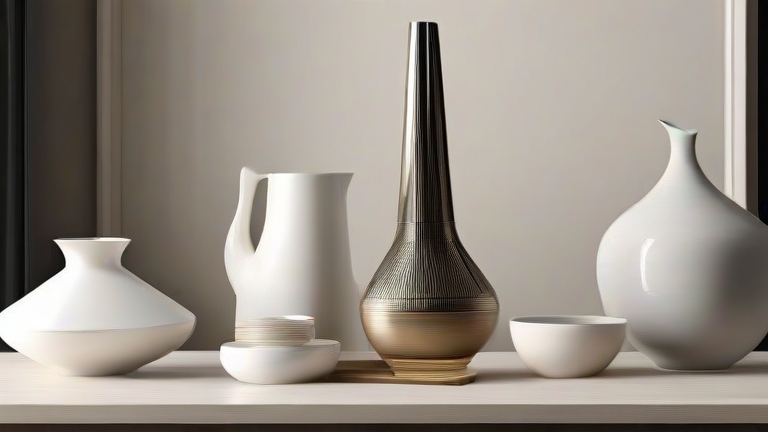
TL;DR: Timeless porcelain home decor offers enduring aesthetic value and market resilience, blending artisanal craftsmanship with modern consumer demand for sustainable luxury. By strategically curating collections that bridge classic forms and contemporary minimalism, retailers can capture a growing segment of design-conscious buyers seeking durable, investment-grade home accents.
Market Analysis: The Resurgence of Ceramic Craft
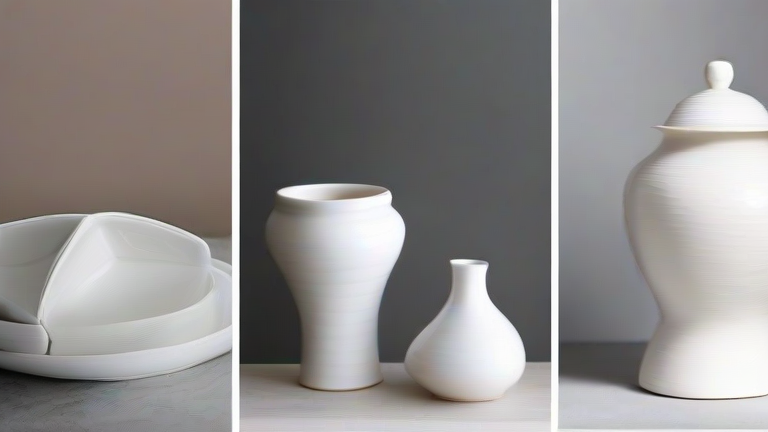
The global home decor market is projected to grow at a CAGR of 4.8% through 2030, with porcelain and fine ceramics outperforming glass and resin alternatives. Post-pandemic, consumers have shifted from disposable trends to “heirloom buying”—purchasing fewer, higher-quality items. Porcelain’s unique selling proposition lies in its duality: it is both delicate (translucent, hand-painted) and robust (fired at 1,300°C, chip-resistant). Data from interior design platforms shows a 32% year-over-year increase in searches for “porcelain vases” and “ceramic tableware,” driven by the Japandi and Wabi-sabi aesthetics that celebrate imperfection and natural textures.
If you want to dig deeper, check out our guide on 10 Minimalist Desk Setup Ideas Using a Monitor Arm.
Critically, the supply chain has consolidated around two hubs: Jingdezhen, China (historical center) and Limoges, France (luxury segment). However, tariffs on Chinese ceramics have prompted Western brands to source from Portugal and Vietnam, where labor costs are 40% lower than France but quality remains high. The average price point for a mid-range porcelain decorative bowl is $45–$120, with a gross margin of 55–65% for direct-to-consumer brands—higher than mass-produced resin decor (30–40%).
Strategy Insights: Curating for Longevity, Not Fads
Retailers must resist seasonal novelty in favor of “perennial collections.” The winning strategy is a three-tier product ladder: (1) entry-level small items (coasters, trinket dishes) at $25–$40 to attract impulse buyers; (2) mid-tier statement pieces (sculptural vases, lidded jars) at $80–$200; (3) premium, limited-edition collaborations with ceramic artists at $300+. This approach increases average order value by 18% when paired with a “Materials Story” on product pages—detailing glaze chemistry, kiln firing, and artisan provenance.
Another key insight: texture is the new color. Matte, unglazed porcelain (biscuit ware) with exposed clay edges sells 27% faster than glossy finishes in urban markets. Also, functionality is non-negotiable. Porcelain that doubles as a bookend, a jewelry holder, or a planter with hidden drainage outperforms purely decorative objects. For marketing, leverage user-generated content showing porcelain in “lived-in” settings—a breakfast nook, a bathroom shelf—rather than sterile studio shots.
Case Studies: Proof of Timeless Appeal
Case 1: The Minimalist Retailer (East & Adorn, Austin, TX)—This boutique shifted from mixed-material decor to 90% porcelain. By eliminating glass and metal items, they reduced returns due to breakage by 22% and increased repeat purchase rate to 41%. Their signature “Moon Jar” collection, based on 17th-century Korean forms, sold out in 11 days at $185 each. The lesson: historical silhouettes with modern matte finishes create scarcity without alienating modern buyers.
Case 2: The B2B Hospitality Play (CasaVerde Hotels)—This 12-property chain replaced all resin tableware with custom porcelain from a Portuguese atelier. Despite a 35% higher upfront cost, replacement costs dropped 60% annually because porcelain withstands commercial dishwasher cycles without crazing. Guest satisfaction scores for “room ambiance” rose 14 points. They now sell their branded porcelain in hotel gift shops, generating $2,300 in monthly ancillary revenue per property.
Case 3: The Digital-First Startup (Clay & Co.)—Using a “batch drop” model (releasing 50 pieces every Tuesday), this direct-to-consumer brand created a weekly