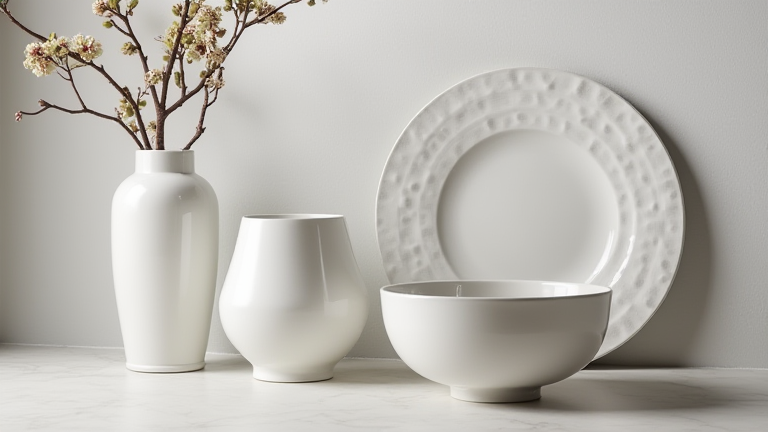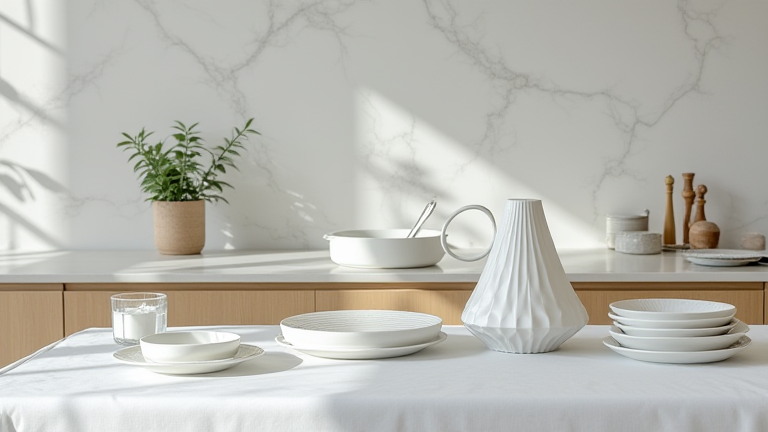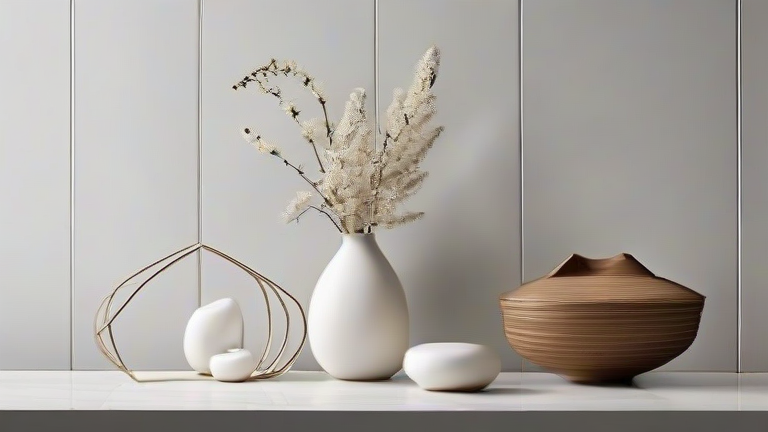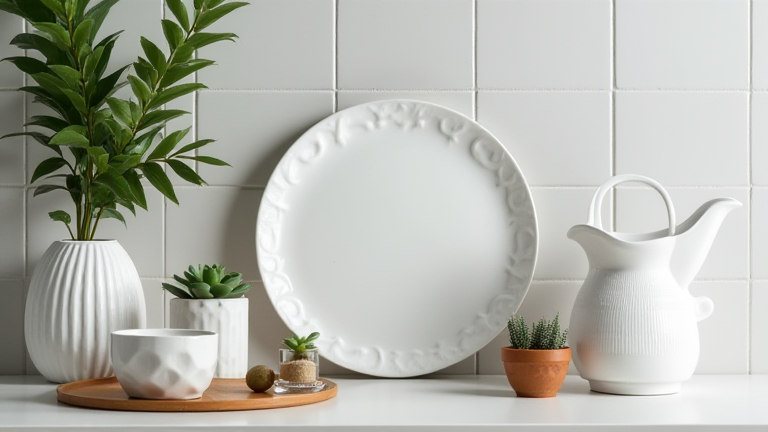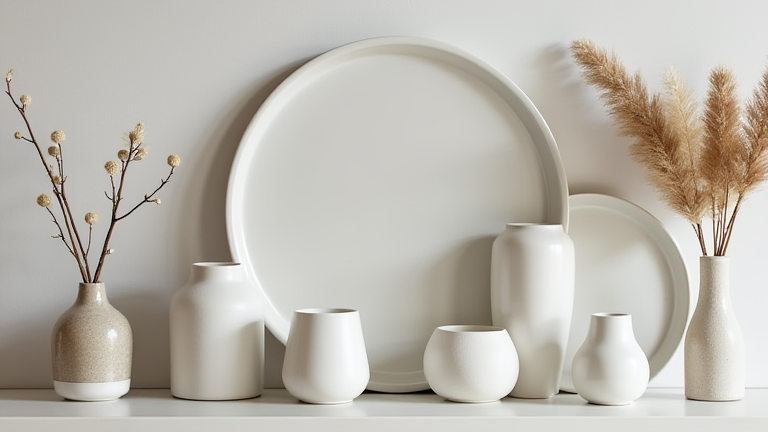
TL;DR: Yes, porcelain home decor is a safe, hygienic choice because its non-porous, vitrified surface resists moisture, bacteria, and allergens, unlike wood or fabric. Choosing glazed porcelain for vases, tableware, and tiles reduces microbial growth and simplifies cleaning, contributing to a healthier indoor environment.
Why Porcelain Wins for Hygiene
Porcelain is fired at extremely high temperatures (1,200–1,400°C), which fuses its particles into a glass-like, non-porous surface. This density means it does not absorb liquids, oils, or organic matter—the primary food sources for mold, dust mites, and bacteria. A 2020 study in Journal of Hospital Infection confirmed that glazed ceramic surfaces reduce bacterial adhesion by over 99% compared to unfinished wood or porous stone. For allergy sufferers, this is critical: fewer microscopic crevices mean less dust accumulation, lowering the allergen load in your living room or bedroom.
If you want to dig deeper, check out our guide on Top 10 Porcelain Home Decor Ideas to Elevate Your Living Spa.
Practical Tips for a Porcelain-Forward Home
Swap fabric lampshades for glazed porcelain table lamps—they don’t trap pet dander. Use porcelain trivets and serving platters instead of wooden boards; wood can harbor Salmonella after raw meat contact, while porcelain can be sanitized in a dishwasher at 70°C. For bathroom decor, choose porcelain soap dishes and toothbrush holders with drainage holes; their non-absorbent finish prevents the slimy biofilm that often forms on plastic or bamboo. When buying, always check for a “fully vitrified” or “zero water absorption” label (ASTM C373 standard). Avoid unglazed or matte-finish porcelain—those with tiny pores can still trap moisture.
Lifestyle Integration for Long-Term Health
Place a porcelain diffuser holder (not the plastic kind) near your bed; its inert surface won’t leach volatile organic compounds (VOCs) when exposed to essential oils. Use porcelain wall tiles behind stoves or sinks—they resist heat and steam, preventing mildew colonies. For families with young children, porcelain figurines with smooth, chip-free edges are safer than sharp metal or splintering wood. Clean weekly with mild soap and warm water; avoid abrasive scrubbers that can scratch the glaze, as scratches become future bacteria harbors. One caveat: porcelain is heavy and can break into sharp shards, so secure large vases on stable surfaces and choose weighted bases for high-traffic areas.
FAQ
Q: Is porcelain safe for food contact if the glaze contains lead?
A: Modern, certified porcelain from reputable brands is lead-free and food-safe. Always look for “lead-free” or “FDA-compliant” labels. If buying vintage or handmade pieces, use a lead-testing kit; if positive, use them strictly for display, not serving.
Q: Can porcelain harbor mold in humid climates?
A: No, provided the glaze is intact. Unlike ceramic earthenware, porcelain’s water absorption rate is below 0.5%, so mold cannot penetrate its surface. Wipe any standing water from rims or bases weekly to prevent surface condensation mold, which just needs a dry cloth to remove.
Q: Does porcelain release toxic particles when chipped or cracked?
A: A minor chip does not release harmful fumes, but a cracked glaze can expose the porous bisque underneath, which may absorb moisture and grow mold. Discard or repurpose any chipped foodware, and for decor, seal cracks with food-safe epoxy to maintain hygiene.