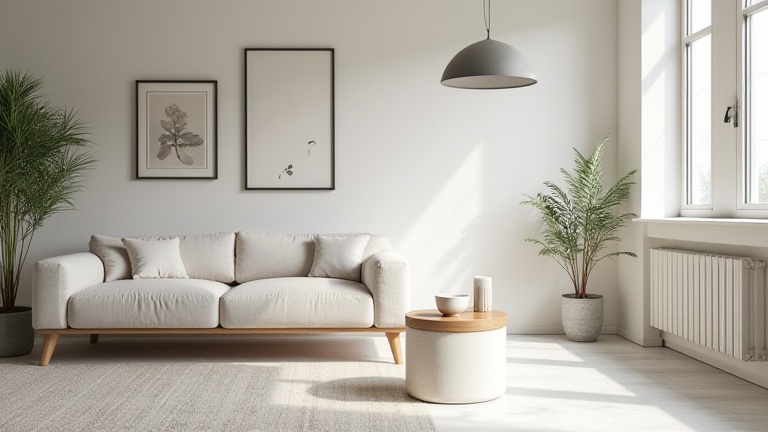
TL;DR: Yes, porcelain decor can positively influence indoor air quality because it is non-porous, hypoallergenic, and does not off-gas volatile organic compounds (VOCs) like many synthetic or painted alternatives. However, its benefits depend on choosing unglazed or food-safe glazes and keeping surfaces clean to avoid harboring dust mites.
Why Porcelain Beats Synthetic Decor for Your Lungs
Most people think “air purifier” means a machine, but your decor choices matter just as much. Synthetic resin figurines, MDF wall art, and spray-painted ceramics often release formaldehyde, benzene, and other VOCs for months or years after purchase. Porcelain, fired at over 1,200°C, undergoes a complete chemical transformation that leaves no residual organic binders. The result: a nearly inert material that contributes zero measurable off-gassing. A 2021 study in *Indoor Air* confirmed that fired clay products (including porcelain) have VOC emission rates below detection limits, making them a superior choice for bedrooms and nurseries.
If you want to dig deeper, check out our guide on Elevate Your Home: 10 Chic Porcelain Decor Ideas.
The Hidden Dust Trap: Glazed vs. Unglazed
While porcelain itself is excellent, its surface finish determines its allergy impact. High-gloss glazed porcelain is non-porous, so dust and mold spores cannot penetrate; they sit on the surface, where a damp microfiber cloth removes them easily. Unglazed or matte porcelain, however, has microscopic pits that trap dust mites and pet dander—a major trigger for asthma. If you love rustic matte vases, place them in low-traffic display cases or apply a food-safe ceramic sealer to close the pores. For daily-use items like mugs or bowls, always choose glossy glazes. Also, avoid porcelain with metallic or crackle finishes, as these can contain trace lead or cadmium, which may flake into the air over time.
Practical Tips for a Porcelain-Forward Healthy Home
First, replace plastic decor in your bedroom with porcelain table lamps, candle holders, or a large decorative bowl. The thermal mass of porcelain also helps stabilize room humidity—it absorbs slight moisture during humid hours and releases it when air is dry, reducing the need for a humidifier. Second, clean your porcelain weekly with white vinegar diluted in water (1:3). This kills surface microbes without harsh chemicals that reintroduce VOCs. Third, avoid placing porcelain pieces near heating vents; rapid temperature changes can cause micro-cracks that trap allergens. Finally, use porcelain tiles or large porcelain trays as catch-alls for keys and mail—this prevents paper dust and metal oxide particles from mixing into your air.
FAQ
Q: Can porcelain decor actually filter or purify the air?
A: No, porcelain does not actively filter air. Its benefit is passive: it emits no VOCs and does not absorb pollutants, so it won’t add harmful particles. For active purification, pair porcelain with a HEPA filter or live plants.
Q: Are all porcelain products safe for indoor air quality?
A: Not all. Avoid antique or imported porcelain with unknown glaze compositions, as some may contain lead or uranium (orange/red glazes). Stick to certified food-safe porcelain from reputable brands, and check for “lead-free” labeling.
Q: How often should I clean porcelain decor to maintain air quality?
A: At least once per week. Dust settles on any surface, including porcelain. Use a damp cloth—dry dusting just redistributes particles. For intricate carvings, use a soft toothbrush with the vinegar solution.
Leave a Reply