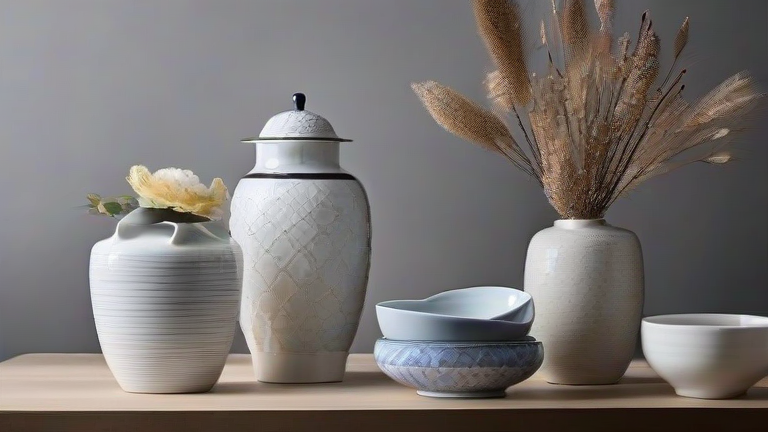
How to Style Porcelain Decor: Beginner’s Guide
TL;DR: Curate a balanced mix of matte and glossy porcelain pieces to create visual interest. Group items in odd numbers and vary heights to achieve a sophisticated, curated look.
Step 1: Establish a Cohesive Color Palette
Begin by selecting a primary color scheme for your space. Porcelain is versatile, so choose pieces that complement your existing furniture. If your room features neutral tones like beige or gray, opt for porcelain vases in soft pastels or classic white. For bolder interiors, consider vibrant cobalt blue or striking black porcelain accents. Limit your palette to two or three colors to avoid visual clutter. This foundational step ensures that your decor feels intentional rather than random, creating a harmonious backdrop for the specific pieces you will arrange later in the process.
If you want to dig deeper, check out our guide on Healthy Porcelain Decor: Safe, Non-Toxic Home Accents.
Step 2: Mix Textures and Finishes
Porcelain comes in various finishes, including high-gloss, matte, and crackle glaze. Mixing these textures adds depth and sophistication. Place a glossy white vase next to a matte ceramic bowl to contrast light reflection. This interplay of light and shadow makes the collection feel dynamic. Avoid using only one type of finish, as this can make the display look flat and monotonous. Experiment with different surface qualities to engage the eye and add tactile richness to your visual composition, ensuring the overall aesthetic remains balanced and inviting.
Step 3: Arrange Using the Rule of Odds
When displaying porcelain on shelves or tables, group items in odd numbers such as three or five. This technique is a timeless design principle that creates natural eye movement. Arrange pieces at varying heights; place a tall vase behind a smaller bowl to create layers. Ensure there is adequate negative space between groups to allow each piece to breathe. Do not overcrowd the surface, as this diminishes the beauty of individual items. Step back frequently to assess the balance, adjusting positions until the arrangement feels stable and aesthetically pleasing from all viewing angles.
Step 4: Add Functional Elements
Incorporate functional porcelain items like teapots, candle holders, or fruit bowls to make the display livable. A beautifully designed teapot serves as both a practical kitchen tool and a stunning decorative piece. This approach integrates art into daily life, making your home feel more personal. Rotate seasonal items to keep the display fresh. For example, swap out summer fruit bowls for autumn pumpkins in the fall. This ongoing curation keeps your home decor dynamic and reflective of the changing seasons, ensuring your collection remains relevant and engaging throughout the year.
Step 5: Maintain and Protect
Porcelain is durable but can chip if mishandled. Dust your pieces regularly with a soft, dry cloth to maintain their shine. Avoid using abrasive cleaners that can scratch the glaze. Store fragile items in padded boxes if you plan to rotate them frequently. By caring for your collection properly, you ensure that your porcelain decor remains a beautiful focal point in your home for years to come, preserving both its aesthetic value and potential monetary worth.
FAQ
Q: Can I mix modern and vintage porcelain?
A: Yes, mixing eras creates visual interest. Balance a modern minimalist vase with an antique decorative plate.
Q: How do I choose the right size?
A: Scale pieces to the surface area. Use larger items on coffee tables and smaller accents on side tables.
Q: Is it safe to use porcelain outdoors?
A: Generally no. Most porcelain is not frost-proof. Keep it indoors or in covered areas to prevent cracking.
Leave a Reply