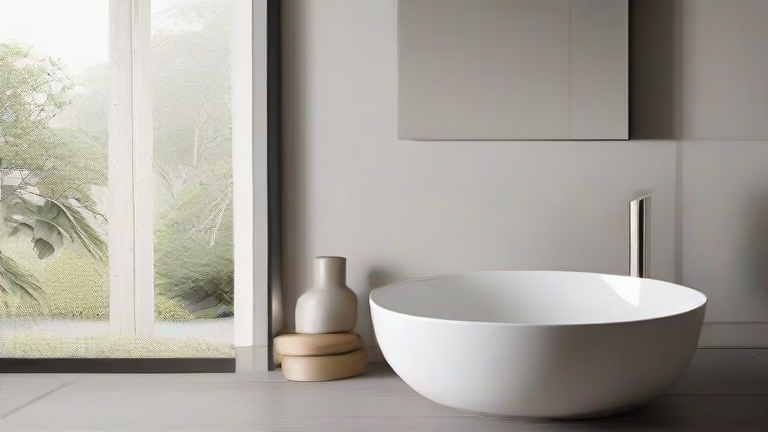
Healthy Home: How Porcelain Decor Boosts Wellness & Air Quality
TL;DR: Porcelain decor enhances wellness by introducing non-toxic, porous-free surfaces that resist mold and bacteria growth, thereby reducing indoor allergens. Its aesthetic calmness lowers cortisol levels, promoting mental relaxation and better sleep quality within the living space.
In the quest for a healthier living environment, many homeowners focus on air filtration systems and organic foods, often overlooking the subtle impact of decorative materials. Porcelain, a high-fired ceramic material, offers a unique combination of aesthetic appeal and functional health benefits that align with modern wellness trends. Unlike porous stone or certain plastics, porcelain is vitrified, meaning it is essentially glass-like and impermeable. This structural integrity is the cornerstone of its health benefits, as it prevents the absorption of moisture, oils, and organic matter. Consequently, porcelain surfaces do not harbor the mold, mildew, or bacterial colonies that thrive in damp, porous materials. By incorporating porcelain vases, tiles, or sculptural elements into your home, you create a micro-environment that is inherently cleaner and safer for respiratory health.
If you want to dig deeper, check out our guide on Porcelain Home Decor: DIY Tutorial & Styling Tips.
The Science of Non-Porous Surfaces
Research in indoor environmental quality highlights that surface materials significantly influence the concentration of volatile organic compounds (VOCs) and particulate matter. Porcelain glazes are chemically stable and do not off-gas harmful chemicals when exposed to normal indoor temperatures. This is a critical distinction from low-quality plastics or synthetic resins, which can release formaldehyde or styrene over time. Furthermore, because porcelain does not absorb odors, it helps maintain a neutral olfactory environment. A home free from lingering smells of food or cleaning agents reduces sensory overload, which is linked to lower stress levels and improved cognitive function. The smooth, glazed surface of high-quality porcelain is also easier to clean without the need for harsh chemical degreasers. A simple wipe with water and mild soap suffices, reducing the chemical load in your indoor air and minimizing contact with irritants that can trigger asthma or skin sensitivities.
Psychological Wellness and Aesthetic Calm
Wellness is not solely physical; it is deeply psychological. The visual properties of porcelain play a significant role in mental health. Porcelain is renowned for its ability to transmit light, creating a soft, diffused glow that contrasts with the hard reflections of glass or metal. This quality contributes to a sense of serenity and spaciousness, which are key components of biophilic design principles adapted for indoor settings. Studies in environmental psychology suggest that neutral, clean lines and soft textures can lower heart rate and blood pressure. Incorporating white or pastel porcelain decor can brighten a room without the glare of high-lumen lighting, fostering a calming atmosphere conducive to mindfulness and relaxation. Additionally, the durability of porcelain means that your decor remains intact and beautiful over time, reducing the stress associated with frequent replacements or repairs. This longevity supports a sustainable lifestyle, which is increasingly recognized as a pillar of holistic wellness due to its positive impact on both environmental and personal well-being.
Practical Lifestyle Tips for Integration
To maximize the wellness benefits of porcelain, consider strategic placement in high-traffic or high-humidity areas. Using porcelain tiles in bathrooms and kitchens ensures that these moisture-prone zones remain hygienic and visually clean. In living areas, choose porcelain pieces with organic shapes to soften the architectural lines of your home, promoting a more natural feel. Regular maintenance is simple but essential; use a microfiber cloth to dust porcelain surfaces, preventing the accumulation of dust mites. Avoid placing porcelain in direct, prolonged sunlight if you wish to prevent any potential fading of colored glazes, although the material itself remains stable. Finally, curate your collection with intention. Select pieces that resonate with personal joy and calm, as the emotional connection to your decor amplifies its psychological benefits. By viewing porcelain not just as a decorative object, but as a functional health tool, you can transform your home into a sanctuary that actively supports your physical and mental well-being.
FAQ
Q: Is porcelain safe for people with allergies?
A: Yes, porcelain is hypoallergenic because its
Leave a Reply