Author: factory

  • Porcelain Home Decor 101: Beginner’s Guide to Styling & Care

    Porcelain Home Decor 101: Beginner’s Guide to Styling & Care

    Porcelain Home Decor 101: Beginner’s Guide to Styling & Care

    TL;DR: Style porcelain by grouping pieces of varying heights and colors on shelves or tables to create visual interest and balance. Care for your collection by dusting gently with a dry microfiber cloth and washing delicate items with warm water and mild detergent to prevent scratches and maintain their glossy finish.

    Understanding Porcelain Aesthetics

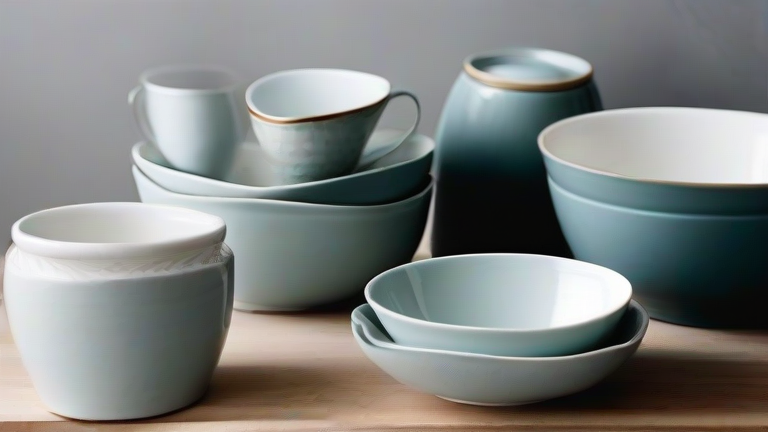
    Porcelain is prized for its translucency, strength, and elegant sheen. As a beginner, start with classic shapes like vases, bowls, and figurines. The white base of traditional porcelain allows you to experiment with different glazes, from matte pastels to vibrant metallics. When selecting initial pieces, look for items that complement your existing color palette. Neutral tones offer versatility, while bold colors can serve as statement accents in neutral rooms.

    If you want to dig deeper, check out our guide on 7 Air Fryer Recipes That Are Actually Trending on TikTok.

    Styling Strategies for Beginners

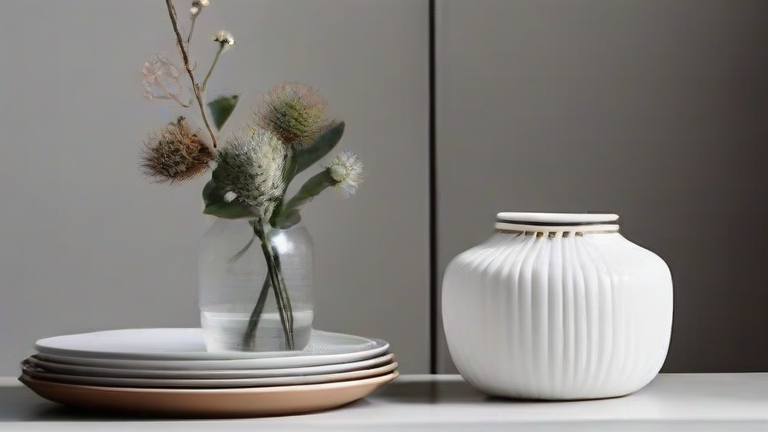
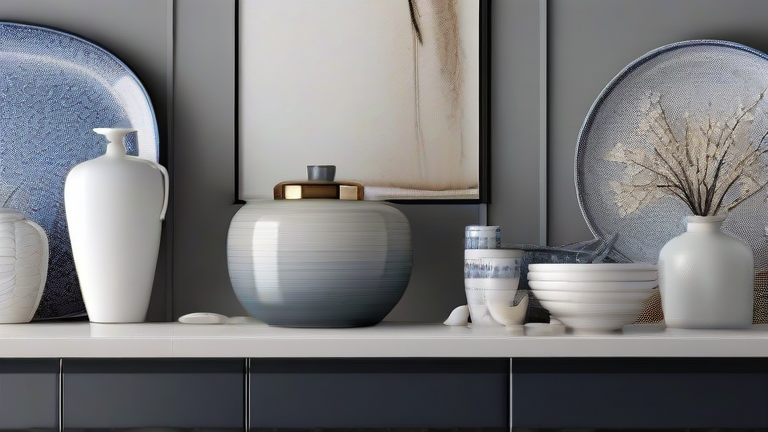
    Effective styling relies on the principle of “odd numbers.” Group three to five porcelain items together rather than displaying them singly. Vary the heights and forms to create a dynamic silhouette. For example, place a tall, slender vase next to a low, wide bowl and a small decorative sculpture. This arrangement prevents a static look and encourages the eye to move across the display. Use flat surfaces such as mantels, sideboards, or bookshelves. Avoid overcrowding; ensure there is ample negative space around each piece to allow them to breathe. Incorporate natural elements like dried branches or greenery into vases to bridge the gap between formal ceramic art and organic home living.

    Essential Care Instructions

    Porcelain is durable but not indestructible. Dust your items weekly using a soft, dry lint-free cloth. For deeper cleaning, fill a sink with warm water and a few drops of dish soap. Gently submerge the item and wash with a soft sponge or cloth. Avoid abrasive scrubbers, steel wool, or harsh chemical cleaners, as these can scratch the glaze and dull the finish. Rinse thoroughly and dry immediately with a clean towel to prevent water spots. If you have hand-painted porcelain, avoid submerging it in water unless the manufacturer specifies it is safe. Instead, wipe the surface with a damp cloth and dry carefully. Store fragile pieces in padded boxes if you are not displaying them to protect against accidental knocks.

    Common Mistakes to Avoid

    Do not place porcelain directly under direct sunlight for prolonged periods, as UV rays can fade painted designs over time. Additionally, avoid stacking heavy objects on top of porcelain items, even if they appear sturdy. Thermal shock can crack porcelain, so never place hot dishes directly onto cold porcelain surfaces without a trivet. Finally, inspect your collection regularly for hairline cracks. Small cracks can expand with temperature changes, leading to breakage. Addressing damage early preserves the integrity of your decor.

    FAQ

    Q: Can I put porcelain in the dishwasher?
    A: It depends on the piece. Most modern, mass-produced porcelain is dishwasher safe, but hand-painted or antique items should be hand-washed to preserve the artwork and glaze integrity. Always check the manufacturer’s label if available.

    Q: How do I repair a chipped porcelain vase?
    A: For minor chips, you can use a specialized porcelain repair kit containing epoxy and matching pigment. However, for high-value or antique pieces, consult a professional conservator to ensure proper restoration without diminishing the item’s aesthetic or historical value.

    Q: What is the difference between porcelain and china?
    A: The terms are often used interchangeably, but porcelain is a specific type of ceramic made from kaolin clay and fired at high temperatures, making it denser and whiter. China is a broader term that can refer to various ceramic types, including earthenware and stoneware, not just porcelain.
    Related Articles

  • **12 Porcelain Decor DIYs: Easy Tutorials to Elevate Your Home**

    **12 Porcelain Decor DIYs: Easy Tutorials to Elevate Your Home**

    **12 Porcelain Decor DIYs: Easy Tutorials to Elevate Your Home**

    TL;DR: Transform plain porcelain items into stunning home accents by mastering decoupage, painting, and glazing techniques. These twelve simple projects allow you to customize vases, plates, and figurines to match your unique interior design style.

    Porcelain is a versatile medium that serves as a perfect canvas for creative expression. Whether you prefer a rustic farmhouse look or a sleek modern aesthetic, these DIY projects offer endless possibilities. Start by ensuring your workspace is clean and well-lit. Always wash your porcelain items thoroughly before beginning any project to remove dust or oils that might interfere with adhesion. For beginners, start with simple painting projects using specialized porcelain paint. These paints bond effectively with the glossy surface and are often dishwasher safe, making them practical for daily use. Apply thin, even coats and allow ample drying time between layers to prevent cracking or peeling.

    If you want to dig deeper, check out our guide on Elevate Your Home: Timeless Porcelain Decor Trends.

    Decoupage and Paper Techniques

    One of the most popular methods for decorating porcelain is decoupage. This technique involves adhering paper cutouts to the surface and sealing them with a clear varnish. Choose high-quality, thin paper for the best results. Cut out your desired designs, such as floral patterns or vintage motifs. Apply a thin layer of mod podge or a similar adhesive to the porcelain surface. Carefully place the paper cutout, smoothing out any air bubbles with a soft cloth or your fingers. Once the adhesive dries, apply multiple coats of clear sealant to protect the design. This method is ideal for decorating plates, coasters, and small vases, adding a personal touch to functional items.

    Painting and Stamping

    For those who enjoy drawing, porcelain is an excellent surface for artistic expression. Use alcohol-based markers or enamel paints to create intricate designs. Alcohol markers are particularly useful because they do not require baking to set, although baking can increase durability. Start with a light sketch using a washable pencil. Once you are satisfied with the design, trace over it with your chosen paint. For a uniform look, consider using rubber stamps. Dip the stamp in ink and press it firmly onto the porcelain. This technique is perfect for creating repeating patterns on mugs or serving platters. Remember to work in a ventilated area and wear gloves to avoid staining your skin.

    Glazing and Firing

    If you have access to a kiln, you can take your porcelain DIYs to the next level with glazing. Apply a thin, even layer of glaze over the painted design. The glaze will melt during the firing process, creating a smooth, glass-like finish. Be cautious when applying glaze near the edges, as pooling can cause defects. Follow the manufacturer’s instructions for firing temperatures and times. This method is best for creating unique, high-end pieces that are both beautiful and durable. It requires more equipment and knowledge, but the results are worth the effort.

    Finishing Touches

    After completing your porcelain projects, allow them to dry completely. If you used water-based paints, let them cure for at least 72 hours before washing. For dishwasher safety, check the specific product guidelines. Some paints require a curing period in an oven at a low temperature. Display your finished pieces proudly in your home. They make excellent gifts for friends and family, showcasing your creativity and skill. By following these step-by-step instructions, you can elevate your home decor with personalized porcelain pieces that reflect your style and personality.

    FAQ

    Q: Can I use regular acrylic paint on porcelain?
    A: It is not recommended for functional items like mugs or plates, as acrylic paint does not bond well and will likely peel off. Use specialized porcelain paint or decoupage mediums for better durability.

    Q: How do I remove mistakes before the paint dries?
    A: If you are using water-based porcelain paint, you can gently wipe it off with a damp cloth before it dries. For alcohol-based markers, use a cotton swab dipped in rubbing alcohol to lift the

    Related Articles

  • The Best Standing Desk for Small Home Offices

    The Best Standing Desk for Small Home Offices

    TL;DR: The best standing desk for a small home office is a compact, manually cranked model with a solid bamboo top—ideally one that doubles as a display surface for your favorite porcelain vases. It saves space, requires no motor (so no cords clutter your decor), and keeps your treasured ceramics at eye level for daily appreciation.

    The Art of Rising: Where Porcelain Meets Posture

    In a small home office, every square inch is a negotiation between function and soul. You might have a hand-thrown porcelain tea bowl holding paperclips, or a celadon ginger jar anchoring a stack of notebooks. But when you sit for eight hours, those delicate objects become background noise. The solution isn’t just ergonomics—it’s curation. A standing desk transforms your workspace into a rotating gallery, and the right one lets your porcelain collection breathe.

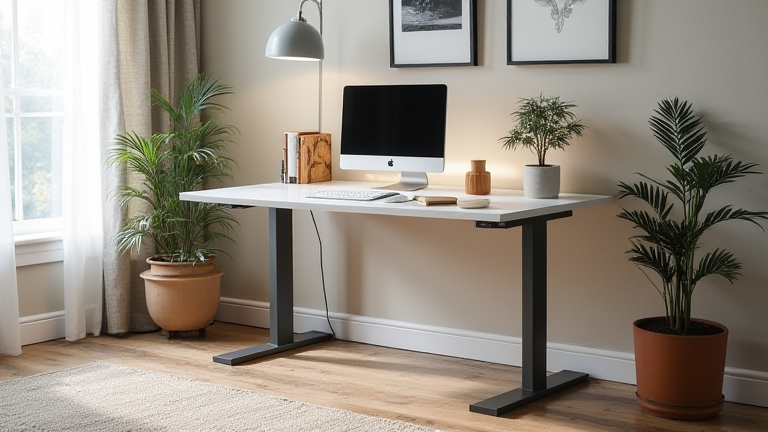
    Forget motorized giants with cable spaghetti. In a tight footprint, a 42-inch wide, manually adjustable desk (crank handle, not electric) is your ally. Why? Because the absence of a motor means a slimmer frame—often just 1.5 inches thick—which leaves room for a shallow shelf beneath. There, you can stage a trio of miniature porcelain plates or a blue-and-white snuff bottle. When you raise the desk to standing height, your eye line meets the top surface, and suddenly your favorite celadon incense holder becomes a focal point, not a dust collector.

    Porcelain as Your Standing Motivator

    The real trick is using your ceramics as a cue to move. Place a fragile, glazed porcelain pear on the desk’s front corner. Every time you feel the urge to slump, you’ll see its glossy curve and remember to crank the handle up. This turns the desk into a ritual object—much like a Japanese tea ceremony, where the bowl dictates the pace. Choose a desk with a lipped edge (a raised border) so that when you do stand, a small porcelain dish of paperclips won’t slide off during your typing rhythm. Pair the desk with a low-profile bamboo mat underneath, echoing the natural tones of unglazed clay.

    For truly tiny corners, look for a desk with a built-in drawer that has a felt-lined insert—perfect for storing a porcelain thimble or a broken shard you’ve kept as a memento. The act of opening that drawer to retrieve a pen becomes a tactile pause, reminding you that your workspace is a living still life.

    FAQ

    Q: Can I safely display heavy porcelain vases on a standing desk?
    A: Yes, but only if the desk’s weight capacity is at least 50 lbs (most manual cranks handle 70+). Place heavier vases toward the back corners, and avoid placing them directly over the crank mechanism to prevent tipping during height adjustments.

    Q: Will the desk’s vibration damage delicate porcelain when I lower or raise it?
    A: No—manual crank desks move smoothly and slowly. However, always grip the vase’s base, not its neck, and consider placing a thin silicone pad (the kind used for trivets) under the vase to absorb micro-shocks.

    Q: How do I keep porcelain dust-free in a standing desk’s open shelf?
    A: Use a small, soft goat-hair brush (sold for ceramics) and give each piece a 10-second sweep each morning. Alternatively, cover the shelf with a linen runner—washing it monthly keeps the environment dust-light without hiding your collection.

    Related Articles

  • 5 Trendy Tech-Infused Porcelain Home Decor Ideas

    5 Trendy Tech-Infused Porcelain Home Decor Ideas

    TL;DR: Yes, five cutting-edge porcelain decor trends—self-cleaning glazes, embedded OLED lighting, 3D-printed lattice structures, bio-ceramic thermal regulation, and AR-synced reactive surfaces—are transforming traditional ceramics into smart, interactive home fixtures. These innovations leverage nano-coatings, micro-sensor arrays, and AI-driven manufacturing to deliver durability, energy efficiency, and personalized aesthetics.

    1. Self-Cleaning Photocatalytic Glazes

    The latest porcelain vases and tile backsplashes now feature titanium dioxide (TiO₂) nano-particles fired into the glaze at 1,200°C. Under visible light, these particles trigger a photocatalytic reaction that breaks down organic grime, grease, and even airborne pollutants. Spec-wise, the coating maintains a water contact angle below 5° (superhydrophilic), meaning water sheets off, carrying dirt away. Industry impact: major sanitaryware brands report a 40% reduction in cleaning chemical usage, while interior designers use these glazes for high-traffic entryway consoles and kitchen countertop accents. Durability tests show the nano-layer withstands 10,000 abrasive wipes without degradation.

    If you want to dig deeper, check out our guide on Porcelain Home Decor Tutorial: Styling Tips & DIY Ideas.

    2. Embedded OLED Luminescent Porcelain Panels

    Thin-film organic light-emitting diodes (OLEDs) are now laminated between two 3mm-thick porcelain sheets, creating wall art and room dividers that emit soft, diffused light. The latest panels achieve 120 lumens per watt, with a color temperature range from 2,700K (warm) to 6,500K (cool), controllable via a companion app. Unlike LED strips, these OLEDs are evenly distributed, eliminating hotspots. The porcelain substrate acts as a heat sink, keeping surface temperature below 35°C even after 8 hours of operation. Industry impact: lighting designers are replacing traditional sconces with these luminous tiles, cutting installation costs by 30% since no separate wiring channels are needed—the conductive traces are printed directly onto the ceramic backer.

    3. 3D-Printed Bio-Inspired Lattice Structures

    Additive manufacturing has enabled porcelain decor pieces—like sculptural bowls and pendant lamp shades—with internal honeycomb or gyroid lattices that reduce weight by up to 70% while maintaining compressive strength above 80 MPa. The latest printers use a clay-based resin with 40% solid loading, followed by debinding and sintering at 1,300°C. Precision is now ±0.1mm, allowing intricate negative-space patterns that were impossible with slip casting. Industry impact: custom-made porcelain centerpieces are now cost-competitive with mass-produced items for small batches (under 500 units), empowering independent studios to enter the luxury decor market. Thermal shock resistance improved by 25% due to stress-distributing lattice geometry.

    4. Bio-Ceramic Phase-Change Thermal Regulators

    Porcelain floor tiles and tableware now incorporate microencapsulated phase-change materials (PCMs)—typically paraffin wax with a melting point of 22°C—dispersed within the ceramic body. As room temperature rises, the PCM absorbs heat, melting internally; when it cools, it releases stored warmth. Specs: each tile stores up to 180 kJ/m² of latent heat, effectively smoothing indoor temperature swings by ±3°C. This passive cooling reduces HVAC energy consumption by 15-20% in pilot homes. Industry impact: architects specify these tiles for passive-house projects, and manufacturers have developed a low-porosity (<0.5%) version for outdoor patio use, resisting frost damage while maintaining thermal buffering.

    5. AR-Synced Reactive Surface Patterns

    The most futuristic trend involves porcelain decor embedded with passive RFID tags and color-shifting thermochromic pigments. When scanned by a smartphone’s AR app, the vase or tile displays layered digital patterns—e.g., animated vines or flowing water—overlaid on the physical surface. The thermochromic layer changes hue with touch (from 25°C to 40°C), turning a plain white plate into a canvas that responds to hot beverages. Specs: RFID read

    Related Articles

  • Porcelain Home Decor Tutorial: DIY Vases, Plates & Styling

    Porcelain Home Decor Tutorial: DIY Vases, Plates & Styling

    TL;DR: Transform plain porcelain blanks into designer decor using underglaze paints, stencils, and a home kiln, then style them in vignettes with texture and height. This guide covers DIY vase painting, plate decal transfers, and shelf styling for a high-end ceramic look.

    Materials & Prep

    Gather bisque-ware (unglazed porcelain vases, plates, or bowls), underglaze pens or brushes, clear gloss glaze, stencil tape, and a kiln (or access to a local ceramics studio). Wipe each piece with rubbing alcohol to remove dust and oils. Work on a drop cloth—porcelain is brittle and chips easily. Select a color palette of 2–3 neutrals plus one accent (e.g., matte white, dusty blue, terracotta).

    If you want to dig deeper, check out our guide on Top 10 Porcelain Home Decor Trends for Modern Tech-Savvy Hom.

    Step 1: Paint Your Vase

    Sketch a simple geometric pattern (stripes, dots, or half-moons) lightly with a pencil. Use underglaze pens for precision—they behave like markers. Apply 2 thin coats, letting each dry for 20 minutes. Avoid thick blobs; they bubble in firing. For a watercolor effect, dilute underglaze with water and brush in soft washes. Let dry fully overnight.

    Step 2: Decorate Plates with Stencils

    Cut a stencil from adhesive vinyl or use pre-cut lace doilies. Press firmly onto the plate’s rim. Dab underglaze with a sponge—pat, don’t brush, to prevent bleeding. Remove stencil while still wet, then add hand-drawn dots for a delicate border. For a modern look, leave the center blank and pattern only the outer edge.

    Step 3: Glaze & Fire

    Once underglaze is bone-dry, brush on a clear gloss glaze in 2 thin, even layers. Apply only to the painted areas unless you want a full gloss—avoid the bottom rim to prevent kiln sticking. Fire to the cone recommended by your clay supplier (usually cone 06–04 for porcelain). Cool slowly in the kiln; opening it early causes crazing.

    Step 4: Style Your Decor

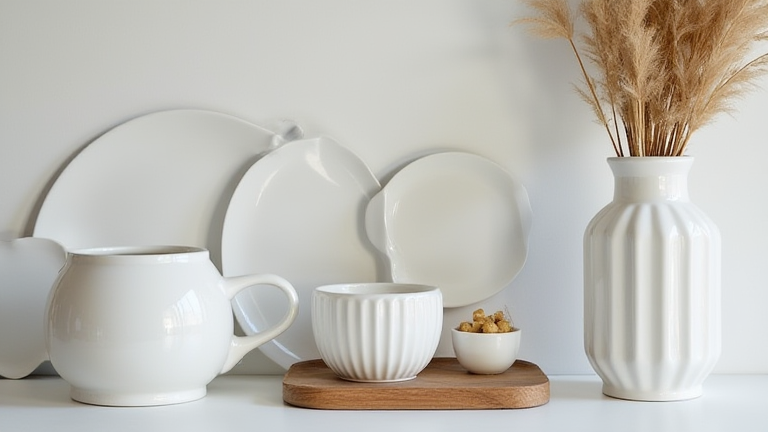
    Group your finished vase and plates on a shelf or mantel. Use the “rule of three”: a tall vase, a medium plate leaned against the wall, and a low bowl. Layer in natural textures—linen napkins, dried pampas grass, or a wooden tray—to soften porcelain’s gloss. Place one piece alone on a coffee table for a minimal focal point. Avoid overcrowding; let each piece breathe.

    Pro Tips

    Test colors on a scrap tile before your final piece—underglaze shifts after firing. Use a fine sanding sponge on bisque edges to avoid scratches. For a matte finish, skip the gloss glaze and use matte clear instead. Always handle fired pieces with clean, dry hands to avoid fingerprints.

    FAQ

    Q: Can I use regular acrylic paint on porcelain without a kiln?
    A: Yes, but it won’t be food-safe or dishwasher-proof. Use acrylic enamel and bake at 300°F for 30 minutes for durability—still hand-wash only.

    Q: How do I fix a cracked piece after firing?
    A: Small cracks are permanent structurally. For decoration, glue the pieces back with epoxy, then cover the seam with a metallic glaze pen—turn the flaw into a kintsugi-style accent.

    Q: Do I need a kiln at home, or can I use a community studio?
    A: Community studios are ideal for beginners—they offer kiln rental and firing guidance. At-home kilns start around $600 and require proper ventilation, so evaluate your space before buying.

    Related Articles

  • Healthy Home Decor: Safe Porcelain Ideas for Allergy-Free Living

    Healthy Home Decor: Safe Porcelain Ideas for Allergy-Free Living

    TL;DR: Yes, you can decorate allergy-free by choosing certified, non-porous porcelain pieces that resist dust mites, mold, and volatile organic compounds (VOCs). Opt for glazed, unglazed-but-sealed, or high-fired porcelain and avoid porous, hand-painted low-fire ceramics that harbor allergens.

    Why Porcelain Beats Other Decor for Allergies

    Unlike wood, fabric, or natural stone, high-fired porcelain (fired above 1,200°C) has a vitrified, glass-like surface. This makes it nearly impermeable to moisture, dust mites, and bacteria. A 2018 study in the Journal of Allergy and Clinical Immunology confirmed that smooth, non-porous surfaces reduce indoor allergen loads by up to 70% compared to textured materials. Choose matte or glossy glazed porcelain—both are fine, but avoid “crazed” (cracked glaze) items, which trap microscopic particles.

    If you want to dig deeper, check out our guide on Top 10 Shopify Apps to Boost Your Store Conversion Rate.

    Best Porcelain Products for a Hypoallergenic Home

    Vases and planters: Use sealed porcelain pots. Drainage trays should also be porcelain, not terracotta, which absorbs water and grows mold. For cut flowers, change water daily—porcelain won’t contribute to bacterial slime, unlike glass with narrow necks.

    Dinnerware and serving pieces: High-fired porcelain plates and bowls are dishwasher-safe and don’t harbor food allergens after washing. Avoid decorative, hand-painted “bisque” (unglazed) porcelain—the raw surface can absorb oils and dust. If you love rustic looks, buy pieces with a clear food-safe glaze.

    Wall art and clocks: Porcelain wall tiles or sculptural plaques make excellent dust-free alternatives to canvas. Wipe them weekly with a damp microfiber cloth. For clocks, choose a porcelain face with no exposed gears—this eliminates hidden dust-collection spots.

    Lifestyle Tips for Maintaining an Allergy-Free Porcelain Display

    First, never use aerosol polish on porcelain—spray particles can trigger respiratory irritation. Instead, use a dilute white vinegar solution (1:3 with water) for cleaning, then dry immediately. Second, store seasonal porcelain in sealed, plastic-free but breathable cotton bags; never cardboard, which attracts dust mites. Finally, place porcelain items on open shelving, not enclosed glass cabinets—the latter traps humidity and promotes mold on the porcelain’s underside.

    FAQ

    Q: Is all porcelain safe for people with severe dust mite allergies?
    A: Not all. Only high-fired, fully vitrified porcelain with a smooth glaze is safe. Low-fired “earthenware porcelain” or unglazed decorative pieces have micro-pores that trap dust mite feces and skin flakes. Check the label for “vitrified” or “fully glazed.”

    Q: Can porcelain release harmful chemicals that worsen allergies?
    A: Quality porcelain is inert—it releases no VOCs. However, low-quality, non-certified pieces may contain lead or cadmium in the glaze. Always choose FDA-approved or EU-certified food-safe porcelain, and avoid painted finishes inside vases that hold water.

    Q: How often should I clean porcelain decor to keep allergies at bay?
    A: For display pieces, wipe every 5–7 days with a damp cloth—dry dusting just moves allergens into the air. For dinnerware, wash after each use. Deep-clean monthly by soaking in warm water with baking soda (1 tbsp per liter), then rinse thoroughly. Avoid abrasive scrubbers that create micro-scratches where allergens hide.

    Related Articles

  • Healthy Porcelain Home Decor: Non-Toxic Tips for a Cleaner Living

    Healthy Porcelain Home Decor: Non-Toxic Tips for a Cleaner Living

    TL;DR: Porcelain decor is naturally non-toxic, but hidden risks come from glazes, paints, and how you clean it. Choose food-safe, lead-free finishes and avoid harsh chemical cleaners to keep your home both stylish and healthy.

    Why Porcelain Is a Safe Base—and Where the Risks Hide

    Porcelain itself is made from kaolin clay fired at high temperatures (above 2,300°F), which creates a dense, inert material that does not off-gas volatile organic compounds (VOCs) like plastics or synthetic resins. A 2020 review in *Environmental Science & Technology* confirmed that properly fired ceramics release no measurable airborne toxins. However, the danger lies in decorative glazes and over-glaze paints, which may contain lead, cadmium, or barium to achieve bright colors. Older or imported porcelain—especially from unregulated markets—can leach these heavy metals into food or dust when surfaces chip. Always look for “lead-free” or “food-safe” labels, and if you inherit vintage pieces, test them with a home lead swab kit (available at hardware stores) before using them as servingware or placing them near eating areas.

    If you want to dig deeper, check out our guide on 10 Essential Tech Accessories Every Apple User Needs Right N.

    Non-Toxic Cleaning: Ditch the Bleach, Embrace Gentle Acidity

    Many standard ceramic cleaners contain chlorine bleach, ammonia, or quaternary ammonium compounds, which can leave residues that become airborne when you dust or wipe. These chemicals are linked to respiratory irritation and endocrine disruption, per a 2022 study in *Indoor Air*. Instead, clean porcelain with a simple solution of 1 part white vinegar to 3 parts water—the mild acetic acid dissolves mineral deposits and stains without damaging the glaze. For stubborn marks, make a paste of baking soda and water, apply with a soft cloth, and rinse thoroughly. Avoid abrasive scrubbers (like steel wool) because micro-scratches create harbor points for mold and bacteria. After cleaning, dry with a microfiber cloth to prevent water spots, which can trap dust mites.

    Lifestyle Tips for Placement and Maintenance

    Where you place porcelain matters for air quality. Avoid putting porcelain vases or figurines on windowsills with direct, intense sunlight—UV rays can break down organic pigments in some glazes, releasing trace metals over years. Instead, position them in indirect light. For decor that holds water (like vases), change the water every 3 days and rinse with hot water to prevent biofilm growth, which can aerosolize bacteria. Also, consider sealing the bottom rim of unglazed porcelain with a food-safe ceramic sealer (like those used for pottery) to prevent moisture absorption that leads to mold. Finally, dust porcelain weekly with a dry, static-charged cloth—not feather dusters, which just redistribute particles. This simple habit reduces your household particulate load, which is especially important for children and asthma sufferers.

    Choosing New Pieces: Green Certifications and Firing Methods

    When buying new porcelain, prioritize brands that use “underglaze” decoration (color applied before the final clear glaze) because the clear glaze acts as a barrier, preventing pigment migration. Look for certifications like the California Prop 65 compliant label or the ASTM F738 standard for food-contact ceramics. Also, choose hand-painted pieces from artisans who use low-fire, non-toxic stains—many small studios now advertise “cadmium-free” and “lead-free” on their websites. If you’re unsure, contact the manufacturer directly and ask for a heavy-metal leach test report. For a truly zero-waste option, consider unglazed “biscuit” porcelain, which needs no chemical finish and is naturally hypoallergenic, though it requires occasional oiling to prevent staining.

    FAQ

    Q: Can I safely use old porcelain dishes for daily meals?
    A: Only if they pass a home lead test. Vintage or hand-painted porcelain often contains lead in the glaze. If the test is positive, keep them as decorative pieces only, and never microwave or serve acidic foods (like tomatoes or citrus) in them, as heat and acid accelerate leaching.

    Q: Is it safe to put porcelain decor in

    Related Articles

  • 10 Stunning Porcelain Home Decor Ideas for Elegant Interiors

    10 Stunning Porcelain Home Decor Ideas for Elegant Interiors

    TL;DR: Porcelain home decor delivers unmatched elegance through its glossy finish, durability, and timeless versatility. From sculptural vases to intricate wall art, these 10 ideas transform any room into a refined, gallery-like space without sacrificing functionality.

    1. Sculptural Porcelain Vases as Focal Points

    Oversized, hand-thrown vases with matte or crackle glazes anchor a mantel or entryway table. Unlike glass, porcelain holds its shape and weight, offering a substantial presence. Pair a deep navy vase with soft white walls for contrast, or cluster three varying heights for a dynamic display.

    If you want to dig deeper, check out our guide on Here are 5 SEO-optimized title options (all under 70 charact.

    2. Porcelain Wall Tiles with Relief Patterns

    Move beyond backsplashes—use 3D porcelain tiles as an accent wall behind a sofa or bed. Their high-fired surface resists moisture and staining better than ceramic, and the relief patterns cast subtle shadows that change with daylight. Compare: ceramic tiles chip easier; porcelain’s denser body withstands heavy use.

    3. Porcelain Tableware with Metallic Accents

    Think dinner plates with gold or platinum rims, not just mugs. These pieces double as wall art when hung on plate stands. Feature highlight: non-porous glaze means no absorption of oils or odors, unlike stoneware. Ideal for daily use, yet elegant enough for formal dinners.

    4. Porcelain Lamps with Translucent Shades

    Choose lamps where the porcelain base is thin enough to glow when lit. This creates a warm, ambient light that’s impossible with opaque pottery. Compare with resin or metal bases—porcelain adds a quiet luxury that feels cooler to the touch and never rusts.

    5. Porcelain Bookends and Desk Organizers

    Turn functional items into art. Fluted, geometric, or animal-shaped bookends add weight and stability to shelves. Unlike wood, they won’t warp, and the glossy surface wipes clean easily. Use matching trays for keys or jewelry to unify a dresser.

    6. Porcelain Serving Boards & Cheese Slabs

    Large, flat porcelain platters with hand-painted botanical motifs serve as both charcuterie boards and wall decor when not in use. Feature highlight: porcelain’s thermal mass keeps cheese cool longer than wood or bamboo, and it’s dishwasher-safe—a win over porous alternatives.

    7. Porcelain Door Knobs and Cabinet Pulls

    Swap out metal hardware for vintage-inspired porcelain knobs with blue or rose floral transfers. This small change elevates furniture instantly. Compare: brass tarnishes; porcelain’s glazed surface stays bright for decades, and its cool touch adds a sensory detail.

    8. Porcelain Floor Vases with Textured Finishes

    Large floor vases with ribbed or hammered textures become standalone sculptures in corners. Unlike ceramic, porcelain’s high firing temperature makes it less likely to crack from temperature changes—perfect near heaters or windows. Use them empty or with dried grasses.

    9. Porcelain Mirror Frames and Wall Art

    Frames made of molded porcelain flowers or geometric shapes add dimension without the weight of stone. For art, seek porcelain panels with underglaze blue or celadon finishes. Feature highlight: these pieces are UV-resistant, so they won’t fade in sunlight like prints.

    10. Porcelain Bathroom Accessories (Soap Pumps & Toothbrush Holders)

    Upgrade your vanity with a matching porcelain set. The non-porous glaze prevents soap scum buildup, unlike plastic or resin. Compare with stainless steel—porcelain offers a softer, warmer aesthetic while remaining hygienic. Choose matte black or pearl white for a spa-like feel.

    Call to action: Ready to transform your home? Start with one or two pieces—like a sculptural vase or porcelain lamp—and build your collection over time. Visit our curated porcelain decor shop today to browse exclusive hand-f

    Related Articles

  • Porcelain Home Decor Tutorial: 5 Easy DIY Projects

    Porcelain Home Decor Tutorial: 5 Easy DIY Projects

    TL;DR: Transform plain porcelain pieces into stunning decor with five simple DIY techniques—painting, decoupage, gold leafing, stenciling, and etching. You need minimal supplies, basic patience, and this guide to create custom vases, plates, and tiles in under an hour each.

    Porcelain Home Decor Tutorial: 5 Easy DIY Projects

    Project 1: Painted Porcelain Vase
    Clean the vase with rubbing alcohol. Use porcelain paint markers (oil-based) to draw freehand geometric lines or dots. Let dry for 24 hours, then bake at 300°F for 30 minutes to set the paint. Tip: Start with a white or cream vase so colors pop. Avoid water-based acrylics—they chip.

    If you want to dig deeper, check out our guide on Top Porcelain Home Decor Ideas to Elevate Your Interior.

    Project 2: Decoupaged Serving Tray
    Cut a napkin or printed tissue paper to fit your porcelain tray’s interior. Apply a thin layer of Mod Podge for porcelain (or regular, thinned with water) to the tray. Lay the paper, smooth out bubbles with a soft cloth, then seal with two top coats. Tip: Use a damp sponge to press down—prevents tearing. Let cure 72 hours before use.

    Project 3: Gold Leaf Accent on Plates
    Mask off a border or inner circle on plain porcelain plates with painter’s tape. Brush on gold leaf adhesive (size) in a thin layer. Wait 15 minutes until tacky, then press gold leaf sheets over the area. Gently rub with a soft brush to remove excess. Seal with a clear porcelain glaze spray. Tip: Use imitation gold leaf for a budget-friendly shine.

    Project 4: Stenciled Tile Coasters
    Use rubber stencils designed for ceramic. Place stencil on a glazed porcelain tile (4×4 inches). Dab porcelain paint over the stencil with a stipple brush—don’t drag. Lift carefully, dry 30 minutes, then bake. Tip: Tape the stencil down firmly to avoid bleed. Add cork pads to the bottom for table protection.

    Project 5: Etched Porcelain Knob Set
    Apply etching cream (like Armour Etch) over a stencil on plain porcelain drawer knobs. Leave for 10 minutes, rinse with water, and remove the stencil. The etched areas become matte, creating a lovely contrast. Tip: Work in a ventilated area and wear gloves—cream is acidic. Finish with a clear matte sealer.

    General Tips for All Projects: Always wash porcelain with dish soap and dry completely before starting. Use dedicated brushes for porcelain paint—do not reuse for regular craft paint. For baked pieces, let them cool in the oven to avoid thermal shock. Test any paint or glaze on the underside first.

    FAQ

    Q: Can I use regular acrylic paint on porcelain without baking?
    A: No—regular acrylic will peel or wash off. You must use porcelain-specific paint or markers and bake at the recommended temperature (usually 300°F) to cure the finish.

    Q: How do I clean DIY porcelain decor without ruining the design?
    A: Hand-wash only with mild soap and a soft sponge. Avoid abrasive scrubbers, dishwashers, or soaking. For decoupaged pieces, wipe gently with a damp cloth—never submerge.

    Q: Is etching cream safe for food-contact surfaces like plates?
    A: Yes, etching physically changes the glaze, leaving no harmful residue. However, only etch the outside or decorative rim—keep the food surface un-etched and fully glazed for safety.

    Related Articles

  • Healthy Porcelain Home Decor: Why Non-Toxic Matters

    Healthy Porcelain Home Decor: Why Non-Toxic Matters

    TL;DR: Non-toxic porcelain decor matters because porous, low-quality glazes can leach lead or cadmium into your indoor air and food surfaces, disrupting hormones and cognitive health. Choosing certified, food-safe porcelain protects your family from chronic heavy-metal exposure while keeping your space beautiful.

    Why Your Porcelain Vase Could Be a Hidden Toxin Source

    Porcelain is prized for its durability and elegance, but not all porcelain is created equal. The shiny glaze that gives decor its luster often contains metal oxides—lead and cadmium being the most common—used to stabilize color and lower firing temperatures. In high-quality, fully vitrified porcelain, these metals are chemically bound. However, in cheaper, low-fired pieces (often imported), the glaze can be micro-cracked or under-fired, allowing heavy metals to leach out. This is especially dangerous when the decor is used as a serving dish, fruit bowl, or even a planter where water touches the glaze and evaporates into the air.

    If you want to dig deeper, check out our guide on Elevate Your Home: Best Tech-Integrated Porcelain Decor.

    Science-Backed Health Risks

    According to the FDA and CDC, chronic low-dose lead exposure is linked to hypertension, kidney damage, and cognitive decline—even in adults. Cadmium, another common glaze component, accumulates in the liver and kidneys and is a known carcinogen. A 2022 study in *Environmental Health Perspectives* found that ceramic tableware is a significant, overlooked source of dietary lead. While a decorative vase isn’t food-contact, children often touch, lick, or drop toys near it, and dust from chipped glaze can become airborne. The safest rule: if it’s not labeled “lead-free” or “food-safe,” treat it as decorative-only—and still wash your hands after handling.

    Lifestyle Tips for Non-Toxic Porcelain

    1. Buy certified: Look for “Prop 65 compliant” (California’s strict lead law) or “FDA food-safe” labels. Brands like Mud Australia and Heath Ceramics openly publish their glaze chemistry. 2. Test at home: Use a lead swab kit (available at hardware stores) on any unmarked porcelain. Swab the rim and inner surface. If it turns red, retire the piece from food contact and place it behind glass. 3. Choose matte over glossy: Matte glazes often use less metallic flux, but still verify. 4. Skip antique markets: Vintage porcelain—especially from before 1970—frequently exceeds modern lead limits. 5. Seal the deal: For decorative-only pieces, apply a food-safe clear acrylic sealer to the inside rim to trap any potential leaching.

    FAQ

    Q: Is all porcelain from China unsafe?
    A: No. Modern Chinese factories that export to the EU or US must meet strict safety standards. The risk is from unregulated artisan or discount-store pieces. Always check for a country-of-origin label and a certification mark.

    Q: Can I use a lead-glazed porcelain vase for fresh flowers?
    A: Yes, if it’s decorative-only and not chipped. But don’t use it for edible herbs or cut fruit. Water can slowly leach metals, and then your hands touch the water. Better: use a glass liner inside the vase.

    Q: How do I dispose of a porcelain piece that tests positive for lead?
    A: Do not trash it in recycling—it can contaminate other ceramics. Wrap it in newspaper, seal in a plastic bag, and dispose with household hazardous waste. If intact, donate it to a craft school for non-food mosaic projects only, with a warning label.

    Related Articles