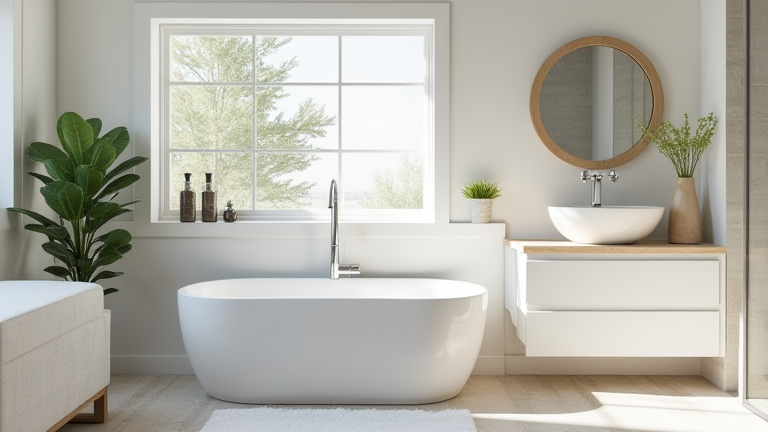
TL;DR: Yes, you can decorate allergy-free by choosing certified, non-porous porcelain pieces that resist dust mites, mold, and volatile organic compounds (VOCs). Opt for glazed, unglazed-but-sealed, or high-fired porcelain and avoid porous, hand-painted low-fire ceramics that harbor allergens.
Why Porcelain Beats Other Decor for Allergies
Unlike wood, fabric, or natural stone, high-fired porcelain (fired above 1,200°C) has a vitrified, glass-like surface. This makes it nearly impermeable to moisture, dust mites, and bacteria. A 2018 study in the Journal of Allergy and Clinical Immunology confirmed that smooth, non-porous surfaces reduce indoor allergen loads by up to 70% compared to textured materials. Choose matte or glossy glazed porcelain—both are fine, but avoid “crazed” (cracked glaze) items, which trap microscopic particles.
If you want to dig deeper, check out our guide on Top 10 Shopify Apps to Boost Your Store Conversion Rate.
Best Porcelain Products for a Hypoallergenic Home
Vases and planters: Use sealed porcelain pots. Drainage trays should also be porcelain, not terracotta, which absorbs water and grows mold. For cut flowers, change water daily—porcelain won’t contribute to bacterial slime, unlike glass with narrow necks.
Dinnerware and serving pieces: High-fired porcelain plates and bowls are dishwasher-safe and don’t harbor food allergens after washing. Avoid decorative, hand-painted “bisque” (unglazed) porcelain—the raw surface can absorb oils and dust. If you love rustic looks, buy pieces with a clear food-safe glaze.
Wall art and clocks: Porcelain wall tiles or sculptural plaques make excellent dust-free alternatives to canvas. Wipe them weekly with a damp microfiber cloth. For clocks, choose a porcelain face with no exposed gears—this eliminates hidden dust-collection spots.
Lifestyle Tips for Maintaining an Allergy-Free Porcelain Display
First, never use aerosol polish on porcelain—spray particles can trigger respiratory irritation. Instead, use a dilute white vinegar solution (1:3 with water) for cleaning, then dry immediately. Second, store seasonal porcelain in sealed, plastic-free but breathable cotton bags; never cardboard, which attracts dust mites. Finally, place porcelain items on open shelving, not enclosed glass cabinets—the latter traps humidity and promotes mold on the porcelain’s underside.
FAQ
Q: Is all porcelain safe for people with severe dust mite allergies?
A: Not all. Only high-fired, fully vitrified porcelain with a smooth glaze is safe. Low-fired “earthenware porcelain” or unglazed decorative pieces have micro-pores that trap dust mite feces and skin flakes. Check the label for “vitrified” or “fully glazed.”
Q: Can porcelain release harmful chemicals that worsen allergies?
A: Quality porcelain is inert—it releases no VOCs. However, low-quality, non-certified pieces may contain lead or cadmium in the glaze. Always choose FDA-approved or EU-certified food-safe porcelain, and avoid painted finishes inside vases that hold water.
Q: How often should I clean porcelain decor to keep allergies at bay?
A: For display pieces, wipe every 5–7 days with a damp cloth—dry dusting just moves allergens into the air. For dinnerware, wash after each use. Deep-clean monthly by soaking in warm water with baking soda (1 tbsp per liter), then rinse thoroughly. Avoid abrasive scrubbers that create micro-scratches where allergens hide.
Leave a Reply