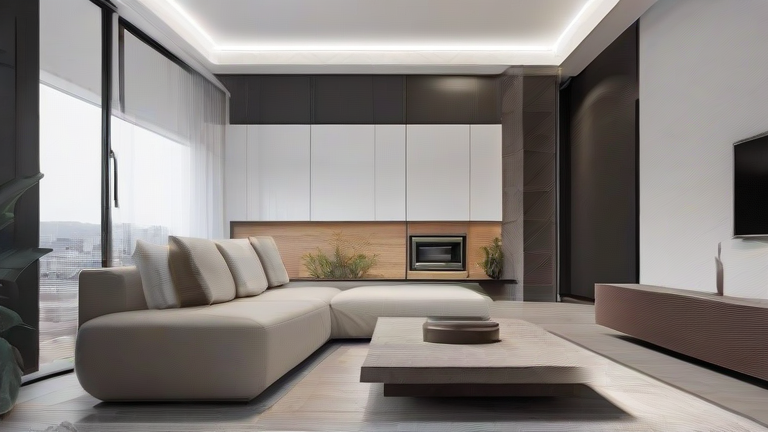
Elevate Your Home: Best Tech-Integrated Porcelain Decor
TL;DR: The best tech-integrated porcelain decor combines traditional craftsmanship with embedded IoT sensors and smart lighting to create functional, data-responsive home accents. These innovations transform static objects into interactive elements that enhance ambiance, monitor environmental health, and personalize living spaces through seamless digital connectivity.
The Convergence of Craft and Code
The intersection of ancient ceramic artistry and modern digital technology is redefining the landscape of interior design. Porcelain, long prized for its durability, translucency, and aesthetic purity, is now serving as the ideal substrate for embedded electronics. This fusion is not merely about adding a Bluetooth speaker to a vase; it represents a fundamental shift toward “smart ceramics” where the material itself facilitates interaction. Manufacturers are leveraging the insulating properties of porcelain to protect sensitive microchips while using its thermal stability to ensure consistent performance over years of use. The result is a new category of home decor that feels organic yet operates with digital precision, offering homeowners a tangible connection to their smart home ecosystems without sacrificing elegance or texture.
If you want to dig deeper, check out our guide on Elevate Your Home: 10 Porcelain Decor Ideas for Timeless Sty.
Latest Developments in Smart Ceramics
Recent breakthroughs in flexible printed circuit boards (FPCBs) have allowed designers to embed sensors directly within the glaze of porcelain items. Leading industry players are now producing wall sconces that do not just emit light but also monitor air quality, adjusting brightness and color temperature based on real-time humidity and particulate matter levels. Another significant development is the introduction of haptic feedback vases. These decorative pieces use subtle vibration motors to alert users to incoming calls or schedule reminders, transforming a passive object into an active communication hub. Furthermore, solar-powered porcelain planters are gaining traction, featuring integrated soil moisture sensors that communicate directly with smart irrigation systems. The latest prototypes also include NFC-enabled tags hidden within the base of decorative tiles, allowing users to tap a smartphone to access care instructions, artist bios, or even trigger specific scenes in a smart home lighting system.
Technical Specifications and Performance
From a technical standpoint, these products rely on low-power wide-area network (LPWAN) technologies such as Zigbee or Thread to ensure reliable communication with central hubs while minimizing battery drain. Most smart porcelain devices operate on a 2.4 GHz frequency band, ensuring compatibility with the vast majority of existing smart home ecosystems. The internal electronics are typically housed in hermetically sealed compartments to protect against moisture, a critical consideration for items placed in kitchens or bathrooms. Battery life remains a primary specification, with modern units achieving up to two years of operation on a single charge due to the efficient use of sleep modes and event-driven communication protocols. Additionally, the porcelain bodies are now being manufactured using digital kiln firing techniques that allow for precise control over glaze opacity, which can be optimized to allow light from internal LEDs to diffuse evenly, creating a soft, ambient glow that is visually indistinguishable from traditional lighting.
Industry Impact and Future Outlook
The impact of tech-integrated porcelain on the home decor industry is substantial. It challenges the traditional separation between utility and aesthetics, forcing retailers to rethink product categorization. For consumers, it offers a more intuitive way to interact with smart home technology, reducing the clutter of visible gadgets and screens. For manufacturers, it opens new revenue streams through software updates and data services, such as selling anonymized environmental data to urban planning initiatives. As 5G home networks become more prevalent, we can expect even more complex interactions, such as porcelain surfaces acting as touch-sensitive interfaces for controlling media playback or adjusting room temperature. The industry is moving toward a future where every decorative object has a digital soul, enhancing the lived experience through invisible yet omnipresent technology.
FAQ
Q: Are tech-integrated porcelain pieces safe for use in humid environments like bathrooms?
A: Yes, most high-quality units feature hermetically sealed electronic compartments and are rated for IP65 or higher, ensuring protection against water jets and high humidity levels common in bathrooms.
Q: How do I maintain the cleanliness of porcelain decor with embedded electronics?
A: You can
Leave a Reply