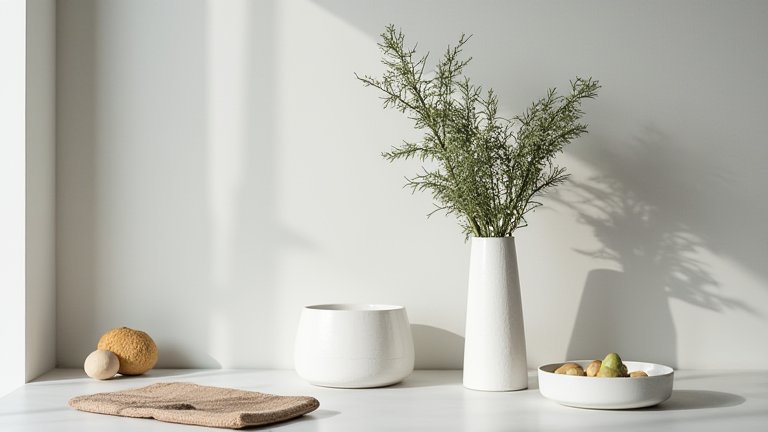
TL;DR: Porcelain home decor items significantly enhance indoor air quality by resisting mold, mildew, and dust mite accumulation due to their non-porous surfaces. Choosing lead-free, high-quality porcelain reduces chemical leaching risks, promoting a safer and more hygienic living environment for your family.
The Science of Sanitary Surfaces
When we think about home decor, aesthetics often take precedence over hygiene. However, the materials we bring into our homes directly impact our well-being. Porcelain, a ceramic material made from refined clay fired at high temperatures, offers unique health benefits that many synthetic alternatives cannot match. Unlike porous materials like untreated wood or standard plaster, porcelain has a glass-like surface that is impervious to water and bacteria. This characteristic is crucial for maintaining a cleaner living space, as it prevents the buildup of microscopic organisms that thrive in damp, porous environments. By selecting porcelain for vases, plates, or decorative accents, you are effectively creating surfaces that are easier to sanitize, thereby reducing the overall microbial load in your home.
If you want to dig deeper, check out our guide on 7 Shopify Store Layout Ideas That Boost Conversion.
Seven Key Benefits for Your Health
First, porcelain is hypoallergenic. For individuals suffering from allergies, the non-porous nature of porcelain means it does not trap pollen, dust, or pet dander. This makes it an ideal material for decorative objects in bedrooms or living areas where air sensitivity is a concern. Second, it resists mold and mildew. In humid climates or bathrooms, decorative items can become breeding grounds for fungi. Porcelain’s impermeability prevents moisture absorption, ensuring that your decor remains free from spores that can trigger respiratory issues. Third, high-quality porcelain is free from volatile organic compounds (VOCs). Unlike some plastic or painted items, authentic porcelain does not off-gas harmful chemicals, contributing to better indoor air quality. Fourth, it is durable and long-lasting. A well-made porcelain piece can last for decades without degrading, reducing the need for frequent replacements and the associated waste. Fifth, it is easy to clean. A simple wipe with mild soap and water can remove dirt and germs, encouraging a routine of regular cleaning that maintains hygiene. Sixth, it supports mental well-being. The smooth, glossy finish of porcelain often provides a calming visual effect, reducing stress and promoting a sense of order and cleanliness. Seventh, it is environmentally friendly. Being a natural mineral product, porcelain is biodegradable at the end of its life, unlike plastics which persist in the environment for centuries.
Lifestyle Tips for Incorporating Porcelain
To maximize these benefits, start by replacing porous decorative items with porcelain alternatives. Use porcelain vases for fresh flowers, as they can be easily sterilized between uses. Choose lead-free porcelain dishware for daily meals to ensure no heavy metals leach into your food. Regularly inspect your porcelain items for cracks; while the material is strong, a crack can compromise its non-porous integrity, potentially allowing moisture to seep inside. When cleaning, avoid abrasive scouring pads that can dull the glaze, as a scratched surface may become more difficult to keep hygienic. Place porcelain items in areas where they are not prone to extreme temperature shocks, which could cause micro-fractures. By integrating these simple habits, you create a living space that is not only beautiful but also scientifically supportive of your health. Your home is your sanctuary, and every object within it plays a role in your daily well-being. Embrace the purity and strength of porcelain to cultivate a cleaner, healthier, and more serene home environment.
FAQ
Q: Is all porcelain safe for home decor?
A: Yes, high-quality, lead-free porcelain is safe and non-toxic, making it ideal for household items and decorative pieces.
Q: How often should I clean porcelain decor?
A: Wipe down porcelain items weekly with a damp cloth to prevent dust buildup, and perform a deep clean monthly to ensure hygiene.
Q: Can porcelain be used in humid areas like bathrooms?
A: Absolutely, porcelain is highly resistant to moisture and mold, making it an excellent choice for decorative accents in humid environments.</p
Leave a Reply