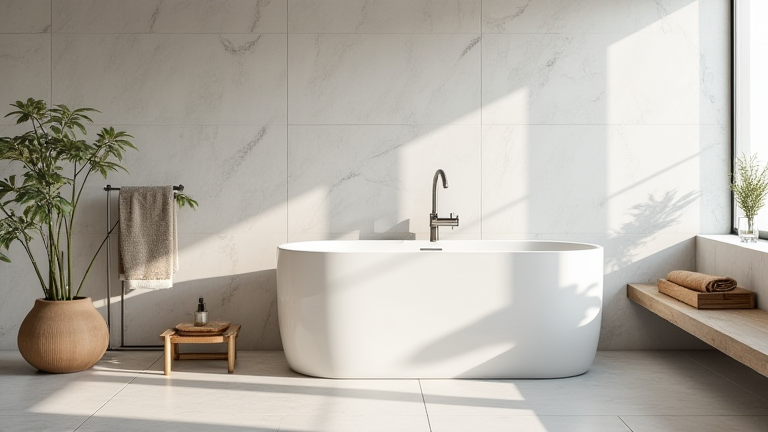
TL;DR: Porcelain decor improves indoor air quality by eliminating porous surfaces that trap dust, mold, and volatile organic compounds, ensuring a cleaner living environment. Its non-porous, hypoallergenic nature makes it a superior choice for sensitive individuals seeking to reduce respiratory irritants and allergens in their homes.
The Science of Non-Porous Surfaces
Indoor air quality is often compromised by microscopic particles trapped in household materials. Unlike fabrics, wood, or standard ceramics, high-quality porcelain is vitrified at extreme temperatures, creating a glass-like surface that is completely non-porous. This structural integrity prevents the material from absorbing moisture, which is the primary catalyst for mold and mildew growth. According to environmental health studies, reducing moisture-retentive surfaces in the home can significantly lower spore counts, thereby minimizing the risk of respiratory issues and allergies. By choosing porcelain for vases, planters, or wall art, you create a barrier that keeps pollutants suspended in the air rather than embedded in your home’s fabric.
If you want to dig deeper, check out our guide on Elevate Your Home: Timeless Porcelain Decor Trends.
Zero Off-Gassing and Chemical Safety
Many synthetic home decor items release volatile organic compounds (VOCs) into the air, contributing to indoor pollution. Porcelain, composed primarily of clay, silica, and feldspar, does not off-gas harmful chemicals when cured properly. This makes it an ideal material for bedrooms and living spaces where you spend the majority of your day. Unlike painted woods or plastic ornaments that may emit formaldehyde or benzene over time, porcelain remains chemically inert. This stability ensures that your home’s air remains free from invisible chemical triggers that can cause headaches, fatigue, and long-term health complications. It is a simple yet powerful way to practice preventive health through your home design choices.
Ease of Maintenance and Allergen Control
Dust mites thrive in environments where debris accumulates, particularly in textured or porous materials. Porcelain’s smooth, glossy finish allows for effortless cleaning. A simple wipe with a damp cloth removes dust, pet dander, and pollen without the need for harsh cleaning agents that might introduce new chemical odors into the air. This ease of maintenance helps maintain a lower overall dust load in the home, which is crucial for individuals with asthma or chronic respiratory conditions. Furthermore, because porcelain does not retain odors, it does not contribute to the “stale” air feeling that can sometimes occur in cluttered or poorly ventilated rooms. Regular cleaning of porcelain decor becomes a quick, efficient hygiene habit that supports overall household health.
Aesthetic Longevity and Mental Well-Being
Health and wellness extend beyond physical safety to include mental clarity and emotional well-being. Clutter and deteriorating decor can contribute to stress and cognitive overload. Porcelain pieces are durable and resistant to fading, chipping, or warping, ensuring they remain aesthetically pleasing for decades without requiring replacement. This longevity reduces the environmental impact of frequent disposal and manufacturing, aligning with sustainable living principles that are linked to lower anxiety levels. A home that is both beautiful and clean fosters a sense of calm and order, providing a restorative environment where you can recharge from the stresses of daily life. Investing in durable, high-quality porcelain is an investment in your long-term mental and physical health.
FAQ
Q: Is porcelain safe for homes with infants and pets?
A: Yes, porcelain is non-toxic, hypoallergenic, and easy to clean, making it a safe and hygienic choice for households with babies or animals.
Q: Can porcelain decor help reduce allergy symptoms?
A: By preventing mold growth and allowing for easy dust removal, porcelain helps reduce common airborne allergens that trigger allergic reactions.
Q: How should I clean porcelain to maintain air quality?
A: Use a soft, damp cloth with mild soap to wipe surfaces regularly; avoid abrasive cleaners that could damage the glaze and potentially harbor dirt.
Leave a Reply