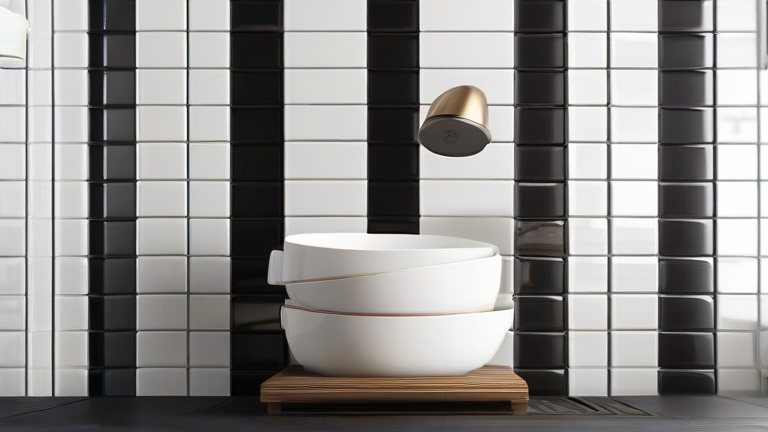
Healthy Porcelain Decor: Safe, Non-Toxic Home Accents
TL;DR: High-quality porcelain is an inert, non-toxic material that does not leach harmful chemicals into your living environment. Choosing lead-free, food-safe porcelain pieces ensures a safe aesthetic upgrade for your home without compromising health.
The Science of Inert Materials
When considering home decor, material safety is often overlooked in favor of aesthetics. However, the chemical composition of your decor matters. Porcelain, derived from kaolin clay, is fired at extremely high temperatures, typically between 1,200 and 1,400 degrees Celsius. This process vitrifies the material, making it dense and non-porous. Unlike lower-quality ceramics or glazed items that may contain lead or cadmium stabilizers, high-fired porcelain is chemically stable. Studies in environmental health emphasize that inert materials reduce the risk of volatile organic compounds (VOCs) entering the indoor air. By selecting porcelain, you are choosing a material that remains stable under normal household conditions, ensuring that your decorative items do not contribute to indoor air pollution or surface contamination.
If you want to dig deeper, check out our guide on Shopify Inventory Management: 5 Tools to Stop Overstocking.
Identifying Safe Porcelain
Not all ceramic-like materials are created equal. To ensure your porcelain decor is truly non-toxic, look for specific certifications. In the United States, look for items labeled “food-safe” or compliant with FDA 21 CFR 175.300. These standards strictly limit the leaching of heavy metals. Internationally, ISO 17888-1 is a reliable benchmark for lead and cadmium levels. Avoid items with cracked glazes, as cracks can expose underlying materials or harbor bacteria. Furthermore, be cautious with “vintage” or unbranded porcelain, as older glazes may contain higher levels of lead. Modern, reputable manufacturers prioritize transparent supply chains and rigorous testing. If a piece is intended for decorative use only, ensure it is explicitly marked as such, as decorative items may not meet the same safety standards as tableware, though high-quality porcelain is generally safe for both.
Care and Maintenance for Longevity
Proper care extends the life of your porcelain and maintains its safety profile. Because porcelain is non-porous, it does not absorb liquids or odors, making it easy to clean. Use mild dish soap and warm water to remove dust and dirt. Avoid abrasive scrubbers that can scratch the glaze, as microscopic scratches can trap dirt and potentially compromise the integrity of the surface over time. If you have porcelain vases or planters, ensure they are properly glazed on the inside if they will hold water or soil, preventing any potential moisture absorption or root intrusion. Regular inspection for chips or cracks is essential. A damaged piece should be discarded rather than repaired, as the structural integrity and safety of the item are compromised. Proper maintenance ensures that your home remains a sanctuary free from unnecessary chemical exposure.
Psychological Benefits of Curated Spaces
Health is not just physical; it is also mental. A clutter-free, aesthetically pleasing environment contributes to lower stress levels and improved cognitive function. Porcelain, with its smooth texture and often elegant forms, adds a sense of order and sophistication to a room. Unlike synthetic plastics, which may off-gas, natural materials like porcelain align with biophilic design principles, promoting a connection to natural elements. This psychological comfort is a vital component of holistic wellness. By investing in safe, beautiful objects, you create a space that supports both physical health and mental clarity. The visual appeal of porcelain can serve as a daily reminder of intention and care, fostering a positive mindset throughout your day.
FAQ
Q: Is all porcelain lead-free?
A: No, not all porcelain is automatically lead-free. While high-fired modern porcelain is generally safe, lower-quality or older items may contain lead in the glaze. Always check for safety certifications.
Q: Can I use decorative porcelain vases for fresh flowers?
A: Yes, but only if the interior is fully glazed and the item is certified as water-safe
Leave a Reply