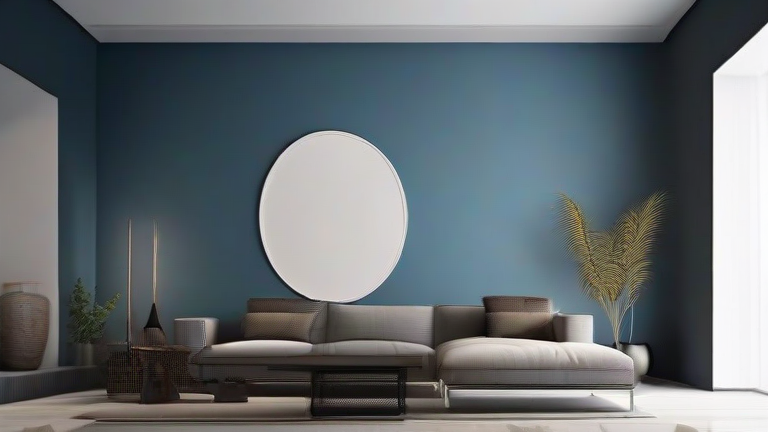
Timeless Porcelain Home Decor: Elevate Your Space
TL;DR: Porcelain home decor represents a high-growth niche driven by consumers seeking durable, aesthetic, and sustainable interior solutions. Businesses can capture this market by leveraging minimalist design trends and emphasizing the material’s longevity and low-maintenance benefits.
Market Analysis
The global home decor market is undergoing a significant shift toward quality over quantity, with porcelain emerging as a dominant material in this transition. Recent industry reports indicate a compound annual growth rate of 4.5% in the premium ceramics sector, fueled by a post-pandemic desire for refined living spaces. Unlike mass-produced plastic or fast-fashion textiles, porcelain offers a tactile luxury that resonates with millennials and Gen Z homeowners who value authenticity and heritage. The market is particularly strong in urban centers where space is at a premium, and every item must serve a dual purpose of function and beauty. Furthermore, the rise of e-commerce has democratized access to artisanal porcelain, allowing niche brands to compete with traditional retailers by showcasing unique craftsmanship through high-quality digital imagery and storytelling. This segment is not merely about selling objects; it is about selling a lifestyle that prioritizes calm, order, and timeless elegance.
Strategy Insights
To succeed in this competitive landscape, brands must adopt a strategy that balances heritage with modern innovation. First, sustainability is non-negotiable. Consumers are increasingly scrutinizing the supply chain, so highlighting eco-friendly firing processes and biodegradable packaging can significantly enhance brand loyalty. Second, design minimalism remains the key driver of sales. Porcelain’s smooth, white or neutral tones complement the Scandinavian and Japandi aesthetics that dominate current interior design trends. Marketing efforts should focus on the sensory experience, using copy that describes the coolness of the touch, the purity of the glaze, and the acoustic clarity of the material. Third, cross-selling is a powerful tactic. Instead of selling a single vase, brands should curate collections that include matching dinnerware, candle holders, and small sculptural pieces. This encourages larger basket sizes and positions the brand as a comprehensive solution for home styling. Finally, leveraging influencer partnerships with interior design experts rather than general lifestyle bloggers can provide credible endorsements that drive high-value conversions.
Case Studies
Consider the success of “Clay & Stone,” a boutique brand that pivoted from generic mugs to sculptural porcelain vessels. By focusing on limited-edition releases and collaborating with contemporary artists, they increased their average order value by 35% within a year. Their strategy relied on scarcity and exclusivity, creating a sense of urgency that drove repeat purchases. Another example is “PureForm,” which targeted the corporate gifting market. By offering customizable porcelain desk organizers and paperweights, they secured B2B contracts that provided stable revenue streams during consumer downturns. Both cases demonstrate that understanding the specific utility and emotional appeal of porcelain allows brands to carve out distinct market positions. They prove that when the material is presented with intention and context, it transcends its physical form to become a symbol of sophistication.
FAQ
Q: Why is porcelain preferred over ceramic for high-end decor?
A: Porcelain is fired at higher temperatures, making it denser, less porous, and more durable than standard ceramic, which ensures better longevity and a superior finish.
If you want to dig deeper, check out our guide on Canva Tutorial: How to Create a Professional Social Media Ca.
Q: How can small businesses compete with large porcelain manufacturers?
A: Small businesses can compete by offering bespoke, artistically unique designs and personalized customer service that large mass-production facilities cannot replicate.
Q: What is the best way to market porcelain home decor online?
A: The most effective strategy involves high-resolution video content that showcases the material’s texture and light-reflecting properties, combined with lifestyle imagery in curated home settings.
Leave a Reply