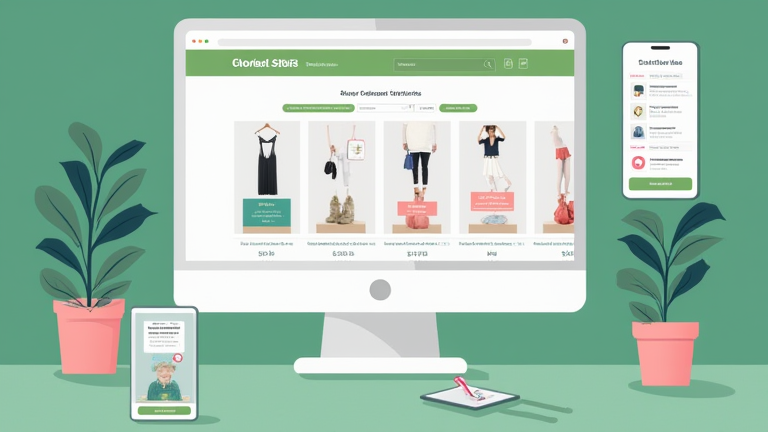
Shopify Tutorial: How to Set Up Your First Online Store
TL;DR: To set up your first online store, sign up for a Shopify trial, choose a theme, and add your porcelain home decor products with high-quality images. Configure your payment gateways and shipping profiles to start selling ceramic vases, mugs, and plates immediately.
Step 1: Create Your Account and Choose a Plan
Begin by visiting the Shopify website and clicking “Start Free Trial.” You will need to provide your business name, email address, and country. Once logged in, you will be prompted to choose a pricing plan. For a new store focused on porcelain home decor, the Basic plan is often sufficient. It allows you to sell products and manage inventory without the complex features of higher tiers. Do not worry about committing to a long-term contract immediately, as you can change plans later if your ceramic business grows.
If you want to dig deeper, check out our guide on Porcelain Home Decor Tutorial: 5 Easy DIY Ideas.
Step 2: Customize Your Store Design
Navigate to “Online Store” and then “Themes.” Select a theme that complements the elegance of porcelain. Look for clean, minimalist designs that allow the delicate textures and colors of your ceramic items to stand out. Use the theme editor to upload your logo, which might feature a stylized vase or a hand holding a mug. Adjust the color palette to match your brand identity, perhaps using soft pastels or earthy tones that reflect the natural clay origins of your products. Ensure your homepage features a hero image showcasing a beautiful arrangement of your best-selling porcelain pieces.
Step 3: Add Your Porcelain Products
Go to “Products” and click “Add product.” Enter the name, description, and price for each item. For example, name a product “Hand-Painted Celadon Vase.” In the description, highlight the craftsmanship, the firing process, and the specific use case, such as displaying fresh flowers or serving as a standalone art piece. Upload multiple high-resolution images from different angles. Since porcelain is fragile, include a photo showing the scale relative to a standard object, like a hand or a common household item. Set the inventory quantity carefully, as handmade porcelain items are often produced in limited batches. Add tags like “handmade,” “ceramic,” and “vase” to improve searchability within your store.
Step 4: Configure Payments and Shipping
Under “Settings,” select “Payments” to activate your preferred payment providers, such as Shopify Payments, PayPal, or Apple Pay. Ensure your currency is set correctly for your target market. Next, go to “Shipping and delivery.” Create shipping profiles that account for the fragility of porcelain. You may want to offer different rates for domestic versus international shipping, as international carriers often require extra insurance for breakable goods. Clearly state your return policy regarding damaged items, explaining how customers should package returned porcelain for safe transit. This transparency builds trust with customers who may be hesitant to buy fragile items online.
Step 5: Final Checks and Launch
Before going live, test your checkout process by placing a dummy order. Verify that email notifications are sent correctly. Check that all product links work and that images load quickly on mobile devices. Once everything is functioning smoothly, remove the password protection on your store to make it publicly accessible. Promote your launch on social media, sharing behind-the-scenes content of the porcelain creation process to engage potential buyers and drive traffic to your new online home decor destination.
FAQ
Q: How do I handle returns for broken porcelain?
A: Create a clear policy requiring customers to photograph damage upon arrival and instruct them to repack items securely in their original bubble wrap for the return shipment.
Q: Can I sell handmade porcelain in bulk?
A: Yes, you can set up volume discounts in Shopify to encourage customers to buy sets of matching mugs, plates, or decorative bowls at a slight discount.
Q: What is the best way to photograph porcelain?
A: Use natural light or
Leave a Reply