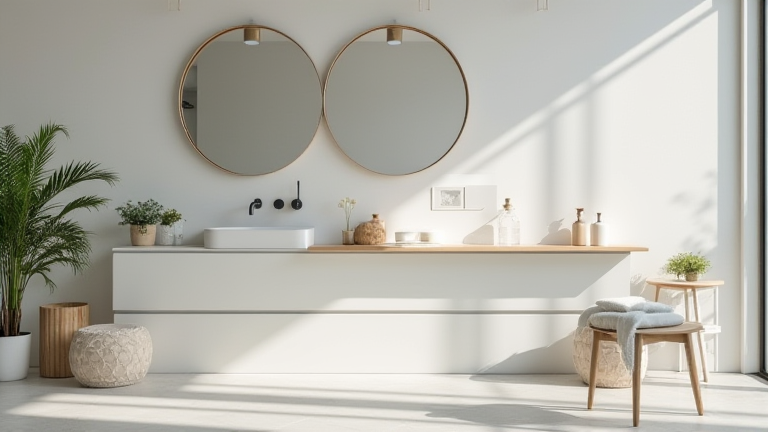
TL;DR: Porcelain home decor items, such as vases and dinnerware, are non-porous and chemically inert, ensuring they do not leach harmful heavy metals or volatile organic compounds into your food or living environment. Choosing these high-quality ceramic pieces supports a toxic-free home by eliminating exposure to plasticizers and synthetic glazes that can disrupt endocrine function.
The Science of Non-Porous Safety
Modern porcelain is manufactured at extremely high temperatures, creating a material that is denser and less porous than traditional earthenware or stoneware. This structural integrity is a key health benefit because it prevents the absorption of food acids, liquids, and cleaning agents. Unlike plastic containers or low-quality ceramics that may contain lead or cadmium stabilizers, high-grade porcelain remains chemically stable. Recent studies in environmental health suggest that reducing contact with synthetic materials in the home can lower the overall burden of endocrine-disrupting chemicals on the body. By selecting porcelain for high-traffic areas like the dining room, you create a barrier against invisible chemical migration, ensuring that what you eat and drink remains pure and uncontaminated.
If you want to dig deeper, check out our guide on Elevate Your Home: 10 Elegant Porcelain Decor Ideas.
Respiratory Health and Indoor Air Quality
One of the most overlooked health benefits of porcelain decor is its contribution to better indoor air quality. Many synthetic household items, including plastic storage bins and composite furniture, continuously off-gas volatile organic compounds (VOCs) such as formaldehyde and benzene. Porcelain, being an inorganic material fired at high heat, does not emit these harmful gases. This is particularly significant for individuals with asthma, allergies, or chemical sensitivities. By replacing plastic decorative accents with porcelain vases, plates, and figurines, you reduce the total VOC load in your home. This leads to clearer air, fewer respiratory irritations, and improved sleep quality, as your body is not forced to process low-level toxins while you rest.
Hygienic Surfaces and Allergen Control
Porcelain surfaces are inherently non-porous, making them exceptionally easy to clean and sanitize. This property is crucial for preventing the buildup of mold, mildew, and dust mites, which are common triggers for allergic reactions. Unlike fabric-based decor or porous wood, porcelain does not trap allergens in its fibers. Regular washing with mild soap and water is sufficient to keep porcelain items hygienic, reducing the risk of bacterial growth. For households with young children or pets, this means fewer instances of accidental ingestion of harmful bacteria. Furthermore, the smooth finish of glazed porcelain does not harbor microorganisms as easily as textured surfaces, supporting a cleaner and healthier living space for the entire family.
Mental Well-Being and Aesthetic Serenity
Health is not just physical; it is also mental and emotional. The aesthetic qualities of porcelain, including its luster, weight, and refined shapes, contribute to a sense of calm and order in the home. Research in environmental psychology indicates that surrounding oneself with high-quality, durable objects can reduce cognitive load and stress levels. The act of caring for porcelain decor, such as arranging flowers in a ceramic vase or setting a beautiful table, can serve as a mindful practice. This connection to tangible, beautiful objects fosters a sense of stability and appreciation, counteracting the chaos of modern digital life. By investing in timeless porcelain pieces, you create a sanctuary that supports mental clarity and emotional balance.
Practical Lifestyle Tips for Toxic-Free Living
To maximize the health benefits of porcelain decor, start by auditing your current home items. Replace any plastic food storage containers or synthetic decorative pieces with porcelain alternatives. When shopping for new items, look for labels indicating that the glaze is lead-free and cadmium-free, especially for items intended to hold food. Wash new porcelain items before their first use to remove any dust or residues from manufacturing. Incorporate porcelain into your daily rituals, such as drinking tea from a ceramic cup, to enhance your connection to the present moment. Remember that while porcelain is highly durable, it is still brittle, so handle with care to maintain its integrity and beauty.
FAQ
Q: Is all porcelain safe for food
Leave a Reply