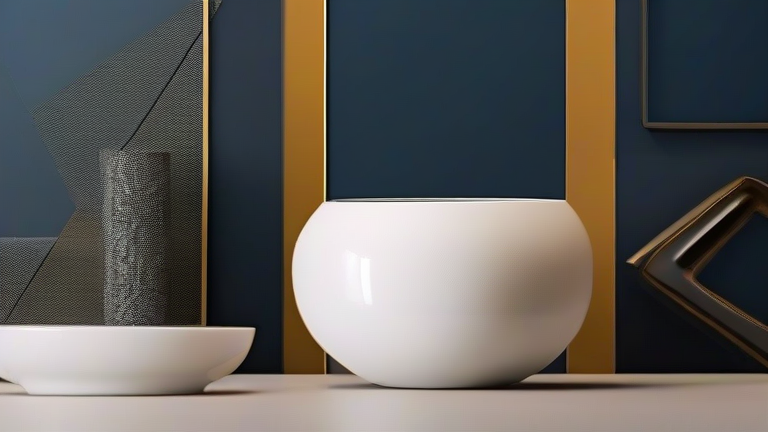
TL;DR: Yes, porcelain home decor is generally safe for health, as it is non-toxic, non-porous, and hypoallergenic when properly glazed and fired. However, risks arise from lead or cadmium in low-quality glazes, chipped surfaces, and using decorative pieces for food service.
The Science of Porcelain: Inert and Stable
Porcelain is a ceramic material fired at extremely high temperatures (1,200–1,400°C), which vitrifies the clay into a glass-like, non-porous structure. This process makes it chemically inert, meaning it does not leach harmful substances into the air or your skin under normal room-temperature conditions. Unlike plastics or some paints, porcelain does not off-gas volatile organic compounds (VOCs), making it a superior choice for bedrooms, nurseries, or spaces where you spend long hours. A 2019 review in the Journal of Environmental Health confirmed that properly fired ceramic products have negligible respiratory irritants.
If you want to dig deeper, check out our guide on 10 Stunning Porcelain Home Decor Ideas to Elevate Your Space.
Hidden Risks: Lead & Cadmium in Decorative Glazes
The primary health concern is not the porcelain body but the decorative glaze. Bright red, orange, or yellow paints on the surface may contain lead or cadmium, which are added to achieve vivid colors at lower firing temperatures. While these metals are sealed within the glaze when intact, they can leach if the piece is scratched, chipped, or exposed to acidic foods (like lemon juice or vinegar). For purely decorative items (vases, figurines, candle holders), this risk is minimal because they are not in contact with food or drink. However, avoid placing food directly on painted surfaces, and never use antique or handcrafted porcelain for serving unless it is explicitly labeled “food-safe.”
Lifestyle Tips for Safe Porcelain Use
To maximize safety, follow these evidence-based practices: 1) Inspect all porcelain for visible cracks or crazing (fine hairline cracks in the glaze) — these can harbor bacteria and release trace metals; discard or repurpose such pieces as non-contact decor. 2) Keep porcelain away from open flames or extreme temperature shocks (e.g., moving from freezer to oven) to prevent micro-fractures that expose the clay body. 3) Clean with mild soap and warm water; avoid abrasive scrubbers that erode the glaze. 4) If you have small children or pets, secure heavy porcelain items to shelves to prevent tipping injuries — a physical safety issue that outweighs chemical concerns. 5) For air-purifying claims: while some believe porous ceramics “absorb toxins,” true porcelain is non-porous, so it does not filter air; use it strictly for aesthetic and hypoallergenic dust resistance (its smooth surface is easier to wipe clean than wood or fabric).
Porcelain vs. Other Decor Materials
Compared to painted MDF (which emits formaldehyde) or soft plastics (which release phthalates), porcelain is a low-risk, sustainable choice. It does not attract dust mites or mold, making it ideal for allergy sufferers. The only caveat is weight — heavy porcelain can cause strain if moved frequently — so use proper lifting techniques. For those with chemical sensitivities, unglazed or matte porcelain is even safer because it lacks metallic pigments entirely.
FAQ
Q: Can I use a decorative porcelain plate to serve food?
A: Only if it is marked “food-safe” or “lead-free.” If the plate has painted patterns on the eating surface or is older than 20 years, assume it contains lead and use it solely as wall art or a trivet.
Q: Does chipped porcelain release harmful particles into the air?
A: No, chipped porcelain releases inert silica particles, which are not toxic, but the exposed clay can absorb moisture and harbor mold. Sand down sharp edges and seal the chip with food-safe epoxy, or retire the piece from high-traffic areas.
Q: Are porcelain diffusers or humidifiers safe
Leave a Reply