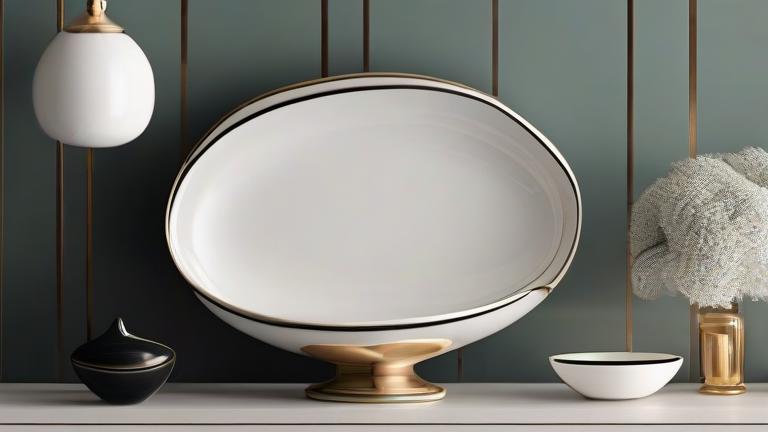
TL;DR: Porcelain home decor reduces indoor air pollution by eliminating off-gassing chemicals common in synthetic materials. Additionally, its non-porous surface prevents mold and bacterial growth, creating a cleaner and safer environment for your family.
The Cleanest Surface in Your Home
When selecting home decor, many people prioritize aesthetics over health implications. However, the materials in your living space significantly impact your respiratory and overall well-being. Porcelain, a high-fired ceramic material, has gained popularity in modern interiors for its durability and elegance. Beyond its visual appeal, porcelain offers specific health advantages that make it a superior choice for a safer living environment. Unlike painted woods or synthetic plastics, porcelain is inert and stable, meaning it does not react with the air or release volatile organic compounds (VOCs) into your home.
If you want to dig deeper, check out our guide on Elevate Your Home: Timeless Porcelain Decor for Modern Lifes.
Zero VOC Emissions for Respiratory Health
One of the most significant health risks in modern homes is exposure to VOCs, which are released from paints, glazes, and synthetic adhesives. These chemicals can trigger headaches, nausea, and respiratory irritation. Porcelain decor, such as vases, wall art, and tableware, is fired at extremely high temperatures, locking in a stable chemical structure. This process ensures that the final product is free from harmful off-gassing agents. For individuals with asthma or chemical sensitivities, choosing porcelain over painted or laminated alternatives can drastically reduce indoor air pollutants, leading to cleaner breath and better sleep quality.
Non-Porous Barriers Against Mold and Bacteria
Mold spores thrive in porous materials like drywall, wood, and fabric. When humidity levels rise, these materials can absorb moisture, creating breeding grounds for mold. Porcelain, however, is inherently non-porous. Its dense structure prevents water absorption, making it incredibly resistant to mold, mildew, and bacterial colonization. This property is particularly beneficial for items placed in high-humidity areas, such as bathrooms or kitchens. A porcelain mirror or vase does not retain moisture, thereby reducing the overall mold load in your home. Regular cleaning with mild soap and water is sufficient to keep these items hygienic, without the need for harsh chemical sanitizers that can further degrade air quality.
Hypoallergenic Properties for Sensitive Skin
For those with skin conditions like eczema or dermatitis, the materials in your home matter. Porcelain is hypoallergenic and smooth, preventing the accumulation of dust mites and allergens that often cling to textured fabrics or rough surfaces. Decorative porcelain objects do not shed fibers or harbor dust particles, making them ideal for bedrooms and living rooms where you spend significant time. By minimizing contact with allergenic surfaces, porcelain decor supports better skin health and reduces the frequency of allergic reactions for sensitive individuals.
Longevity Reduces Environmental and Health Stress
Fast fashion and disposable decor lead to frequent replacement, which often involves exposure to new chemical treatments. Porcelain is exceptionally durable and resistant to chipping, cracking, and fading. Investing in high-quality porcelain pieces means they last for decades, reducing the need for constant replacement. This longevity not only benefits the environment but also reduces the personal stress associated with managing household waste and exposure to new, potentially toxic materials. A stable, durable home environment contributes to mental well-being by providing a sense of order and permanence.
Easy Maintenance for a Sanitary Lifestyle
Maintaining a healthy home requires consistent hygiene efforts. Porcelain’s smooth, glossy finish makes it the easiest material to clean. You can wipe it down with a damp cloth to remove dust and contaminants instantly. This ease of maintenance encourages more frequent cleaning, which directly correlates with a healthier indoor environment. Unlike carpets or upholstered furniture, which trap dirt deep within fibers, porcelain surfaces allow for thorough sanitation, ensuring that your living space remains a sanctuary of cleanliness and health.
FAQ
Q: Is porcelain safe for people with allergies?
A: Yes, porcelain is hypoallergenic and non-porous, preventing the buildup of dust mites and mold spores that trigger allergic reactions.</
Leave a Reply