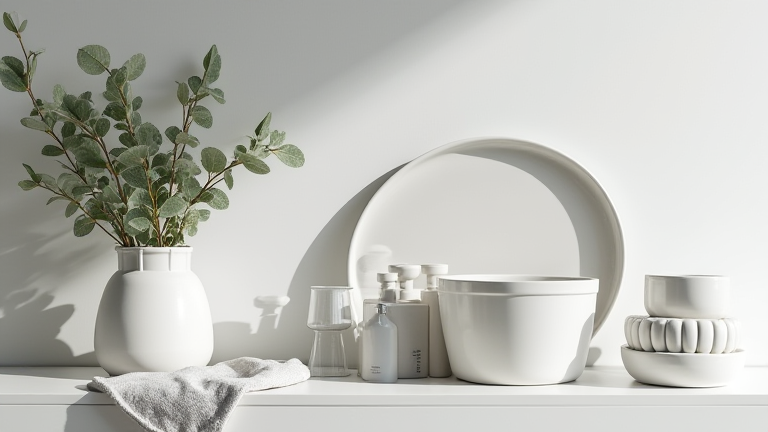
TL;DR: Porcelain home decor is durable, versatile, and elegant, but beginners must learn to distinguish it from ceramic and care for it properly. Start with small accent pieces like vases or trinket dishes, and always hand-wash to preserve the glaze.
Step 1: Know Your Porcelain vs. Ceramic
Porcelain is a type of ceramic fired at a higher temperature (above 1,200°C), making it denser, less porous, and slightly translucent when thin. For decor, look for the “bone china” or “hard-paste” labels if you want premium quality. Tap the piece gently—porcelain rings like a bell, while earthenware thuds. Avoid buying porous “ceramic” items if you plan to hold liquids or use them outdoors.
If you want to dig deeper, check out our guide on Elevate Your Home: Timeless Porcelain Decor Ideas for Modern.
Step 2: Start with Unobtrusive Accents
Begin with three foolproof pieces: a small porcelain bud vase, a lidded trinket box, and a set of coasters. These allow you to test the material’s weight and finish without committing to a large sculpture. Choose matte or glossy finishes that complement your existing palette—white or celadon green are beginner-friendly because they hide minor glaze imperfections.
Step 3: Display in Odd Numbers and Vary Heights
Arrange your porcelain pieces in groups of three or five on a shelf, console, or mantel. Use a small stack of books or a wooden riser to create height variation. Pair a tall vase with a squat bowl and a small figurine. Avoid placing porcelain directly on cold stone or metal surfaces—use felt pads or a linen runner to prevent scratches and chips.
Step 4: Handle with Two Hands and Soft Cloths
Always lift porcelain with two hands, supporting the base, especially for thin-walled pieces. When dusting, use a microfiber cloth or a soft paintbrush—never abrasive sponges. For stuck-on residue, wipe with a damp cotton cloth and mild dish soap, then dry immediately. Do not soak porcelain decor, as water can seep into hairline cracks and weaken the glaze.
Step 5: Clean and Store for Longevity
Hand-wash all porcelain decor with lukewarm water and a gentle pH-neutral soap. Avoid dishwasher and microwave, even if the label says “safe,” because thermal shock can cause crazing (tiny cracks). For storage, wrap each piece in acid-free tissue paper and place them in a dedicated box with dividers. Store in a dry, stable-temperature cabinet—never in an attic or damp basement.
Step 6: Repair Minor Chips Immediately
If you chip a rim or base, do not use superglue—it will yellow. Instead, use a two-part epoxy designed for ceramics. Clean the chip with rubbing alcohol, apply a tiny amount, press the fragment for 60 seconds, and let cure for 24 hours. For missing fragments, leave it as a “wabi-sabi” feature or take it to a professional restorer. Do not attempt to paint over the damage.
FAQ
Q: Can I use porcelain decor outdoors?
A: Only frost-proof porcelain (labeled “vitrified” or “outdoor-safe”) can survive freezing. Standard decorative porcelain will crack when water freezes inside its pores, so keep it inside or in a covered porch.
Q: How do I tell if a piece is genuine porcelain without a label?
A: Hold it up to a bright light—genuine porcelain is slightly translucent at the thinnest edges (like a teacup rim). Also, check the unglazed base: it should feel smooth and appear white or ivory, not chalky or tan.
Q: Are expensive designer porcelain pieces worth it for beginners?
A: No. Start with mid-range brands (e.g., Japanese or Portuguese makers) under $50. They offer consistent quality without the risk of ruining a $200 sculpture during your learning
Leave a Reply