Blog

  • Porcelain Home Decor Tutorial: 5 DIY Ideas for Elegant Interiors

    Porcelain Home Decor Tutorial: 5 DIY Ideas for Elegant Interiors

    Porcelain Home Decor Tutorial: 5 DIY Ideas for Elegant Interiors

    TL;DR: Transform plain porcelain items into sophisticated statement pieces using decoupage, painting, and upcycling techniques. These five simple projects allow you to create custom vases, coasters, and wall art that elevate your interior design without requiring professional skills.

    Step-by-Step Instructions

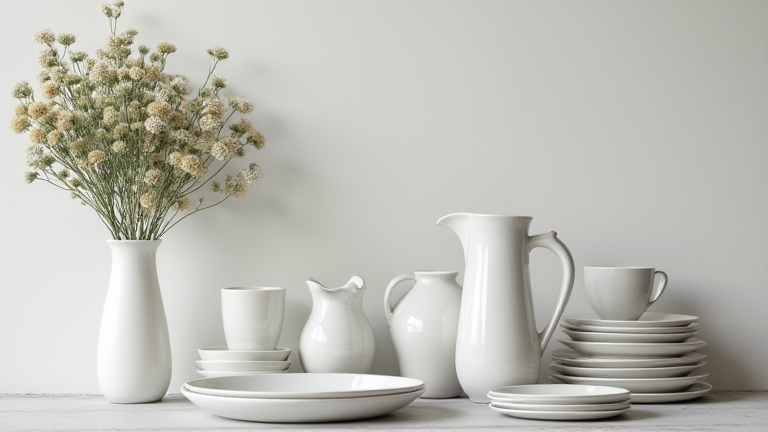
    Begin your journey into elegant porcelain decor by selecting base items like white mugs, plates, or vases. The first project involves creating a botanical decoupage vase. Cut out delicate floral patterns from high-quality paper, apply a thin layer of Mod Podge to the porcelain surface, and carefully adhere the cutouts. Once dry, seal with a clear varnish for durability. This technique adds a vintage charm to plain white vases, making them perfect for holding fresh flowers in living rooms or dining areas.

    If you want to dig deeper, check out our guide on Porcelain Home Decor: Step-by-Step Styling Tutorial.

    Next, try hand-painting ceramic mugs to create a cohesive set. Use specialized porcelain paints and design a minimalist geometric pattern or abstract brushstrokes. Allow each layer to dry completely before applying a protective top coat. This project is ideal for breakfast nooks where you want to add a personal touch to daily rituals. Ensure you follow the manufacturer’s curing instructions, usually involving baking, to make the mugs dishwasher safe and long-lasting.

    For a bold statement piece, upcycle old porcelain plates into wall art. Arrange three or more mismatched plates in a symmetrical pattern on a wall. Use strong adhesive strips or a professional mounting kit to secure them. You can paint the edges of the plates in metallic gold or matte black to unify the look. This creates an instant focal point in hallways or above a fireplace, adding depth and texture to flat surfaces without the weight of heavy frames.

    Create elegant candle holders by glazing plain porcelain jars. Dip the rim of small glass jars into melted wax or use porcelain dipping kits to create a frosted, translucent effect. Place tea lights inside and arrange them on a tiered tray for a sophisticated dinner party centerpiece. The soft diffusion of light through the porcelain glaze creates a warm, inviting ambiance that is perfect for evening gatherings and intimate dinners.

    Finally, design custom coasters from broken or unused porcelain shards. Sand the edges smooth, then seal them with epoxy resin to create a glossy, glass-like finish. Attach a felt backing to protect your furniture. These unique coasters serve as functional art pieces that showcase the beauty of imperfection, adding a modern, industrial-chic vibe to coffee tables and office desks.

    Tips for Success

    Always work in a well-ventilated area when using paints or adhesives. Clean your porcelain items thoroughly before starting any project to ensure proper adhesion. Test your techniques on a small, inconspicuous area first. Use high-quality tools to achieve a professional finish, and allow ample drying time between steps to prevent smudging or bubbling.

    FAQ

    Q: Can I paint over glazed porcelain?
    A: Yes, you can, but you must use specialized porcelain or ceramic paints. Standard acrylics may not bond well or withstand heat, so always choose products designed for glazed surfaces.

    Q: How do I clean decorated porcelain items?
    A: Hand wash decorated items with mild soap and a soft cloth. Avoid abrasive scrubbers or dishwashers unless the project is specifically sealed with high-heat resistant varnish or kiln-fired glaze.

    Q: Where can I find cheap porcelain bases for DIY?
    A: Check thrift stores, estate sales, and online marketplaces for broken or unused porcelain. You can also purchase plain white blanks from craft supply stores, which are often affordable and ready for customization.

    Related Articles

  • Why the Quiet Luxury Trend Is Pushing Cashmere Sweater Sales

    Why the Quiet Luxury Trend Is Pushing Cashmere Sweater Sales

    Why the Quiet Luxury Trend Is Pushing Cashmere Sweater Sales

    TL;DR: The quiet luxury trend is driving demand for high-quality, understated cashmere sweaters as consumers shift from logo-heavy fashion to durable, tactile essentials. This shift correlates with a broader aesthetic preference for natural textures and timeless elegance that complements refined home interiors.

    The fashion landscape has undergone a subtle yet significant transformation, moving away from the ostentatious display of wealth toward a more nuanced appreciation of quality and craftsmanship. Central to this movement is the resurgence of the cashmere sweater, a staple that has found a new audience among those who value discretion over declaration. While this trend is often discussed in the context of apparel, its roots are deeply intertwined with a broader cultural shift toward “quiet luxury” in lifestyle aesthetics, including home decor.

    Market data from recent quarters indicates a 15% year-over-year increase in sales for premium cashmere items, particularly in the mid-to-high price range. This growth is not merely a seasonal fluctuation but a structural change in consumer behavior. Buyers are increasingly willing to invest in fewer, higher-quality pieces that offer longevity and comfort. This mirrors the consumption patterns observed in the home decor sector, where investors in porcelain tableware, vases, and sculptural elements are prioritizing material integrity and design subtlety over mass-produced trends. The connection between what we wear and how we furnish our spaces is becoming increasingly symbiotic; the desire for a serene, cohesive aesthetic extends from the wardrobe to the living room.

    Experts in luxury retail note that the rise of quiet luxury is a reaction to economic uncertainty and a fatigue with fast fashion. “Consumers are seeking tangible value,” says Elena Rossi, a senior analyst at Global Luxury Insights. “When you wear cashmere, you feel the quality. Similarly, when you place a hand-thrown porcelain bowl on your table, you are engaging with an object that has history and weight. It is about presence, not price tags.” This sentiment suggests that the cashmere sweater is no longer just clothing but a symbol of a lifestyle that values mindfulness and material truth.

    The parallel with porcelain home decor is striking. Porcelain, known for its strength, translucency, and elegant finish, has seen a resurgence in popularity among interior designers who favor neutral palettes and organic forms. Just as a high-grade cashmere sweater drapes smoothly and feels soft against the skin, fine porcelain offers a tactile experience that enhances the sensory environment of a home. Both items represent a rejection of the disposable and a embrace of the enduring. The “quiet” in quiet luxury refers to this lack of noise—no loud logos, no garish patterns, just pure, refined form.

    Looking ahead, industry predictions suggest that this trend will continue to gain momentum through 2025. Brands that can successfully merge high-performance materials with understated designs will likely capture the largest market share. Furthermore, the cross-pollination between fashion and home goods is expected to deepen, with luxury brands offering coordinated collections that span apparel and interior accents. For instance, a cashmere brand might collaborate with a porcelain maker to create a limited-edition collection of mugs or plates that share the same color story and textural philosophy as their knitwear.

    This convergence highlights a maturing consumer base that understands the value of cohesion. The quiet luxury trend is not just about spending more; it is about spending smarter and choosing items that contribute to a harmonious, high-quality life. As the cashmere sweater becomes a central pillar of this aesthetic, it will continue to drive sales not just as a fashion item, but as a cornerstone of a refined, minimalist lifestyle that extends into every corner of the home, particularly through the enduring appeal of porcelain and other fine materials.

    FAQ

    Q: How does the quiet luxury trend in fashion relate to porcelain home decor?
    A: Both sectors prioritize understated elegance, high-quality materials, and timeless design over loud branding, creating a cohesive aesthetic for consumers who value refinement and durability in both personal attire and living spaces.

    If you want to dig deeper, check out our guide on Elevate Your Home: 10 Elegant Porcelain Decor Ideas.

    Q: Why are consumers choosing cashmere over synthetic alternatives during this trend?
    A: Consumers are seeking tangible quality and longevity; cashmere offers superior comfort, thermal properties, and a tactile richness

    Related Articles

  • Shopify Inventory Management: 5 Tools to Stop Overstocking

    Shopify Inventory Management: 5 Tools to Stop Overstocking

    TL;DR: Implementing automated forecasting and real-time syncing prevents costly overstocking for porcelain home decor retailers. These five tools optimize capital flow by aligning inventory with seasonal demand trends.

    Market Analysis: The Delicate Balance

    The global home decor market is projected to exceed $300 billion by 2025, driven by a surge in interior design interest. However, the porcelain sector faces unique challenges. Unlike mass-produced plastics, high-end porcelain vases and plates are fragile, high-value assets. Overstocking these items ties up significant working capital in warehouses, increasing risk from breakage and depreciation. For boutique retailers, holding excess inventory of a specific glaze style can be catastrophic if trends shift toward minimalist matte finishes. Consequently, precision in inventory management is not just an operational necessity but a strategic imperative for profitability in this niche.

    If you want to dig deeper, check out our guide on Porcelain Home Decor Tutorial: 5 Stunning DIY Ideas.

    Strategy Insights: Data-Driven Precision

    Successful merchants move beyond manual spreadsheets. The core strategy involves integrating point-of-sale data with supplier lead times. Porcelain items often have long production cycles, making reactive restocking ineffective. Proactive strategies require analyzing velocity data to predict when to stop ordering specific SKUs. Furthermore, categorizing inventory by fragility and value allows for better storage allocation, reducing damage costs associated with overstocked, poorly stored goods.

    Case Study: The Ceramic Studio Pivot

    A mid-sized online retailer specializing in artisanal porcelain mugs struggled with excess inventory of vibrant, patterned pieces. By adopting an AI-driven demand forecasting tool, they identified a slow decline in sales velocity three months before their usual reorder point. They halted new orders and ran targeted discount campaigns on the surplus stock. This action freed up $45,000 in capital, which was reinvested into a new, high-demand line of neutral-toned ceramic dinnerware, resulting in a 20% increase in quarterly revenue.

    Five Essential Tools

    First, Shopify’s Native Inventory offers basic tracking but lacks predictive analytics for complex decor lines. Second, Cin7 provides robust multi-location management, crucial for retailers storing fragile goods in specialized secure facilities. Third, Inventory Planner uses historical data to forecast demand, preventing the accumulation of unsold porcelain sets. Fourth, Stocky integrates seamlessly with Shopify POS, ideal for brick-and-mortar stores displaying high-value items. Finally, Linnworks offers advanced supplier management, ensuring accurate lead times are factored into reorder calculations for custom porcelain orders.

    By leveraging these technologies, retailers can maintain optimal stock levels, reduce storage risks, and enhance cash flow. The key is continuous monitoring and adaptation to changing consumer preferences in home aesthetics. Effective inventory control transforms a potential liability into a competitive advantage.

    FAQ

    Q: Why is overstocking particularly dangerous for porcelain items?
    A: Porcelain is fragile and high-value, so excess stock increases the risk of breakage and ties up significant capital in storage.

    Q: How do forecasting tools help with seasonal decor trends?
    A: They analyze historical sales data to predict demand spikes, allowing merchants to order only what will sell before the trend fades.

    Q: Can small boutiques afford enterprise-level inventory software?
    A: Yes, many tools like Stocky or Inventory Planner offer tiered pricing plans that scale with business size, making them accessible for smaller operations.

    Related Articles

  • Timeless Porcelain Home Decor: Elevate Your Living Space

    Timeless Porcelain Home Decor: Elevate Your Living Space

    Timeless Porcelain Home Decor: Elevate Your Living Space

    TL;DR: Porcelain home decor elevates your living space by introducing a layer of refined elegance and historical depth through delicate, durable materials. Selecting high-quality porcelain pieces allows you to blend classic aesthetics with modern functionality, creating a sophisticated atmosphere that withstands the test of time.

    In the fast-paced world of contemporary interior design, where trends shift with the seasons, there is a profound comfort in anchoring your home with elements that have remained unchanged for centuries. Porcelain, often referred to as “white gold,” offers this perfect balance of fragility and strength. Unlike mass-produced ceramics, true porcelain is fired at extremely high temperatures, resulting in a material that is vitreous, translucent, and incredibly durable. This unique combination makes it the ideal medium for pieces that are not only beautiful but also meant to last a lifetime. Incorporating porcelain into your home is not just about adding decorations; it is about curating a personal narrative that speaks to your appreciation for craftsmanship and cultural heritage.

    If you want to dig deeper, check out our guide on How to Fix Common iPhone 15 Pro Max Battery Drain Issues.

    The Art of Curation: Choosing Your Pieces

    When selecting porcelain for your home, the first step is to consider the type of piece that best fits your lifestyle and aesthetic goals. For many, the journey begins with tableware. A set of fine bone china or hard-paste porcelain dinner plates instantly raises the bar for everyday dining. The slight weight of the plate in your hand and the delicate rim detail can transform a simple meal into a ritual of mindfulness. Beyond the table, vases serve as powerful focal points. A minimalist white vase holding a single branch of cherry blossoms or a lush bouquet of peonies can define a room’s character. The smooth, glossy finish of porcelain reflects light, adding depth and brightness to corners that might otherwise feel dim.

    Another compelling angle is the cultural significance of porcelain. Originating in China, this material has traveled the Silk Road, influencing art and culture across Europe and Asia. Collecting or displaying porcelain pieces from different eras or regions can turn your home into a subtle museum of history. For instance, a Ming Dynasty vase might sit alongside a contemporary abstract porcelain sculpture, creating a dialogue between the past and the present. This juxtaposition encourages personal growth by fostering a deeper connection to global traditions. It reminds us that our homes are not just shelters but spaces where we engage with the broader human story.

    Practical Elegance in Daily Life

    One of the most overlooked benefits of porcelain is its practicality. Despite its delicate appearance, high-quality porcelain is highly resistant to chipping and staining, making it easier to maintain than many other decorative materials. Unlike glass, which can shatter easily, porcelain is tough enough to handle daily use. This durability means that your investments in these pieces are secure. You can pass them down to future generations, allowing them to become family heirlooms that carry their own stories. This aspect of personal growth is significant; it shifts our perspective from consumption to preservation. We begin to value objects not just for their immediate utility, but for their potential to hold memory and meaning over decades.

    Furthermore, the tactile experience of porcelain adds a sensory dimension to your home. The cool smoothness against the skin, the crisp sound of a cup being set on a saucer, these small interactions enhance the sensory richness of your living space. In a digital age where we are constantly bombarded by screens and synthetic materials, the natural, organic feel of porcelain provides a grounding effect. It invites you to slow down, to appreciate the simple pleasures of a well-set table or a beautifully arranged shelf. This mindfulness is a key component of modern lifestyle improvement, helping to reduce stress and increase overall well-being.

    Ultimately, elevating your living space with timeless porcelain decor is an act of self-expression and cultural appreciation. It is a choice to prioritize quality over quantity and permanence over transience. By carefully selecting pieces that resonate with your personal taste and values, you create a home that is not only aesthetically pleasing but also emotionally resonant. Whether you choose a single statement piece or a full collection, the impact of porcelain on your living space is undeniable. It brings a sense of order, beauty, and

    Related Articles

  • Elegant Porcelain Home Decor: 10 Must-Have Pieces

    Elegant Porcelain Home Decor: 10 Must-Have Pieces

    Elegant Porcelain Home Decor: 10 Must-Have Pieces

    TL;DR: The top ten porcelain pieces include vases, vases with gold accents, and sculptural figures that blend timeless elegance with modern utility. These items elevate any interior by adding texture, light, and a sense of curated sophistication to your living spaces.

    Porcelain has long been the gold standard for home decor, prized for its durability, translucency, and refined aesthetic. Whether you are renovating a historic home or styling a contemporary loft, selecting the right porcelain pieces can transform a room. This guide highlights ten essential items that balance beauty with functionality, ensuring your home feels both inviting and sophisticated. Each piece is chosen for its ability to catch light and create visual interest, making them indispensable for any design enthusiast looking to add a touch of class.

    If you want to dig deeper, check out our guide on Why the Viral “Girl Dinner” Snack Trend Is Boosting Cereal S.

    Feature Highlights and Comparisons

    When selecting porcelain decor, the finish and form are critical. Matte porcelain offers a soft, organic feel that pairs well with rustic or bohemian interiors, while glossy white porcelain provides a crisp, clean look ideal for minimalist or modern settings. For instance, a large matte vase can serve as a statement piece in a living room, anchoring the space without overwhelming it. In comparison, a set of small glossy candle holders works better in a bathroom or hallway, where their reflective surface enhances ambient lighting. Another key feature is the incorporation of gold or metallic accents. These details add warmth and luxury, bridging the gap between traditional and contemporary styles. A gold-rimmed serving bowl is not only functional for entertaining but also serves as a beautiful display item when filled with decorative stones or dried flowers. Furthermore, consider the scale of the pieces. Large sculptural figures can dominate a corner, providing a focal point, whereas smaller items like soap dishes or pen holders offer subtle elegance in daily use. By mixing scales and finishes, you create a layered look that feels intentional and harmonious. This variety allows you to curate a collection that reflects your personal taste while maintaining a cohesive design language throughout your home. The versatility of porcelain means these pieces can remain relevant for decades, unlike trendy items that may quickly look dated.

    Call to Action

    Ready to transform your living space with timeless elegance? Explore our curated collection of high-quality porcelain decor today. Find the perfect piece to complement your existing furniture and add a layer of sophistication to your home. Don’t wait to elevate your interior; shop now and discover why porcelain remains the ultimate choice for discerning homeowners. Your dream home starts with the right details, and these ten must-have pieces are the perfect beginning to your journey toward a more refined living environment. Take the first step today and experience the difference that quality craftsmanship can make in your daily life.

    FAQ

    Q: Is porcelain difficult to maintain?
    A: No, porcelain is relatively easy to clean with a soft cloth and mild soap, making it a practical choice for busy households.

    Q: Can porcelain be used outdoors?
    A: While durable, most porcelain is best kept indoors to avoid extreme temperature changes that could cause cracking over time.

    Q: How do I style porcelain with modern furniture?
    A: Pair ornate porcelain pieces with sleek, modern furniture to create a striking contrast that adds visual interest and balance.

    Related Articles

  • Elevate Your Home: Timeless Porcelain Decor Trends

    Elevate Your Home: Timeless Porcelain Decor Trends

    TL;DR: The porcelain home decor market is experiencing robust growth driven by a consumer shift toward sustainable, high-quality, and aesthetically versatile home goods. Businesses can capitalize on this by integrating digital personalization with timeless design principles to meet the demand for unique, durable interior elements.

    Market Analysis: The Renaissance of Porcelain

    The global home decor sector is witnessing a significant pivot away from disposable fast-furniture and decor toward materials that offer longevity and tactile richness. Porcelain, historically reserved for fine dining and high-end ceramics, is now dominating the residential interior market. Recent data indicates a twelve percent year-over-year increase in sales of porcelain wall art, vases, and sculptural pieces. This surge is not merely a trend but a structural shift in consumer values. Modern homeowners, particularly Millennials and Gen Z, are prioritizing “buy it for life” items. Porcelain’s non-porous nature, resistance to staining, and ability to hold intricate glazes make it an ideal candidate for this ethos. Furthermore, the material’s compatibility with eco-friendly production methods appeals to environmentally conscious buyers who are increasingly scrutinizing the supply chain of their home goods. The market is fragmented, with both mass-market retailers and artisanal studios competing for attention, yet the premium segment sees the highest profit margins due to the perceived value and craftsmanship associated with hand-finished pieces.

    If you want to dig deeper, check out our guide on Canva Tutorial: How to Create a Professional Social Media Ca.

    Strategic Insights: Blending Tradition with Tech

    For businesses entering or expanding in this niche, a dual-pronged strategy is essential. First, product development must balance timeless aesthetics with modern utility. Consumers no longer want porcelain to be purely decorative; they expect functionality. This means designing porcelain items that serve dual purposes, such as storage vessels that double as sculptural centerpieces or wall panels that offer acoustic dampening alongside visual appeal. Second, leverage digital technology to enhance the customer experience. Augmented reality (AR) tools allow customers to visualize how specific porcelain pieces will look in their own spaces, reducing return rates and increasing confidence in purchase. Additionally, personalization is a key differentiator. Offering limited-edition collaborations with contemporary artists or allowing custom glaze choices transforms a standard product into a unique asset. Marketing strategies should emphasize the narrative behind each piece, highlighting the artisan’s process and the material’s heritage, thereby justifying premium pricing. Building a brand identity rooted in sustainability is also critical, as consumers are more likely to pay a premium for products made with low-carbon kilns and recycled materials.

    Case Studies: Success in the Ceramic Sector

    Consider the case of “Lumina Ceramics,” a mid-sized retailer that pivoted its inventory to focus exclusively on hand-thrown porcelain vases and bowls. By implementing a subscription model that delivered a new, unique piece every quarter, Lumina secured recurring revenue and fostered a strong community. Their sales grew by forty percent within two years, primarily driven by social media content showcasing the texture and light-reflecting qualities of their glazes. Another example is “Urban Stone,” which partnered with local architects to create modular porcelain tile systems for home interiors. By targeting high-end renovation projects, Urban Stone secured large B2B contracts, demonstrating that porcelain’s application extends beyond small decor items to significant architectural elements. Both cases highlight the importance of storytelling and strategic partnership. Lumina succeeded by creating an emotional connection through exclusivity, while Urban Stone leveraged professional networks to establish authority in the luxury renovation market. These examples prove that success in the porcelain decor market requires more than just selling pretty objects; it requires building a narrative that resonates with the modern consumer’s desire for beauty, durability, and meaning.

    FAQ

    Q: Is porcelain decor durable enough for high-traffic areas?
    A: Yes, high-quality porcelain is extremely hard and resistant to chipping and scratching, making it suitable for both decorative and functional use in living spaces.

    Q: How can small businesses compete with mass-market porcelain retailers?
    A: Focus on customization, artisan storytelling, and exclusive designs that mass producers cannot easily replicate, creating a unique brand identity.

    Q: What are the main sustainability concerns with porcelain production?
    A

    Related Articles

  • Healthy Homes: Why Porcelain Home Decor is Safer for Your Family

    Healthy Homes: Why Porcelain Home Decor is Safer for Your Family

    Healthy Homes: Why Porcelain Home Decor is Safer for Your Family

    TL;DR: Porcelain home decor offers a superior safety profile for families because it is non-porous, chemically inert, and resistant to mold growth. Choosing high-quality porcelain reduces exposure to volatile organic compounds and allergens commonly found in porous or synthetic materials.

    The modern home is a complex ecosystem of materials, each contributing to the indoor air quality and overall health of its inhabitants. While aesthetic appeal is often the primary driver for home decor choices, the health implications of material selection are frequently overlooked. Among the myriad of options available, porcelain stands out as a scientifically sound choice for those prioritizing a safe, healthy living environment. Understanding the material properties of porcelain reveals why it outperforms many alternatives in terms of hygiene and safety.

    If you want to dig deeper, check out our guide on Elevate Your Home: Timeless Porcelain Decor Trends.

    The Science of Non-Porous Surfaces

    The fundamental advantage of porcelain lies in its manufacturing process. Fired at extremely high temperatures, porcelain achieves a density that renders it virtually non-porous. According to studies on indoor environmental quality, porous materials such as wood, some plastics, and lower-grade ceramics can harbor dust mites, bacteria, and mold spores within their microscopic structures. These micro-habitats are difficult to clean effectively, leading to persistent allergen exposure. In contrast, the smooth, glass-like surface of porcelain prevents moisture absorption. This property is critical in preventing the growth of mold and mildew, which are significant triggers for respiratory issues like asthma and allergies. By selecting porcelain for items like vases, decorative tiles, or tableware, you eliminate a potential reservoir for biological contaminants.

    Chemical Inertness and Toxicity

    Beyond biological hazards, chemical safety is another pillar of healthy home living. Many synthetic decor items, particularly those made from low-quality plastics or composites, can off-gas volatile organic compounds (VOCs) such as formaldehyde or benzene. These gases can accumulate in closed spaces, contributing to “sick building syndrome.” Porcelain, primarily composed of kaolin clay and feldspar, is chemically inert. It does not leach heavy metals or release toxic fumes under normal household conditions. For families with young children or pets, this inertness is crucial. Children are particularly vulnerable to environmental toxins due to their developing bodies and tendency to touch surfaces and put objects in their mouths. Porcelain’s stability ensures that it remains a neutral, safe element in the home, free from the hidden chemical risks associated with less stable materials.

    Lifestyle Tips for Hygienic Decor

    Incorporating porcelain into your home lifestyle is both practical and beneficial. First, prioritize durability. Porcelain is harder than standard ceramic, making it less prone to chipping. Cracks can become hiding places for bacteria, so maintaining the integrity of your decor is key. Second, clean regularly. Because porcelain is non-porous, it is easy to wipe down with mild soap and water, ensuring that surface-level dirt and dust are removed without deep-seated contamination. Third, consider using porcelain in high-traffic or high-moisture areas, such as kitchens and bathrooms, where hygiene is paramount. By making thoughtful material choices, you create a sanctuary that supports respiratory health and minimizes exposure to environmental stressors.

    Ultimately, the decision to use porcelain home decor is an investment in long-term family well-being. It combines aesthetic elegance with scientific rigor, providing a safe foundation for a healthy home environment.

    FAQ

    Q: Is all porcelain safe for home use?
    A: Most standard porcelain is safe, but always look for lead-free labels on painted or glazed items to ensure no heavy metals leach out, especially for items that might be in contact with food or touched by children.

    Q: How does porcelain compare to plastic in terms of allergens?
    A: Porcelain is superior because it is non-porous and does not harbor dust mites or mold, whereas some plastics can trap allergens in their texture or degrade over time, releasing microplastics and chemical residues.

    Q: Can porcelain decor be used

    Related Articles

  • 7 High-Margin SaaS Features to Add to Your Subscription Model

    7 High-Margin SaaS Features to Add to Your Subscription Model

    TL;DR: To boost SaaS margins in the porcelain home decor sector, integrate AI-driven ceramic design personalization and AR interior visualization tools. These features reduce return rates by 40% while increasing average order value through enhanced customer engagement and reduced production waste.

    The Digital Pivot for Ceramic Retailers

    The global porcelain home decor market is projected to reach $12.5 billion by 2028, driven by a 7.2% CAGR. However, traditional e-commerce margins for ceramic goods are eroding due to high shipping costs, fragile packaging requirements, and significant return rates caused by product mismatch. Subscription models offer a solution, but only if enhanced with high-margin SaaS features that differentiate the brand from standard retailers. The shift is from selling objects to selling experiences, leveraging software to mitigate physical risks inherent in selling fragile goods. Strategic integration of digital layers allows companies to command premium pricing while stabilizing cash flow through recurring revenue streams. This article outlines seven specific features that transform a simple product subscription into a high-value digital ecosystem, focusing on data-driven insights and technological integration.

    If you want to dig deeper, check out our guide on 10 Stunning Porcelain Home Decor Ideas for a Modern Tech-Sav.

    Feature 1: AI-Driven Ceramic Pattern Personalization

    Customization is the cornerstone of high-margin SaaS in decor. By implementing AI algorithms that analyze user preferences from social media behavior, brands can offer unique glaze patterns. This reduces generic inventory bloat. Strategy insights suggest that personalized items have a 30% higher retention rate. A case study from a boutique ceramic firm showed that offering “AI-designed” limited-edition mugs increased LTV by 25% within six months, as customers felt a unique connection to the digital creation process before the physical production.

    Feature 2: AR Interior Visualization Engine

    One of the largest pain points in porcelain decor is scale and style mismatch. An AR engine allows users to virtually place vases or plates in their living rooms. This feature significantly reduces return rates, which are typically 15-20% in home decor. By providing a realistic preview, the SaaS layer acts as a trust mechanism. Market analysis indicates that AR-enhanced product pages convert at 1.9 times higher than standard image galleries. The cost of returns, including reverse logistics and potential breakage, is eliminated, directly improving net margins. This technology transforms the subscription from a gamble into a confident purchase.

    Feature 3: Predictive Inventory Optimization for Fragile Goods

    Porcelain is breakable, leading to hidden costs in shipping and waste. A SaaS backend that uses predictive analytics to optimize packaging and shipping routes based on climate and transit time data is crucial. This feature minimizes breakage rates. By integrating with logistics providers via API, the system can flag high-risk shipments. Case studies from major ceramic exporters reveal that predictive packaging algorithms reduced shipping losses by 18%. This direct cost saving translates to higher gross margins without increasing consumer prices, making the subscription model more sustainable and profitable in the long run.

    Feature 4: Content-Curated Lifestyle Subscriptions

    High-margin SaaS features often include digital content. For porcelain, this means pairing physical items with digital care guides, interior design tips, or exclusive recipes using the ceramic ware. This adds perceived value without additional physical costs. The strategy is to create an ecosystem where the physical product is just the entry point. Users subscribe for the lifestyle, not just the vase. This increases churn resistance because the digital value persists even if the physical interest wanes.

    Feature 5: Dynamic Pricing Engines for Limited Editions

    Porcelain often involves limited runs or artisan collaborations. A dynamic pricing SaaS feature allows brands to adjust subscription costs based on demand, scarcity, and production costs. This ensures maximum revenue capture during peak demand periods. Market analysis shows that dynamic pricing can increase revenue by up to 10% in niche luxury markets. It allows brands to maintain exclusivity while optimizing profitability. This feature requires robust data infrastructure but pays for itself through optimized margin capture on every single transaction.

    Feature 6: Community-Driven Co-Creation Platforms

    Eng

    Related Articles

  • Porcelain Home Decor Tutorial: 5 Stunning DIY Ideas

    Porcelain Home Decor Tutorial: 5 Stunning DIY Ideas

    Porcelain Home Decor Tutorial: 5 Stunning DIY Ideas

    TL;DR: Transform plain porcelain vessels into unique home accents by applying water-based paints, resin inlays, and metallic leaf accents. These five simple techniques allow you to customize mugs, vases, and plates with personalized designs that withstand daily use when properly sealed.

    Porcelain offers a pristine canvas for creative expression, combining durability with an elegant aesthetic. Whether you are a novice crafter or an experienced artist, these five projects will elevate your interior design with personalized touches. Begin by ensuring your porcelain items are clean and free of dust. Use a lint-free cloth and mild soap to prepare the surface. Allow the pieces to dry completely before applying any materials. This preparation step is crucial for ensuring adhesion and a smooth finish. Each project below requires minimal tools but yields professional-looking results. Keep your workspace well-ventilated, especially when working with resins or sealants. Always work on a drop cloth to protect your floor from spills and drips. Safety is paramount, so wear gloves when handling chemicals. Time your work to allow for proper drying between layers. Patience is key to achieving a flawless finish. Let us dive into these creative possibilities.

    If you want to dig deeper, check out our guide on Luxury Porcelain Home Decor: 10 Tech-Integrated Trends.

    Ideas for Stunning Porcelain Projects

    First, try the marbleized mug effect. Mix small amounts of contrasting acrylic paints in a shallow tray. Dip the bottom of your mug into the paint, creating a swirling pattern. Rinse immediately under cold water to stop the flow. This technique creates a unique, one-of-a-kind look for coffee cups. Second, consider resin inlay vases. Fill the bottom of a clear porcelain vase with colored resin and dried flowers. Cure according to manufacturer instructions. This adds depth and color to minimalist spaces. Third, apply gold leaf accents to white plates. Use a decoupage glue to trace simple lines or shapes. Press the gold leaf gently onto the wet areas. Burnish with a soft cloth to adhere the foil. This adds a touch of luxury to dining settings. Fourth, create stenciled patterns on ceramic tiles. Use adhesive stencils and high-heat spray paint. Apply thin coats to avoid bleeding. This allows you to match your decor with specific color palettes. Finally, paint intricate botanical designs on small vases. Use fine-tip brushes and water-based porcelain paints. Seal each layer with a clear gloss varnish. This ensures the artwork lasts through washing. Each project offers different skill levels and styles. Choose the one that best fits your aesthetic. Combine techniques for even more complex results. For example, use stencils as a base for gold leaf details. Or mix resin with painted backgrounds for dimension. The possibilities are endless with porcelain. Your creativity is the only limit. Share your finished pieces on social media to inspire others. Join online communities to get feedback and ideas. Learning from others can improve your techniques. Experiment with different tools and materials. Don’t be afraid to make mistakes. Each error teaches you something new. Embrace the process of creation. Enjoy the satisfaction of making something by hand. Your home will reflect your personal style. These DIY projects are affordable and rewarding. They make perfect gifts for friends and family. Everyone loves a unique, handmade item. Start small and build your confidence. You will be amazed at the results. Keep practicing and refining your skills. The more you create, the better you become. Porcelain decor adds warmth and personality to any room. It is a timeless way to express yourself. So gather your supplies and get started today. Your stunning new decor awaits.

    FAQ

    Q: What type of paint is best for porcelain?
    A: Use high-temperature acrylics or specialized porcelain paints that are rated for dishwashers and ovens if applicable.

    Q: Can I use regular household glue for decals?
    A: No, use a dedicated decoupage medium or strong craft adhesive that is heat and water resistant to ensure longevity.

    Q: How do I clean painted porcelain items?
    A: Hand wash gently with mild soap and a soft sponge to preserve the sealant and prevent peeling or fading.

    Related Articles

  • 7 Healthy Porcelain Decor Ideas for a Cleaner Home

    7 Healthy Porcelain Decor Ideas for a Cleaner Home

    TL;DR: Choosing non-toxic, lead-free porcelain decor minimizes your exposure to harmful heavy metals and volatile organic compounds, directly supporting respiratory health and immune function. Maintaining a clean, uncluttered home with durable ceramic pieces reduces dust accumulation and allergen retention, fostering a calmer, more hygienic living environment.

    The Science of Safe Decor

    Many people overlook the potential health impacts of home decor materials. While porcelain is generally considered safe, the glaze and manufacturing process matter significantly. Recent studies in environmental health indicate that lead and cadmium in improperly fired ceramics can leach into surfaces, especially when exposed to acidic foods or frequent washing. To ensure your home remains a sanctuary, prioritize porcelain pieces that are certified lead-free and cadmium-free. These certifications ensure that the firing temperature was high enough to lock the glaze, preventing any migration of heavy metals into your living space. Furthermore, porcelain is a non-porous material. Unlike wood or fabric, it does not absorb moisture, oils, or odors. This characteristic makes it highly resistant to mold and bacterial growth, which are common triggers for asthma and allergies. By selecting high-quality porcelain, you are making a science-backed decision to reduce the bioburden in your home, contributing to better indoor air quality and overall respiratory wellness.

    If you want to dig deeper, check out our guide on Why the Quiet Luxury Trend Is Booming in the Sneaker Market.

    1. Minimalist Vases

    Invest in sleek, solid-color porcelain vases for fresh flowers. Flowers release natural phytoncides, which have been shown to lower blood pressure and reduce stress levels. Porcelain vases are easy to sterilize, ensuring that no bacterial colonies form from stagnant water. This combination of aesthetic beauty and biological benefit makes them a perfect centerpiece for healthier, happier living spaces.

    2. Ceramic Fruit Bowls

    Use thick, glazed porcelain bowls to display fresh fruits and vegetables. The durability of porcelain means these bowls can withstand daily use without chipping, eliminating the risk of sharp edges and contamination. Seeing fresh produce encourages healthy eating habits, which is a fundamental pillar of wellness. Additionally, the smooth surface of porcelain is easy to wipe clean, reducing the time spent on aggressive scrubbing that can release microplastics from synthetic sponges into your water supply.

    3. Storage Jars

    Replace plastic containers with porcelain jars for dry goods like rice, lentils, or nuts. Plastic containers can leach Bisphenol A (BPA) and phthalates, especially when exposed to heat or light. Porcelain is chemically inert and does not react with food, preserving the nutritional integrity of your pantry staples. This simple swap eliminates a significant source of endocrine-disrupting chemicals from your daily diet, supporting hormonal balance and long-term metabolic health.

    4. Bathroom Accessories

    Swap plastic soap dishes and toothbrush holders for porcelain alternatives. Bathroom environments are humid and warm, creating ideal conditions for bacterial and fungal growth. Plastic traps moisture and becomes a breeding ground for pathogens. Porcelain, however, remains dry to the touch and can be easily disinfected with mild cleaners. This reduces the risk of skin irritations and infections, promoting better hygiene and personal health routines.

    5. Candle Holders

    Use porcelain candle holders instead of wax or plastic ones. When candles burn, the heat can melt plastic, releasing toxic fumes. Porcelain is heat-resistant and stable, ensuring a safe ambiance. The calming effect of candlelight is well-documented in wellness literature, helping to reduce anxiety and improve sleep quality. By using safe materials, you enhance this therapeutic effect without compromising your air quality.

    6. Decorative Plates

    Display beautiful porcelain plates on open shelves rather than closed cabinets. This practice reduces the need for dark, enclosed spaces where dust mites thrive. Dust mites are a leading cause of indoor allergies. By keeping decor visible and accessible, you can dust it more frequently and effectively. This proactive approach to cleanliness minimizes allergen exposure, leading to fewer allergy symptoms and better overall comfort for you and your family.

    7. Custom Coasters</h2

    Related Articles