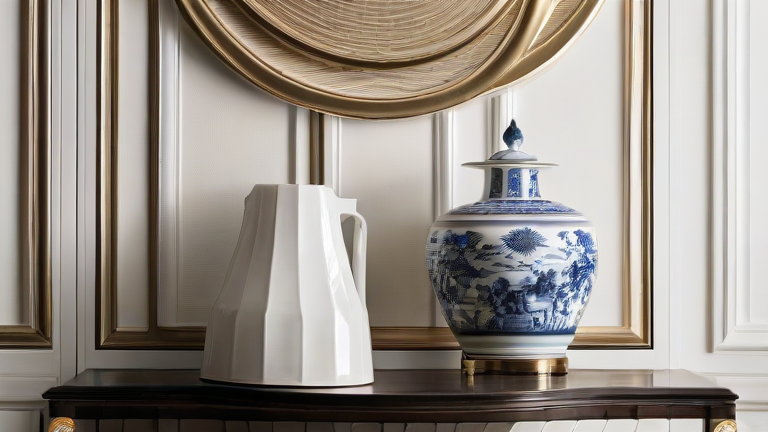
TL;DR: Porcelain decor is the quiet luxury of home design—durable, versatile, and endlessly adaptable to both minimalist and maximalist interiors. By blending traditional craftsmanship with modern glazing technology, porcelain pieces can anchor a room’s aesthetic while appreciating in value, making them a smart investment for design-conscious homeowners.
Why Porcelain Is the New Neutral in Home Styling
The global decorative ceramics market is projected to grow at a 5.2% CAGR through 2030, with porcelain leading the segment due to its low porosity, chip resistance, and heat stability. Unlike trend-driven resin or plaster decor, porcelain offers a timeless material story that aligns with the “slow living” movement. Consumers are shifting from disposable accents to heirloom-quality objects—a shift that savvy retailers and interior designers are capitalizing on. Porcelain’s versatility spans from Japanese wabi-sabi-inspired vases to Italian baroque-style urns, allowing it to bridge cultural aesthetics without clashing with existing furniture.
If you want to dig deeper, check out our guide on Healthy Porcelain Home Decor: Safe, Non-Toxic, and Eco-Frien.
10 Timeless Porcelain Decor Ideas to Implement Now
1. Sculptural Centerpieces: Large, matte-glazed porcelain vessels in muted taupe or sage replace fresh flowers as standalone art. 2. Layered Table Settings: Mix hand-painted blue-and-white plates with solid cream dinnerware for depth. 3. Wall-Mounted Plaques: Porcelain tiles with embossed botanical motifs create a tactile gallery wall. 4. Ambient Lighting Bases: Translucent porcelain lampshades diffuse warm, cozy light. 5. Bathroom Accents: Porcelain soap dishes and toothbrush holders in ribbed textures add spa-like calm. 6. Kitchen Canisters: Airtight, glazed porcelain jars for coffee or flour combine function with rustic elegance. 7. Garden Urns: Weatherproof, frost-resistant urns for outdoor entryways. 8. Bookend Pairs: Geometric or animal-shaped porcelain bookends anchor home libraries. 9. Curated Shelf Vignettes: Cluster three to five small porcelain objects in varying heights and finishes—from glossy white to crackle glaze. 10. Decorative Trays: Porcelain catch-alls for keys or jewelry, featuring hand-painted gold or cobalt rims.
Market Analysis & Strategy Insights
Premium porcelain decor commands a 30–50% price premium over stoneware, yet buyers under 40 are willing to pay for “imperfect perfection”—organic shapes and reactive glazes that make each piece unique. For brands, the winning strategy is storytelling: highlight the kiln temperature, the artisan’s origin, or the specific clay blend. Case study: Danish brand “København Keramik” increased online conversion by 22% after launching a “maker’s mark” program, where each vase includes a QR code linking to the potter’s video. Another example: U.S. retailer “Hearth & Halo” used porcelain decor as a loss leader in subscription boxes, then upsold matching serving pieces—boosting repeat purchase rate by 18%.
Retailers should also note that porcelain’s durability reduces return rates (under 3% versus 8% for glass decor). For interior designers, porcelain’s weight adds perceived stability to styled spaces, making it a favorite for staging luxury listings. Position porcelain as an “anti-disposable” purchase—one that survives moves, redesigns, and daily use.
FAQ
Q: How do I clean porcelain decor without damaging the glaze?
A: Use a soft microfiber cloth with lukewarm water and mild dish soap. Avoid abrasive scouring pads or bleach—they can dull the glaze. For intricate crevices, use a soft-bristled toothbrush, then rinse and dry immediately.
Q: Can porcelain decor be used outdoors year-round?
A: Yes, if the porcelain is fully vitrified (fired at high temperatures) and