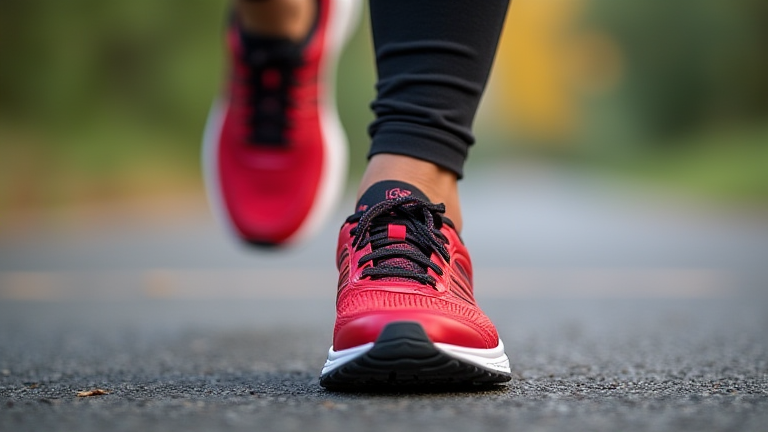
How to Choose the Right Running Shoe for Flat Feet
TL;DR: Select a running shoe with a wide toe box and firm medial support to accommodate the low arches of flat feet. Prioritize models with a stable base and cushioning that prevents overpronation without feeling restrictive.
Choosing footwear when you have flat feet is often less about aesthetic appeal and more about structural integrity and long-term joint health. Many runners with pronation issues struggle to find shoes that offer the necessary stability without sacrificing comfort. The market is flooded with options, but not all claim “stability” in the way that actually benefits the biomechanics of a flat foot. This guide breaks down the essential features you need to look for, compares popular approaches, and helps you make an informed decision that protects your knees and hips.
If you want to dig deeper, check out our guide on Top 10 Porcelain Home Decor Ideas for Elegant Interiors.
Essential Feature Highlights
When scanning for the right shoe, specific engineering elements matter more than brand prestige. First, look for a wide toe box. Flat feet often spread out during the stance phase of running, and a cramped toe area can cause blisters and restrict natural toe splay. A roomy forefoot allows the foot to land safely, reducing stress on the metatarsals. Second, examine the midsole. You need a firm medial post or a dual-density foam structure. This provides the counter-pressure necessary to slow down the inward rolling of the foot. Avoid overly soft, neutral foams that allow the arch to collapse completely. Third, consider the outsole. A wider base enhances stability by lowering the center of gravity. Look for rubber compounds that offer good traction, as a wider base can sometimes feel less agile on uneven terrain. Finally, check the heel counter. A sturdy heel cup keeps the rearfoot aligned, preventing the heel bone from drifting inward, which is a common issue for pronators.
Comparing Stability Approaches
There are two main categories of shoes suitable for flat feet: motion control and stability. Motion control shoes are built with the most aggressive support systems, featuring large medial posts and rigid shanks. These are ideal for runners who overpronate significantly and have a history of shin splints or plantar fasciitis. However, they are heavier and can feel stiff for daily miles. Stability shoes offer a middle ground. They use lighter support elements, such as softer medial foam or subtle geometry changes in the upper, to guide the foot without restricting it entirely. For many flat-footed runners, especially those with a mild to moderate arch, stability shoes provide the best balance of comfort and correction. If you are unsure which category you fall into, a gait analysis at a local running store is invaluable. It will show you the exact degree of pronation, helping you decide if you need the heavy-duty motion control or if a lighter stability model will suffice.
Call to Action
Do not wait for pain to dictate your shopping list. Proactive shoe selection is the easiest way to prevent injury. Visit a specialty running store this week for a professional gait analysis. Bring your current, most worn pair of shoes to show the staff how your foot moves and where the wear patterns occur. Once you have identified the specific type of support you need, try on at least three different models to find the best fit. Your feet will thank you for the investment in proper support. Start your search today and protect your stride for the long haul.
FAQ
Q: Do I need custom orthotics if I have flat feet?
A: Not necessarily. Many modern running shoes have built-in support that mimics the effect of over-the-counter orthotics. Try the shoe first, and only consider custom insoles if you still experience pain or discomfort.
Q: How often should I replace flat-foot running shoes?
A: You should replace them every 300 to 500 miles. Flat feet often wear down the medial support structure faster due to the constant inward pressure, so inspect the midsole for compression regularly.
Q: Can I use flat-foot shoes for walking or only running?
A:
Leave a Reply