TL;DR: Timeless porcelain decor bridges the gap between functional minimalism and artistic heritage, making it the perfect anchor for modern, travel-inspired interiors. By choosing sculptural vases, hand-painted dinnerware, and textured tiles, you can infuse your home with a sense of place without sacrificing contemporary clean lines.
The Art of the Slow Home: Why Porcelain Belongs in Modern Living
In an era of fast furniture and disposable trends, porcelain offers a quiet rebellion. Unlike plastic or resin, porcelain is fired at high temperatures, making it durable, non-porous, and inherently timeless. But beyond its physical resilience, porcelain carries a cultural passport. From the blue-and-white ceramics of Jingdezhen to the delicate floral patterns of Delft, each piece tells a story of trade routes, artisan hands, and centuries of refinement. For the modern traveler, integrating porcelain into your home is not about decoration—it’s about curating a personal museum of memories. A single hand-thrown bowl from a Portuguese atelier can evoke the scent of Atlantic salt, while a minimalist matte-white vase from a Japanese kiln whispers the discipline of wabi-sabi.
If you want to dig deeper, check out our guide on 5 Porcelain Home Decor Trends Transforming Modern Interiors.
Curating with Intention: Porcelain as a Travel Journal
Start by treating your shelves and tabletops as a gallery of your journeys. Instead of buying generic souvenirs, seek out local porcelain artisans when you travel—a small teapot from a Moroccan souk, a set of espresso cups from a Sicilian ceramics workshop. At home, group these pieces by color or silhouette, not by origin, to create a cohesive, modern aesthetic. The key is restraint: allow each piece breathing room. A single, oversized porcelain bowl filled with seasonal fruit becomes a sculptural centerpiece, while a trio of small vases in varying heights—each holding a single stem—adds rhythm to a mantel. For dining, mix a modern porcelain dinner service with heirloom pieces; the contrast between glossy white and rustic crackle glaze creates an effortless, lived-in elegance that feels both global and grounded.
Texture and Light: The Sensory Side of Porcelain
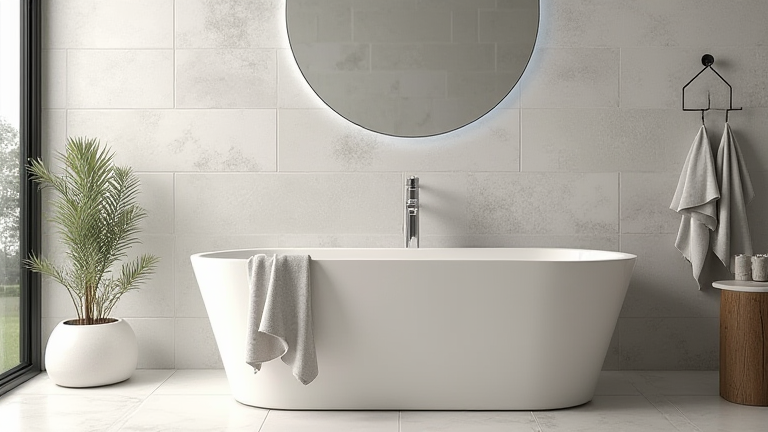
Modern lifestyles crave comfort, and porcelain delivers through tactile contrast. Use unglazed, matte porcelain tiles as a backsplash in the kitchen—their subtle, stone-like texture catches morning light differently than glossy surfaces, adding depth without visual noise. In the bathroom, a porcelain vessel sink with a hand-painted rim turns a daily ritual into a moment of appreciation. For the living room, consider a large, floor-standing porcelain urn as a standalone art object; its cool, smooth surface contrasts beautifully with wool throws and linen sofas. Don’t forget the power of negative space: place a single, small porcelain dish on a coffee table to hold your keys or rings. This tiny, deliberate act of beauty reminds you to slow down—a mindfulness practice that aligns perfectly with the slow-living movement.
Personal Growth Through Imperfection
Porcelain also teaches us about kintsugi—the Japanese art of repairing broken pottery with gold. In a culture obsessed with perfection, embracing a visibly mended porcelain plate or cup is a radical act of self-acceptance. Display a repaired piece prominently; it serves as a daily metaphor for resilience and beauty in imperfection. You don’t need to break your own items—purchase a pre-repaired piece from an artisan or commission a local potter to repair a chipped heirloom. This transforms your home from a showroom into a sanctuary of personal growth, where every crack tells a story of recovery, not failure.
Practical Styling Tips for the Modern Home
To elevate your space without overwhelming it, follow these simple rules: limit porcelain accents to three zones per room (e.g., dining table, shelf, and entryway console). Mix high-gloss and matte finishes for visual interest. Use porcelain lighting—like a pendant shade or table lamp base—to diffuse warm, flattering light. And always prioritize function: a beautiful porcelain trivet under a hot pot, or a set of stackable ramekins for prepping ingredients, proves that timeless design can serve daily life. Remember, the goal is not
Leave a Reply