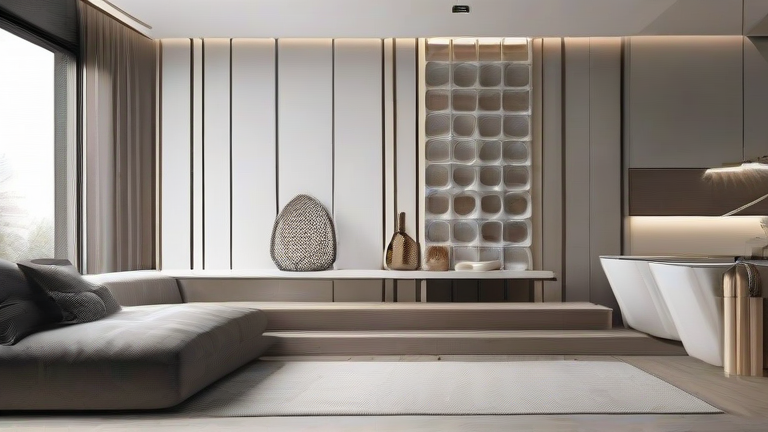
TL;DR: Porcelain home decor enhances well-being by introducing clean lines, natural light reflection, and non-toxic materials that reduce visual clutter and indoor chemical exposure. Integrating these durable, elegant pieces creates a calming environment that supports mental clarity and reduces daily stress levels.
The Science of Serenity in Design
Modern environmental psychology suggests that our physical surroundings significantly impact our cognitive function and emotional state. A chaotic or visually heavy environment can elevate cortisol levels, while organized, aesthetically pleasing spaces promote relaxation. Porcelain, with its smooth textures and often minimalist forms, fits perfectly into this paradigm. Unlike porous materials that can harbor dust mites or mold, glazed porcelain is non-porous and easy to clean. This hygiene factor is crucial for individuals with allergies or asthma, as it prevents the accumulation of allergens that commonly trigger respiratory issues and sleep disturbances. By choosing porcelain vases, bowls, or decorative tiles, you are making a proactive health decision that supports respiratory health and overall indoor air quality.
If you want to dig deeper, check out our guide on Handmade Porcelain Home Decor: Elegant Pieces for Your Space.
Light, Color, and Mood Regulation
The glossy finish of high-quality porcelain reflects ambient light, which is a subtle but powerful tool for regulating circadian rhythms and mood. Dim, shadowy corners can contribute to feelings of lethargy or seasonal affective disorder. Strategically placing white or light-colored porcelain decor can help bounce natural light deeper into rooms, creating a brighter, more open atmosphere. Research indicates that increased exposure to natural light during the day helps synchronize the body’s internal clock, leading to better sleep quality at night. Furthermore, porcelain is often produced in soft, pastel, or neutral tones. These colors are psychologically associated with calmness and stability, unlike high-saturation colors that may induce overstimulation. Using porcelain pieces as focal points in living areas or bedrooms can anchor the room’s aesthetic in tranquility, providing a visual rest for the eyes in a world saturated with digital screens and intense colors.
Practical Lifestyle Tips for Integration
To maximize the wellness benefits of porcelain decor, consider the principle of “intentional placement.” Avoid overcrowding shelves; instead, use the rule of three to group items asymmetrically, which feels natural and unforced to the human eye. This reduces cognitive load associated with visual processing. When selecting pieces, prioritize local artisans or brands that use lead-free glazes and sustainable firing processes. Ensuring your decor is free from heavy metals protects you from subtle, long-term toxin exposure. Additionally, engage in the tactile experience of porcelain. The cool, smooth surface offers a grounding sensation when touched. Incorporating a porcelain teacup or bowl into your morning or evening ritual can act as a mindfulness anchor, slowing down your pace and encouraging presence. Finally, maintain the luster of your porcelain by wiping it with a dry, soft cloth. The act of caring for these delicate items can be a meditative practice, fostering a sense of stewardship and connection to your home environment. By treating your living space as a sanctuary supported by safe, beautiful materials, you cultivate a daily routine that prioritizes both aesthetic pleasure and physiological health.
FAQ
Q: Is porcelain safe for households with children and pets?
A: Yes, provided you choose pieces with lead-free glazes and secure them properly. Porcelain is non-toxic and easy to sanitize, making it safer than porous alternatives, though you should still avoid placing fragile items within easy reach of toddlers to prevent breakage.
Q: How does porcelain affect indoor humidity levels?
A: Porcelain itself does not significantly alter humidity, but its non-porous nature prevents it from absorbing moisture. This makes it a stable choice for high-humidity areas like bathrooms, where it resists mold growth better than wood or untreated stone.
Q: Can cleaning porcelain decor improve air quality?
A: Regularly dusting and wiping porcelain surfaces removes particulate matter that settles on them. Because porcelain does not trap dust within its structure, cleaning it is more effective at removing allergens compared to fabrics or porous ceramics, thereby contributing to cleaner indoor air.
Leave a Reply