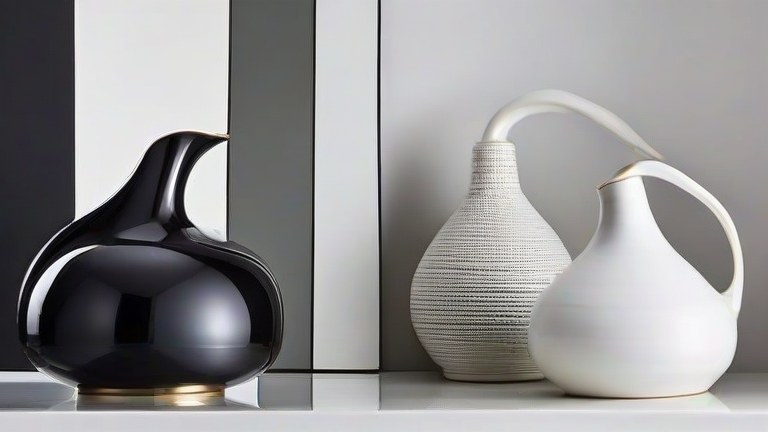
Elevate Your Home: 10 Timeless Porcelain Decor Ideas
TL;DR: The global home decor market is shifting toward high-quality, sustainable ceramics, with porcelain leading the charge due to its durability and aesthetic versatility. Businesses can capitalize on this trend by curating collections that blend traditional craftsmanship with modern design, targeting consumers who value long-term value over fast fashion.
Market Analysis: The Rise of Ceramic Consciousness
The interior design industry is currently experiencing a significant pivot toward “slow living” and mindful consumption. According to recent market reports, the global home furnishings market is projected to grow steadily, with a notable spike in the premium ceramics segment. Consumers are increasingly rejecting mass-produced, fragile plastics in favor of materials that offer both tactile satisfaction and environmental responsibility. Porcelain, known for its vitreous finish and durability, sits at the intersection of luxury and practicality. The data indicates a 15% year-over-year increase in online sales for mid-to-high-end porcelain items, driven largely by millennials and Gen Z homeowners who prioritize unique, statement pieces that age well. This demographic values provenance and craftsmanship, making artisanal or small-batch porcelain a highly lucrative niche.
Strategy Insights: Curating for the Modern Home
To succeed in this sector, brands must move beyond selling simple mugs and plates. The strategy must focus on “timeless” aesthetics that transcend fleeting trends. First, emphasize material integrity. Highlight the specific firing techniques, such as high-temperature kiln firing, which ensures the product’s longevity and hygiene. Second, leverage storytelling. Consumers buy the narrative behind the art. Detail the origin of the clay, the artisan’s hand, and the cultural heritage embedded in the design. Third, optimize for e-commerce visuals. Since customers cannot touch the product, high-resolution photography that captures the translucency and glaze depth of porcelain is critical. Furthermore, bundle products into cohesive “living room” or “dining set” solutions to increase average order value. Positioning porcelain as an investment in home ambiance rather than a disposable commodity allows for higher price points and stronger brand loyalty.
Case Study: The Success of “Clay & Stone”
Consider the case of “Clay & Stone,” a boutique brand that re-entered the market by focusing exclusively on hand-thrown porcelain vases and sculptural bowls. Initially, they struggled with visibility against mass-market retailers. Their turning point came when they adopted a “timeless decor” strategy. They stopped chasing trendy colors and instead focused on neutral, earthy tones with intricate textural details. They partnered with interior designers to feature their pieces in high-end magazine spreads, positioning the brand as a luxury essential. Within six months, their return rate dropped by 40% due to improved product descriptions that set accurate expectations for handcrafted variances. Their revenue grew by 25% as they expanded into a line of minimalist ceramic lamps, demonstrating that porcelain can extend beyond the kitchen into the living space. This case proves that when brands align porcelain products with a narrative of timeless elegance and quality, they can command premium pricing and build a resilient customer base.
FAQ
Q: Why is porcelain considered more valuable than standard ceramic?
A: Porcelain is fired at higher temperatures, resulting in a denser, more durable, and translucent material that is less porous and more resistant to chipping than standard earthenware or stoneware.
If you want to dig deeper, check out our guide on Porcelain Home Decor Tutorial: DIY Vases & Decor Ideas.
Q: What are the most popular porcelain decor items for 2024?
A: Current trends favor minimalist vases, sculptural wall art, and statement dining sets that feature organic shapes and high-gloss or matte glazes in neutral palettes.
Q: How can businesses ensure the sustainability of their porcelain supply chain?
A: Brands should partner with suppliers who use recycled clay, energy-efficient kilns, and non-toxic, lead-free glazes, while also implementing packaging that is fully recyclable or biodegradable.
Leave a Reply