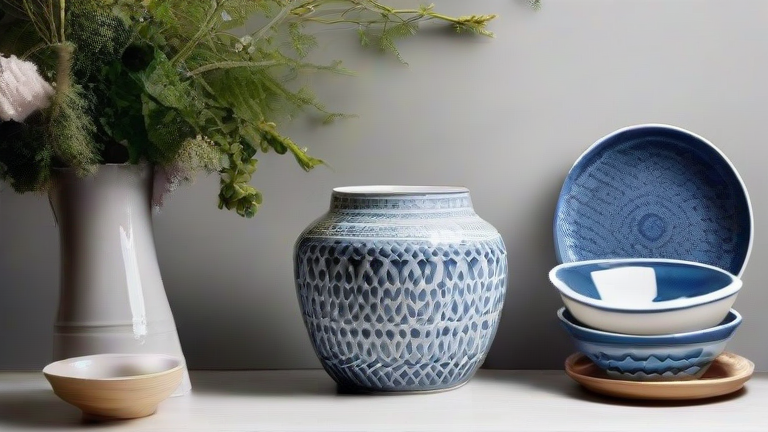
TL;DR: This guide teaches you how to select, prepare, and arrange porcelain decor pieces—from vases to figurines—so they look curated, not cluttered. You’ll learn the essential steps for cleaning, styling, and maintaining porcelain for a lasting, elegant home display.
Porcelain Home Decor Tutorial: Step-by-Step Guide
Step 1: Choose a Cohesive Palette and Theme.
Porcelain works best when grouped by color story or motif. Decide between classic blue-and-white, celadon green, or blush pink with gold accents. Stick to one or two complementary colors across all pieces. For themes, consider botanical (floral patterns), geometric (Art Deco lines), or minimalist (solid white with textured glaze). Mixing too many patterns creates visual chaos.
If you want to dig deeper, check out our guide on Why Apple Silicon Macs Are Finally Worth It Over Intel.
Step 2: Clean and Inspect Every Piece.
Dust porcelain with a soft, dry microfiber cloth. For stubborn grime, use lukewarm water and a drop of mild dish soap—never abrasive scrubbers. Rinse and dry immediately. Check for hairline cracks or chips. If a piece is damaged, use it only as a filler inside a larger bowl or behind taller objects, never as a focal point.
Step 3: Plan Your Display Surface.
Choose a mantel, shelf, sideboard, or coffee table. Avoid high-traffic areas where pieces might get knocked over. Measure the surface depth and height. For shelves, allow at least 2 inches of breathing room above each item. For tabletops, leave a clear border of 3–4 inches from the edge.
Step 4: Arrange by Height and Mass.
Place the tallest piece (e.g., a tall vase or candlestick) at the back or center. Then, add medium-height items (bowls, small teapots) in front or to the sides. Finish with small figurines or trinket dishes at the front. Use odd numbers—3, 5, or 7—for visual balance. For a symmetrical look, mirror items on both ends; for an organic feel, offset them.
Step 5: Add Non-Porcelain Anchors.
To prevent a “porcelain museum” effect, mix in natural textures: a wooden tray, a linen runner, or a dried eucalyptus sprig. Place a porcelain bowl on a stack of leather-bound books, or lean a small plate against a ceramic vase. These anchors soften the formality of porcelain.
Step 6: Rotate and Dust Weekly.
Porcelain is durable but not indestructible. Dust once a week with a feather duster or dry cloth. Rotate pieces monthly to prevent uneven fading from sunlight. If you store extras, wrap them in acid-free tissue paper and keep them in a padded box away from direct heat.
Pro Tips: Use museum putty on the base of tall vases to prevent tipping. Avoid placing porcelain near radiators or air vents—rapid temperature changes can cause crazing. For a dramatic evening look, install a warm LED spot on your display shelf.
FAQ
Q: How do I remove yellow stains from inside a porcelain vase?
A: Fill the vase with a 50/50 mix of warm water and white vinegar. Let it soak for 30 minutes, then swish with a soft bottle brush. Rinse thoroughly with clean water and dry upside down on a towel. Never use bleach, as it can damage the glaze.
Q: Can I mix porcelain with other materials like glass or metal?
A: Yes, but keep a 70/30 ratio—porcelain should dominate. Use glass for small, transparent accents (e.g., a tiny bud vase) and metal only for thin frames or stands. Avoid heavy brass or iron pieces, as they visually overpower delicate porcelain.
Q: Is it safe to display porcelain outdoors?
A: Only if the porcelain is
Leave a Reply