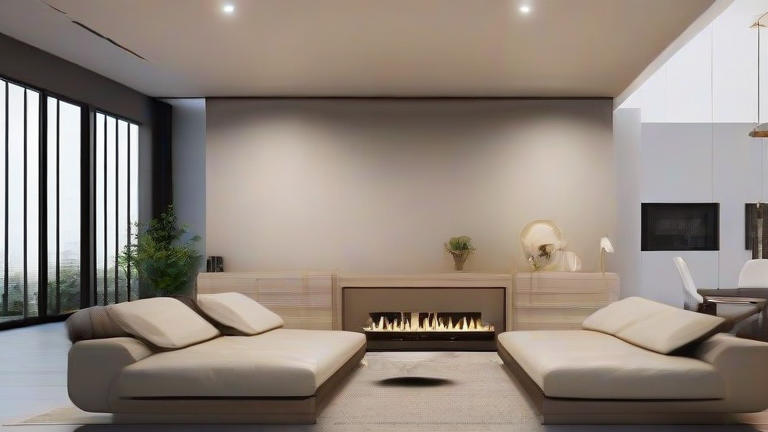
Top Tech in Porcelain Home Decor: Smart Lighting & Design
TL;DR: Modern porcelain decor integrates embedded LED micro-lights and IoT sensors to create ambient, app-controlled lighting systems directly within ceramic structures. This fusion of traditional craftsmanship and digital intelligence allows for dynamic, energy-efficient aesthetic customization without compromising material integrity.
The Convergence of Ceramic Craft and Digital Intelligence
The home decor industry is undergoing a significant transformation as manufacturers merge centuries-old porcelain techniques with cutting-edge electronics. Traditional porcelain vases, wall panels, and sculptural elements are no longer static objects. Instead, they are becoming interactive hubs within smart home ecosystems. The latest developments focus on embedding high-efficiency, flexible LED strips and micro-controllers directly into the porous structure of high-fired porcelain during the manufacturing process. This integration ensures that the lighting source is invisible to the naked eye, providing a seamless glow that emanates from within the material itself, rather than from external fixtures.
Key Specifications and Technical Features
The technical specifications of these smart porcelain pieces highlight a shift toward precision engineering. Modern units feature IP67-rated waterproofing, allowing porcelain elements to be used in humid environments like bathrooms or outdoor patios without risk of electrical short-circuiting. The embedded LEDs typically offer a color temperature range from 2700K to 6500K, with support for RGBW color mixing to achieve millions of hues. Connectivity is standard, with most devices supporting Wi-Fi, Bluetooth Mesh, and Matter protocol compatibility. This ensures seamless integration with major platforms like Amazon Alexa, Google Home, and Apple HomeKit. Furthermore, these pieces often include capacitive touch sensors or proximity sensors built into the porcelain surface, allowing users to adjust brightness or change color scenes with a simple tap or hand wave. The power consumption is remarkably low, averaging under 5 watts per unit, which translates to minimal energy costs over the product’s lifespan.
Industry Impact and Market Shifts
This technological shift is reshaping the interior design market by blurring the lines between functional decor and smart home infrastructure. For designers, porcelain smart decor offers a unique opportunity to create immersive lighting environments that are both artistic and practical. The industry impact is evident in rising demand for customizable, aesthetic-first smart devices. Consumers are moving away from bulky, obvious smart lights toward subtle, integrated solutions that enhance the visual appeal of a room while adding smart functionality. Manufacturers are also responding by offering modular systems, where multiple porcelain pieces can be synchronized to create coordinated lighting scenes across an entire room or house. This trend is driving innovation in materials science, as engineers work to improve the thermal management of electronics embedded within ceramic matrices, ensuring long-term reliability and safety. As a result, the value proposition of porcelain decor has increased, positioning it as a premium segment in the smart home market.
FAQ
Q: Are smart porcelain decor items safe to use in humid areas?
A: Yes, most high-end smart porcelain items feature IP67 waterproofing ratings, making them safe for bathrooms and covered outdoor patios.
If you want to dig deeper, check out our guide on 10 Best Air Fryer Toaster Ovens for Crispy Wings Without the.
Q: Can I control the lighting without a smartphone app?
A: Yes, many models include physical buttons, capacitive touch surfaces, or voice assistant compatibility for hands-free control.
Q: How difficult is it to install these smart porcelain pieces?
A: Installation is generally easy, as most units connect wirelessly to your home Wi-Fi network and do not require hardwiring.
Leave a Reply