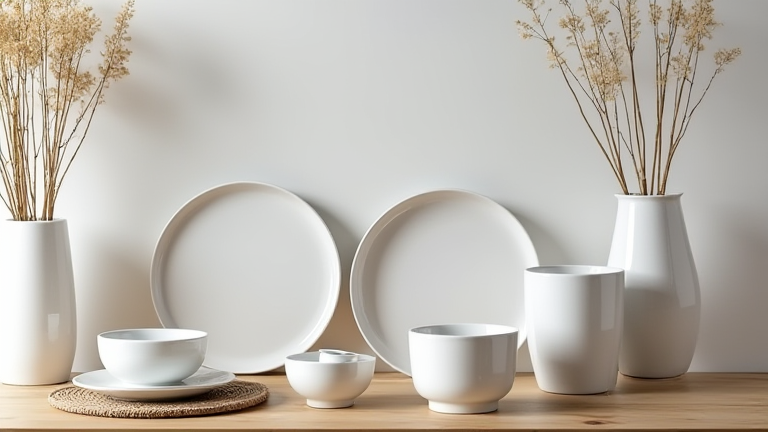
TL;DR: Styling porcelain home decor is about balancing delicate forms with bold placement, not hiding them in cabinets. Group pieces by color or silhouette, mix heights and textures, and let each item breathe against neutral backdrops for maximum impact.
Step 1: Edit Your Collection First
Before arranging, remove chipped, mismatched, or overly busy pieces. Porcelain works best when it feels curated, not cluttered. Keep 5–7 core items per room: vases, bowls, figurines, or decorative plates. Wash them gently with warm water and a soft cloth—never abrasive scrubbers—to restore their glaze’s luster.
If you want to dig deeper, check out our guide on Why the Apple Vision Pro Is the Next Big Leap in VR.
Step 2: Choose a Focal Point
Select one hero piece—a large ginger jar, an ornate urn, or a sculptural centerpiece. Place it at eye level on a mantel, console, or shelf. This anchor defines the entire vignette. Avoid placing it against busy wallpaper; a solid, matte wall (white, sage, or charcoal) makes the porcelain’s glossy finish pop.
Step 3: Build a Trio Rule Arrangement
For shelves and tables, group porcelain in odd numbers—three is ideal. Use varying heights: a tall vase, a medium bowl, and a small trinket dish. Place the tallest at the back or left, the shortest in front. Keep 2–3 inches of space between pieces so each silhouette reads clearly. If using multiple colors, stick to one dominant hue (e.g., blue-and-white) and one neutral accent.
Step 4: Mix Textures and Materials
Porcelain is smooth and cool, so contrast it with warm, rough, or organic elements. Pair a glossy white vase with a linen runner, a rattan tray, or a stack of leather-bound books. Add a single dried branch or eucalyptus sprig inside a tall vase—never overfill. This contrast prevents the decor from feeling museum-like.
Step 5: Use Plates as Wall Art
Hang decorative porcelain plates in a grid or a loose arc above a sideboard. Use plate hangers (adhesive hooks rated for weight). Space them 2–3 inches apart. Mix one large central plate with two smaller flanking ones. Ensure all patterns share a common background color—e.g., all white with blue floral motifs—for cohesion.
Step 6: Rotate Seasonally
Porcelain doesn’t expire, but styling does. In spring, swap dark urns for pastel teacups or egg-shaped vases. In winter, bring out deep cobalt or crackle-glaze pieces. Store off-season items in acid-free tissue paper inside a dry cabinet. Rotating keeps your space feeling fresh without buying new decor.
Step 7: Light It Deliberately
Use a small LED spot light or a table lamp with a warm bulb to cast a soft glow on your porcelain cluster. Angle the light from one side to create shadows that emphasize curves and glaze depth. Avoid direct overhead lighting, which flattens the texture.
FAQ
Q: Can I mix porcelain with other ceramics like stoneware or terracotta?
A: Yes, but keep porcelain as the majority (70%) and use the other ceramics as subtle accents. Match the color palette—e.g., cream porcelain with beige stoneware—to avoid visual chaos.
Q: How do I clean porcelain without damaging the glaze?
A: Dust weekly with a microfiber cloth. For smudges, use lukewarm water and a drop of mild dish soap, then dry immediately. Never soak porcelain or put it in a dishwasher, as hot water can craze the glaze.
Q: What’s the best place to display porcelain in a small apartment?
A: Use floating shelves in a hallway or above a toilet tank. A single small bowl on a coffee table or a tiny vase on a
Leave a Reply