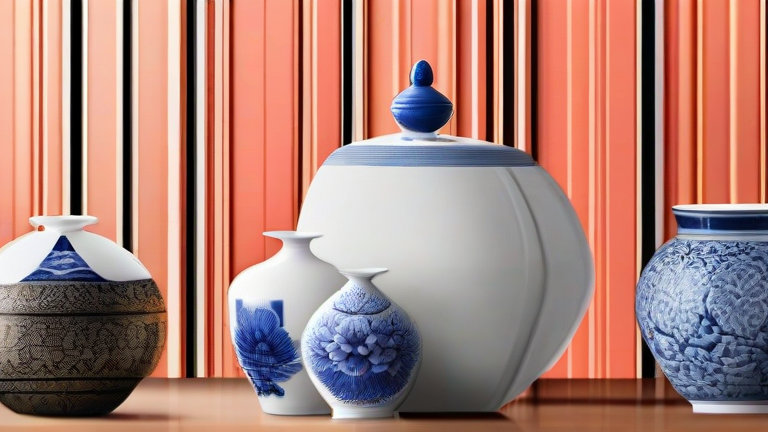
Porcelain Home Decor: A Complete Beginner’s Tutorial Guide
TL;DR: To incorporate porcelain into your home, select durable, high-quality pieces like vases or figurines that match your existing color palette. Place them strategically on shelves or tables, ensuring they are handled with care to prevent chipping or breakage.
Understanding Porcelain for Home Use
Porcelain is a type of ceramic material that is fired at very high temperatures, resulting in a product that is non-porous, white, and translucent. Unlike stoneware or earthenware, porcelain is denser and more durable, making it an excellent choice for long-term home decor. However, its beauty comes with a caveat: it is still brittle. Understanding the material’s properties is the first step in maintaining your collection. Beginners should look for pieces labeled as “fine porcelain” for the highest quality, which offers better resistance to thermal shock and physical impact than lower-grade alternatives.
If you want to dig deeper, check out our guide on Porcelain Home Decor: 7 Easy DIY Tutorial Ideas.
Step-by-Step Selection and Placement
Start by defining your aesthetic goal. Do you want minimalist white accents or colorful, painted designs? Visit local antique shops for unique vintage finds or specialty stores for modern artisan pieces. When selecting items, check the bottom of the piece for any hairline cracks. Tap the item gently; a clear, ringing sound indicates integrity, while a dull thud may signal internal damage. Once selected, plan your display. Porcelain works best in clusters. Group three items of varying heights on a console table to create visual interest. Avoid placing large, heavy pieces in high-traffic areas where they might be bumped. Instead, use them as focal points in living rooms or dining areas where they can be admired but are less likely to be knocked over.
Essential Care and Maintenance Tips
Proper care is crucial to extending the life of your porcelain decor. Always wash pieces by hand using warm water and mild dish soap. Avoid abrasive sponges or steel wool, which can scratch the glaze. If a piece has intricate gold or silver detailing, wipe it gently with a dry, soft cloth to prevent tarnish or damage. For cleaning stubborn stains, a paste of baking soda and water can be effective, but rinse thoroughly. Never microwave porcelain unless it is explicitly labeled microwave-safe, as trapped heat can cause sudden expansion and shattering. Store spare pieces in a padded closet or wrap them in acid-free tissue paper. If you must store them in a cabinet, ensure they are not stacked directly on top of one another. Use soft foam spacers to separate layers. Regular dusting with a microfiber cloth keeps the surface looking pristine without the risk of micro-abrasions caused by dry dust particles.
FAQ
Q: Is porcelain safe for children’s rooms?
A: It is generally not recommended due to the risk of breakage and sharp shards. If you must use it, place it on high, secure shelves out of reach.
Q: How do I fix a chipped piece?
A: You can use a specialized porcelain repair kit with epoxy and matching paint to fill the chip, though the repair will likely be visible upon close inspection.
Q: Can I paint my own porcelain decor?
A: Yes, you can use specialized ceramic paints that require firing in a kiln for permanence, or decoupage techniques for a simpler, non-permanent option.
Leave a Reply