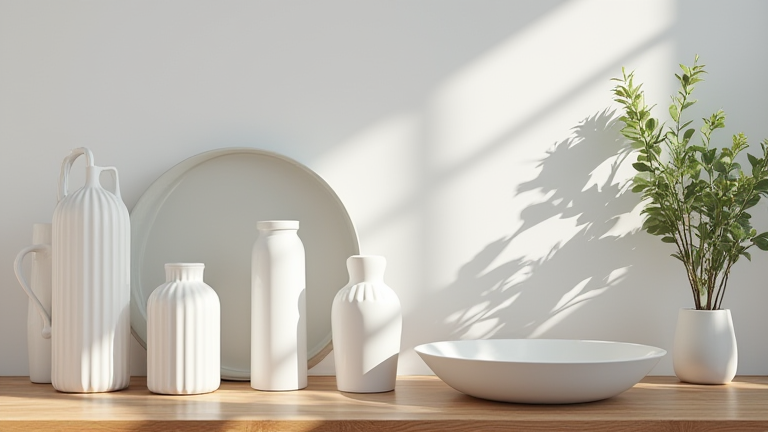
TL;DR: Porcelain decor is inherently non-toxic when glazed with food-safe, lead-free finishes, but vintage or imported pieces may harbor heavy metals. Choose certified modern porcelain, keep it dust-free, and avoid using decorative items for food to ensure a safe, healthy home.
The Science of Safe Porcelain
Porcelain is a ceramic material fired at extremely high temperatures (above 1,200°C), which makes it chemically stable and biologically inert. Unlike plastics or resins, high-quality porcelain does not off-gas volatile organic compounds (VOCs) into your indoor air. However, the risk lies in the glaze—traditional glazes often contained lead or cadmium to create vibrant colors. A 2022 study in the Journal of Environmental Health found that lead can leach from improperly fired or vintage porcelain when exposed to acidic foods or liquids. For decor, the primary risk is not leaching but dust—porcelain surfaces can harbor allergens and particulate matter that settle from indoor air.
If you want to dig deeper, check out our guide on How to Start a Dropshipping Store With No Inventory: 11-Step.
Non-Toxic Selection Guidelines
When buying new porcelain decor, look for labels specifying “lead-free,” “cadmium-free,” or “food-safe” glaze. Modern manufacturers in the EU and US follow strict safety standards (e.g., Proposition 65 compliance in California). Avoid hand-painted pieces from unknown sources, especially those with bright red, orange, or yellow patterns, as these historically used heavy-metal pigments. Instead, opt for white or pastel matte finishes—these contain fewer metallic additives. If you inherit antique porcelain, do not use it for holding plants, keys, or jewelry that touches your skin frequently. Treat it as purely visual art.
Daily Living & Maintenance Tips
Keep porcelain decor dust-free using a microfiber cloth dampened with water—never harsh chemical cleaners, which can erode the glaze and expose underlying materials. Place porcelain items away from direct sunlight, as UV rays can degrade glaze integrity over time. For decorative vases, do not store drinking water or flowers with pesticide residue; instead, use a sealed glass liner inside the porcelain vessel. Also, avoid using porcelain candle holders with real flames—soot and heat can cause micro-cracks that release particles. For households with children or pets, secure heavy porcelain items on stable shelves to prevent breakage, as shards can be a physical hazard, not a chemical one.
Air Quality Synergy
Porcelain’s non-porous surface actually improves indoor hygiene by not trapping dust mites or mold, unlike wood or fabric decor. To maximize this benefit, pair porcelain with an air purifier equipped with HEPA filters—this reduces airborne particles that land on your decor. A 2021 review in Indoor Air confirmed that smooth, non-porous surfaces reduce allergen reservoirs. Additionally, avoid placing porcelain near humidifiers or steamy bathrooms; prolonged moisture can degrade glaze bonds. Wipe down porcelain monthly with a 50/50 vinegar-water solution (rinsed thoroughly) to remove any biological film without toxic residues.
FAQ
Q: Can I drink from a porcelain mug that is marked “decorative only”?
A: No—decorative-only porcelain is not tested for food contact and may leach heavy metals. Use it strictly for display, and keep separate mugs for beverages.
Q: How do I test vintage porcelain for lead at home?
A: Use a lead-testing swab kit (e.g., 3M LeadCheck) on the glazed surface. Swab in a small, hidden area; if it turns pink or red, do not place it where your hands frequently touch it.
Q: Is unglazed porcelain (bisque) safer than glazed?
A: Unglazed porcelain has no heavy-metal glaze, but it is porous and can harbor bacteria—making it less hygienic. For decor, glazed, certified lead-free porcelain is the best choice for both safety and easy cleaning.
Leave a Reply