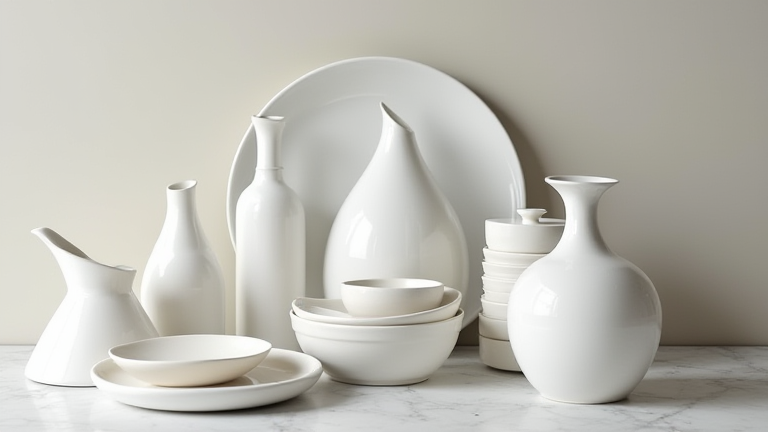
Healthy Porcelain Decor: Safe, Non-Toxic Home Accents
TL;DR: High-quality porcelain is an inert, non-porous material that does not leach heavy metals or volatile organic compounds when properly fired and glazed. Selecting lead-free, cadmium-free porcelain pieces ensures your home decor remains a chemically safe addition to your living environment.
When curating a home, many individuals overlook the chemical composition of decorative items. While vibrant glazes and intricate designs are aesthetically pleasing, the underlying material science matters for long-term health. Porcelain, distinct from standard ceramic, is fired at extremely high temperatures, typically exceeding 1,200 degrees Celsius. This intense heat vitrifies the clay body, creating a dense, glass-like structure that is impervious to moisture and chemical absorption. Unlike lower-quality ceramics that may contain porous clay bodies or unstable glazes, true porcelain acts as a physical barrier against environmental contaminants. This structural integrity means that the material does not harbor bacteria or mold, making it an excellent choice for kitchens, bathrooms, and living spaces where hygiene is paramount.
If you want to dig deeper, check out our guide on Top Porcelain Home Decor Trends for Modern Tech Lovers.
The Science of Material Safety
Research in materials science confirms that lead and cadmium, common heavy metals historically used in glaze stabilizers, can migrate into food or air if the glaze is improperly formulated or if the item is damaged. Modern health-conscious manufacturers adhere to strict regulatory standards, ensuring that glaze compositions are free from these toxic elements. By choosing porcelain that is certified lead-free and cadmium-free, you eliminate the risk of chronic exposure. Furthermore, porcelain’s non-porous nature prevents the accumulation of dust mites and allergens, which is a significant advantage for individuals with respiratory sensitivities or allergies. The smooth surface allows for easy cleaning with mild, eco-friendly detergents, reducing the need for harsh chemical cleaners that can contribute to indoor air pollution.
Lifestyle Tips for Safe Decor
To maximize the health benefits of porcelain accents, maintain them with care. Avoid using abrasive scrubbers that can scratch the glaze, as micro-abrasions can compromise the surface integrity over time. When placing porcelain items in direct sunlight, be mindful of thermal shock; while porcelain is heat-resistant, extreme temperature fluctuations can cause crazing or cracking. Store delicate pieces in padded containers to prevent physical damage. Additionally, prioritize purchasing from reputable artisans or brands that provide transparency regarding their material sourcing and firing processes. This due diligence ensures that your decorative investments are not only beautiful but also aligned with your commitment to a healthy, non-toxic living space.
FAQ
Q: Is porcelain safer than standard ceramic for home use?
A: Yes, high-fire porcelain is generally safer because it is denser and more vitrified, reducing porosity and the potential for leaching compared to low-fire ceramics.
Q: How can I verify if a porcelain item is non-toxic?
A: Look for explicit labels stating the product is lead-free and cadmium-free, and prioritize items from manufacturers who comply with FDA or international safety standards.
Q: Does the color of the glaze affect safety?
A: Color alone does not determine safety, but historically some bright colors relied on metal oxides; ensure the manufacturer uses modern, stable, non-toxic pigments.
Leave a Reply