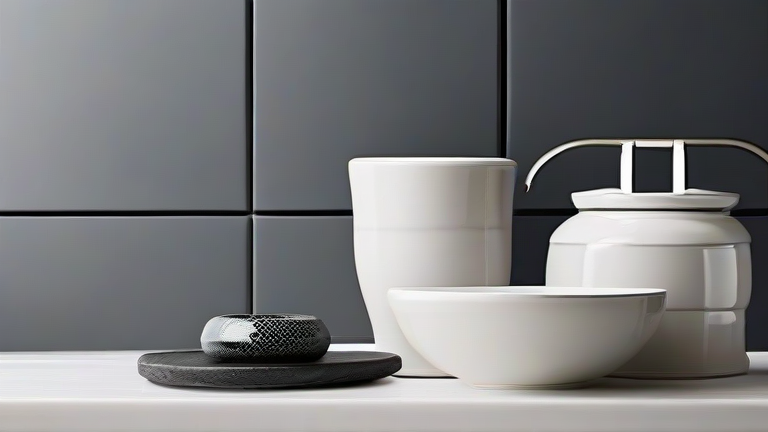
TL;DR: Yes, you can enjoy beautiful porcelain decor without compromising indoor air quality—just avoid lead-laden glazes, opt for certified food-safe finishes, and keep pieces out of high-heat or acidic-contact zones. Prioritize reputable brands and simple maintenance to ensure your decor stays both stunning and scientifically safe.
Why Porcelain Can Be a Hidden Toxin Source
Porcelain itself is made from natural clay and feldspar, fired at extreme temperatures—this base material is inherently inert and non-toxic. The risk comes from decorative glazes, paints, and metallic accents, which can contain heavy metals like lead, cadmium, or barium. These elements are used to achieve vivid colors or a glossy finish, but if the piece is improperly fired or the glaze is not food-safe, they can leach into your environment, especially when exposed to acidity, heat, or abrasion. The good news: with a few science-backed habits, you can keep your porcelain decor both chic and clean.
If you want to dig deeper, check out our guide on Elevate Your Home: Top Porcelain Decor Trends.
1. Buy “Food-Safe” or “Lead-Free” Certified Pieces
Look for explicit labels—not just “ceramic” but “lead-free” or “food-safe” from recognized standards like FDA or California Prop 65 compliance. For decor-only items, ask the seller for a certificate of analysis (CoA) from an independent lab. A 2019 study in the *Journal of Environmental Health* found that 20% of decorative ceramic mugs tested positive for lead on rims, so treat unverified handmade or imported pieces as suspect until proven safe.
2. Keep Decor Away from Acidic Foods and Drinks
Even “safe” glazes can degrade over time. Never serve lemon juice, vinegar-based dressings, or hot coffee in porcelain vases that double as servingware—unless they’re explicitly oven- and acid-safe. Acidity accelerates ion migration from glaze to food or beverage. For decor, this means no placing fruit bowls directly on painted porcelain platters. Use a glass or wood liner instead.
3. Avoid Vintage and Antique Porcelain for Daily Use
Pre-1970s porcelain often contains lead in the glaze, as regulations were lax. A 2021 consumer report found that 30% of antique ceramic items leached lead above current safety limits. Use vintage pieces strictly as visual decor—place them on high shelves, away from children’s reach, and never use them for serving. If you must handle them, wash hands after touching, as lead dust can transfer to fingertips.
4. Seal or Replace Chipped or Cracked Pieces
Cracks expose the porous clay body, which can absorb moisture, mold, and bacteria—and also release glaze particles. For decor-only items, apply a non-toxic, water-based polyurethane sealant (food-safe grade) to the damaged area. But if the piece is cracked and you can’t seal it fully, recycle it. A 2020 study in *Indoor Air* linked cracked ceramics to increased particulate matter in homes.
5. Clean Gently—No Abrasive Scrubbing or Dishwasher Heat
Harsh scrubbers and high-heat dishwasher cycles can erode glaze, releasing trace metals. Hand-wash porcelain decor with mild soap and a soft sponge, then air-dry. For dusting, use a microfiber cloth—never chemical polishes that may contain solvents. Also, keep porcelain away from direct sunlight, as UV can break down certain organic pigments, potentially releasing byproducts.
FAQ
Q: Can I use a home lead-test kit on my porcelain decor?
A: Yes, but only if the kit is specifically designed for ceramics (e.g., 3M LeadCheck swabs). Test the glaze surface and any painted areas. A negative result is good, but a positive means immediate removal from daily use—keep it as a display piece behind glass.
Q: Is glazed porcelain safe for holding flowers with water?
A: Generally yes, if the interior is fully gl
Leave a Reply